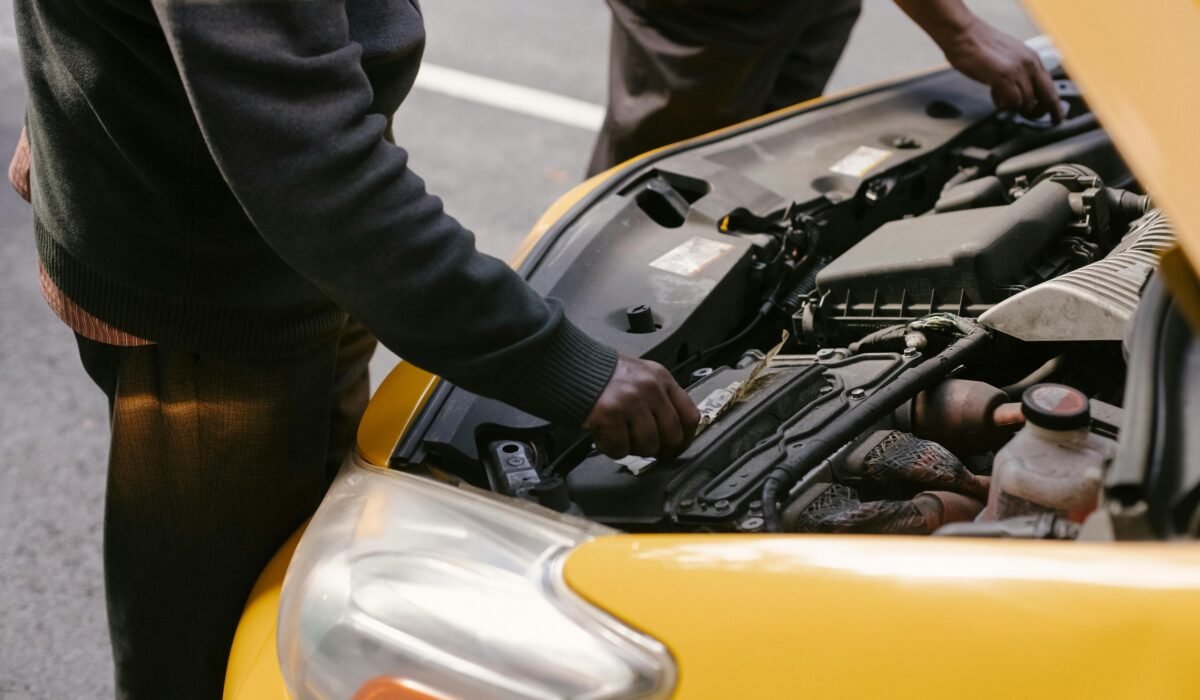
Are you tired of unexpected vehicle breakdowns, costly repairs, and unpredictable fleet downtime? The good news is that a revolutionary approach is transforming how we keep cars and trucks running smoothly: AI for automotive predictive maintenance. This isn’t just a futuristic concept; it’s a present-day solution poised to redefine vehicle reliability and safety for everyone, from individual drivers to massive logistics operations.
What is AI Predictive Maintenance in Automotive?
At its core, AI predictive maintenance in automotive is about using artificial intelligence and advanced analytics to foresee when a vehicle component might fail, allowing for proactive intervention. Unlike traditional, scheduled maintenance, which operates on fixed intervals regardless of actual component wear, or reactive maintenance, which waits for a breakdown, predictive maintenance leverages data to act before problems arise.
It shifts the paradigm from fixing problems after they occur to preventing them before they start. This involves continuously monitoring the condition of vehicle systems and components using real-time data, then applying powerful algorithms to identify patterns that signal impending issues. The goal is to maximize vehicle uptime and operational efficiency.
Think of it as your car gaining the ability to tell you, “Hey, my brake pads will need replacing in about 2,000 miles, not just at the next 10,000-mile service.” This proactive maintenance strategy is a game-changer for individual car owners and large-scale fleet operations alike.
Why AI for Automotive Predictive Maintenance? Key Benefits
The integration of AI into automotive maintenance isn’t just an upgrade; it’s a transformation yielding significant advantages. The primary driver is the ability to drastically improve vehicle reliability solutions by moving beyond guesswork.
Enhanced Operational Efficiency
One of the most compelling benefits is the dramatic reduction in unexpected events. Predictive maintenance can lead to a 30-50% reduction in unplanned downtime, according to McKinsey, and some reports even suggest up to a 70% reduction in breakdowns, as highlighted by Deloitte. For businesses running vehicle fleets, this translates directly to more operational hours and fewer service disruptions.
What most people miss is that this isn’t just about saving time; it’s about optimizing resource allocation. Fewer unexpected repairs mean technicians can focus on scheduled, more efficient tasks, improving overall shop productivity. This is crucial for connected car maintenance, where seamless operation is expected.
Significant Cost Savings
Beyond downtime, AI-driven predictive maintenance offers substantial cost benefits. Businesses using these systems can see 10-40% lower maintenance costs. Jack Turner, Tech.co editor, notes that “Reclaiming 8.5 hours a week is handing fleet managers back an entire workday,” attributing to savings of up to $8,285 annually in technician costs for fleet companies. This is particularly impactful for fleet maintenance AI, where margins are often tight.
These savings come from several angles: avoiding catastrophic failures that require expensive emergency repairs, optimizing parts inventory by predicting demand, and extending the remaining useful life of components. This makes automotive industry AI a powerful tool for financial planning.
- Reduced Breakdowns: Preventative action minimizes costly emergency repairs.
- Optimized Parts Inventory: Predict demand for components, reducing carrying costs.
- Extended Asset Lifespan: Proactive care keeps vehicles on the road longer.
- Lower Labor Costs: Fewer urgent repairs mean more efficient scheduling for technicians.
How AI & Machine Learning Power Automotive Reliability
The magic behind AI for automotive predictive maintenance lies in its ability to process vast amounts of data and identify subtle indicators of future problems that human analysis might miss. This is where machine learning automotive solutions truly shine.
Data Collection & Analysis
Modern vehicles are essentially computers on wheels, generating massive amounts of data. This includes everything from engine temperature and oil pressure to tire wear and braking patterns. Sensor data analysis automotive is fundamental, collecting information from hundreds of onboard sensors. Additionally, telematics data analysis, which captures location, speed, harsh braking, and other operational parameters, provides crucial context, especially for fleet vehicles.
This rich stream of information is continuously fed into AI systems. What most people miss is that the quality and consistency of this data are paramount. Challenges include standardizing data formats across different vehicle models and manufacturers, and ensuring robust cybersecurity measures to protect sensitive operational data.
Machine Learning Algorithms in Action
Once collected, this data is crunched by sophisticated machine learning algorithms. These aren’t just simple rules-based systems; they are designed to learn from historical data, including past failures and successful maintenance interventions. Here’s a look at some common techniques:
- Anomaly Detection: Algorithms identify deviations from normal operating parameters. For example, a slight, consistent increase in vibration might signal a bearing failure long before it becomes critical.
- Regression Analysis: Used to predict continuous values, such as the remaining useful life prediction (RUL) of a component. This helps schedule maintenance precisely when needed, not too early or too late.
- Classification Algorithms: These can categorize potential issues, determining if a specific data pattern indicates, say, a transmission problem versus an engine issue.
- Deep Learning: For highly complex pattern recognition, deep learning models (a subset of machine learning) can process unstructured data like audio signals from an engine or visual inspections, providing even more nuanced insights into condition monitoring vehicles.
These algorithms allow for continuous vehicle health monitoring, enabling systems to flag potential issues with increasing accuracy as they learn from more data. This capability is also vital for autonomous vehicle lidar radar systems, where sensor integrity is critical.
Real-World Applications: Companies Leading the Way
The adoption of automotive AI solutions for predictive maintenance is rapidly expanding, with major players in the industry demonstrating tangible results. A 2025 study revealed that while over 80% of global automakers have incorporated AI into strategic roadmaps, 31% have moved beyond pilots into fully deployed initiatives.
“AI is helping automakers and suppliers deliver vehicles and services that are safer, more efficient, and ready to meet evolving consumer expectations.” – S&P Global Mobility
Here are just a few examples of companies leading the charge:
- Toyota Motor Corporation: Their “Toyota Smarter Plant Solution” uses AI to analyze production line sensor data and maintenance records, leading to a 30% reduction in unplanned downtime and a 25% increase in overall equipment effectiveness.
- Volvo Trucks: By integrating AI-based predictive maintenance into its Connected Vehicle Platform, Volvo has reportedly reduced unplanned stops by up to 25%, proactively scheduling maintenance based on telematics and sensor data.
- General Motors (GM): GM’s AI systems predict over 70% of equipment failures at least 24 hours in advance in their production plants, achieving significant reductions in unplanned downtime. They also use AI in 90% of manufacturing plants for defect detection, demonstrating AI’s broad impact in AI in car manufacturing.
- Tesla: Tesla employs AI to monitor critical vehicle components like battery health and motor performance in real-time. This proactive approach allows for early detection of potential issues, with their California factory seeing over 30% reduction in factory downtime by 2025.
- BMW: Utilizing predictive AI maintenance at their Regensburg plant has reduced assembly line hold-ups by over 500 minutes annually by 2025. BMW also uses digital twins and real-time data flows to optimize supply chains and predict maintenance needs.
- Ford Motor Company: Ford’s in-house AI system, AiTriz, uses cameras and proprietary AI software to scan for defects on the assembly line. Their AI-powered maintenance systems also forecast battery failures with 22% accuracy up to 10 days in advance, preventing over 122,000 hours of vehicle downtime and saving $7 million.
Overcoming Implementation Challenges in Automotive AI PM
While the benefits are clear, deploying AI for automotive predictive maintenance isn’t without its hurdles. Many organizations face significant challenges, especially when moving beyond pilot programs.
Technical Hurdles
One major challenge is integrating with legacy systems. Many existing automotive IT infrastructures weren’t built with real-time data streaming or AI analytics in mind. This often requires complex middleware or significant system overhauls. Another critical concern is data standardization across different vehicle models and manufacturers, as inconsistent data formats can hinder effective analysis.
Then there’s the issue of cybersecurity. With vast amounts of vehicle and operational data being transmitted and analyzed, ensuring the security and privacy of this information is paramount. Any breach could have severe consequences for reliability and trust.
Organizational & Data Challenges
Beyond technical aspects, there’s the human element. A significant gap exists in the availability of specialized AI talent—data scientists, machine learning engineers, and AI ethicists—who understand both AI and the nuances of automotive engineering. This skill gap can slow adoption.
Moreover, the sheer volume and velocity of data generated require robust data governance strategies. Ensuring data quality, managing storage, and establishing clear data ownership are crucial for the long-term success of any AI predictive maintenance initiative. Practical strategies include phased implementations, leveraging cloud-based solutions for scalability, and investing in training programs for existing staff.
The Role of AI in Enhancing Vehicle Safety
Beyond reliability, AI plays a pivotal role in elevating vehicle safety. By predicting component failures before they become critical, AI systems can prevent dangerous situations on the road. For instance, anticipating a brake system malfunction or a tire blowout can literally save lives.
AI’s ability to provide continuous vehicle health monitoring means that potential safety risks are identified and addressed proactively. This is particularly vital as vehicles become more complex and increasingly connected. Oliver Blume, CEO of Volkswagen Group, emphasized this, stating, “We want to offer our customers genuine added value with artificial intelligence. We aim to link external digital ecosystems with the vehicle, creating an even better product experience.”
For systems like AI in self-driving cars, where human intervention is minimal, the predictive capabilities of AI become even more critical. Ensuring every sensor, actuator, and control system is functioning optimally is a prerequisite for safe autonomous operation.
Future & Ethical Considerations of AI in Automotive Maintenance
The future of AI for automotive predictive maintenance is incredibly promising, with market projections showing significant growth. The global AI in automotive market, valued at USD 4.8 billion in 2024, is estimated to reach USD 186.4 billion by 2034, growing at a CAGR of 42.8%. This growth will be fueled by advancements in AI capabilities and increasing integration into vehicle design.
However, as AI becomes more ingrained in safety-critical systems, ethical considerations come to the forefront. Data privacy is a major concern, as AI systems collect vast amounts of personal and operational data. Who owns this data? How is it protected? Clear regulations and transparent practices will be essential.
Another crucial aspect is algorithmic bias. If the data used to train AI models is biased (e.g., primarily from specific demographics or vehicle types), the predictive outcomes might not be fair or accurate for all users. Ensuring fairness and transparency in AI decision-making processes is paramount for building trust. The evolving regulatory landscape for AI in safety-critical automotive systems will play a significant role in shaping these future developments.
Frequently Asked Questions
What is AI predictive maintenance in automotive?
AI predictive maintenance in automotive uses artificial intelligence and machine learning to analyze real-time and historical vehicle data, such as sensor readings and telematics, to predict potential component failures before they occur. This allows for proactive maintenance scheduling, reducing unplanned downtime and optimizing vehicle performance.
How is AI used in automotive maintenance?
AI is used in automotive maintenance to monitor vehicle health, analyze sensor data, and identify patterns indicative of impending failures. It helps in scheduling proactive repairs, optimizing parts inventory, and extending the lifespan of vehicles, moving maintenance from reactive to predictive through sophisticated algorithms and data processing.
What are the benefits of predictive maintenance in the automotive industry?
The benefits include significant reductions in unplanned downtime (up to 70%), lower maintenance costs (10-40% savings), enhanced vehicle reliability, and improved safety. By predicting issues, businesses can optimize operational efficiency, extend asset lifespans, and make more informed maintenance decisions.
Which companies use predictive maintenance in automotive?
Leading automotive companies like Toyota, Volvo Trucks, General Motors, Tesla, BMW, and Ford Motor Company are actively implementing AI-driven predictive maintenance. These companies leverage AI to monitor production lines, vehicle components, and fleet operations, achieving substantial improvements in efficiency and reliability.
The journey towards fully autonomous and perpetually reliable vehicles is being paved by innovations in AI for automotive predictive maintenance. By embracing these powerful technologies, the industry is not just fixing cars; it’s building a future where driving is safer, more efficient, and far more predictable. Ready to explore how these advanced solutions can transform your automotive operations or personal vehicle experience? Start by researching providers who specialize in fleet predictive maintenance and vehicle health monitoring to find the right fit for your needs.