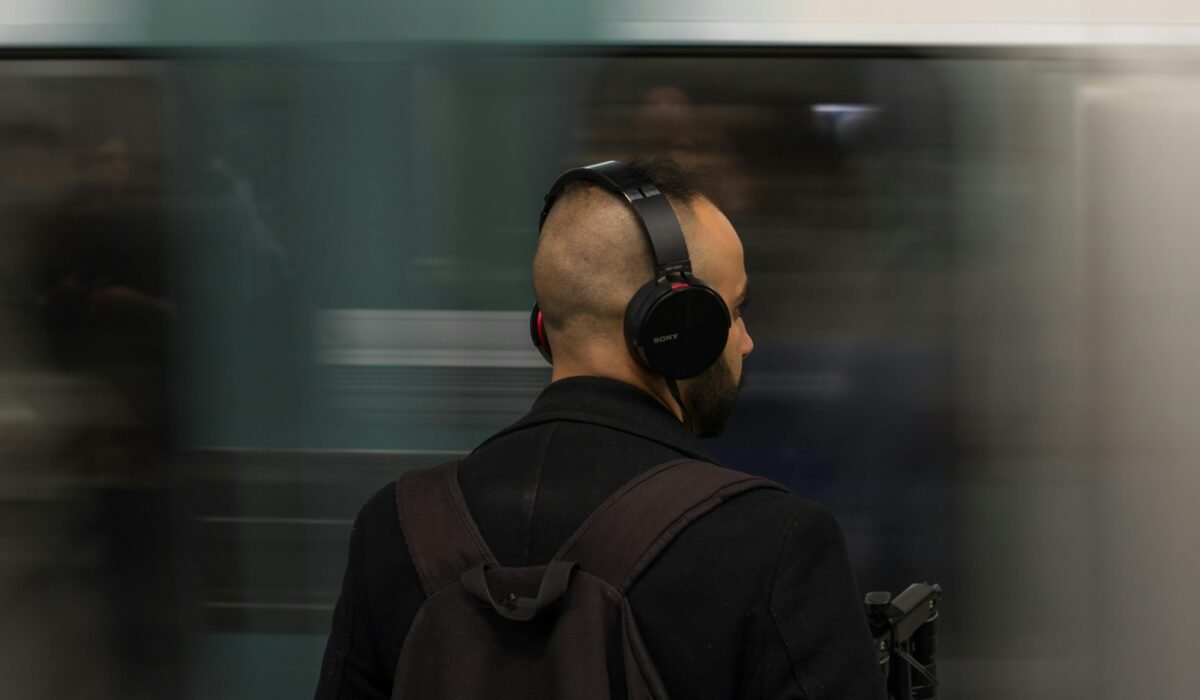
Navigating the daily grind of public transport demands a sanctuary of sound, and finding the best noise-cancelling headphones for commuting is often the first step to reclaiming your peace. Whether you’re battling the rumble of a subway, the chatter on a bus, or the general urban cacophony, a quality pair of active noise cancellation (ANC) headphones can transform your journey into a serene audio escape. This ultimate guide will help you cut through the noise, detailing exactly what you need to consider for an unparalleled commuter audio experience.
What Kind of Headphones Do You Need for Public Transport?
When you’re navigating crowded trains and bustling buses, your headphones need to do more than just play music; they need to create a personal bubble of calm. The core feature you’re looking for is effective active noise cancellation (ANC), which actively blocks out low-frequency ambient sounds like engine hums and crowd murmurs. This technology is a game-changer for public transport users, as explained by Philips, which details how ANC works by generating an opposing sound wave to cancel out external noise.
Beyond ANC, consider several other critical factors. Sound quality is paramount, ensuring your podcasts, music, or audiobooks are delivered with clarity and richness, not just muffled silence. Battery life is another non-negotiable, as you don’t want your audio sanctuary to die mid-commute; look for models offering at least 20-30 hours with ANC enabled. For more on general wireless headphone considerations, you might find our guide on Best Wireless Headphones: Audio Quality & Connectivity Guide helpful.
Comfort is also key, especially for longer journeys. Whether you prefer over-ear headphones that fully cup your ears or discreet in-ear headphones, they should feel secure without causing pressure points. Portability, including a foldable design or compact case, makes them easier to carry in your bag. What most people miss is that a truly great commuter headphone also offers intuitive controls for quick adjustments and reliable Bluetooth connectivity for a seamless experience.
The Best Noise-Cancelling Headphones for Commuting: Top Picks
Choosing the best noise-cancelling headphones for commuting means balancing powerful ANC with overall user experience. The market is projected to reach USD 41.93 billion by 2032, highlighting the growing demand for these crucial devices, according to Mordor Intelligence. Here are some of the top contenders that consistently deliver for daily travelers:
- Sony WH-1000XM5: These headphones are a perennial favorite, known for their class-leading ANC that excels at silencing transit noise. Wantek Headsets notes their “consistent real-world performance” with 30-hour battery life and exceptional comfort, making them a go-to for many commuters. The sound profile is neutral and balanced, perfect for diverse audio content.
- Bose QuietComfort Ultra: Widely considered by experts, including a seasoned headphone reviewer with over a decade of experience, as the closest thing to a “perfect” headphone for 2025, the Bose QuietComfort Ultra offers industry-leading noise cancellation and superb comfort. Its portable, foldable design and Bose Immersive Audio provide a truly captivating soundstage.
- Sennheiser Momentum 4 Wireless: For those prioritizing audiophile-grade sound alongside effective noise cancellation, the Momentum 4 Wireless is a strong contender. It boasts an exceptional 60-hour battery life and adaptive ANC, making it suitable for even the longest commutes and travel days.
- Anker Soundcore Space Q45 / Space One Pro: If you’re seeking affordable noise cancelling headphones for public transport without sacrificing too much performance, Anker’s Soundcore series offers incredible value. Models like the Space Q45 deliver impressive ANC and long battery life (up to 50 hours), proving that premium features can be accessible.
- Apple AirPods Max / AirPods Pro (2nd Gen): For Apple users, these options provide seamless integration, highly effective ANC, and a useful transparency mode. While the AirPods Max are over-ear and premium, the AirPods Pro (2nd Gen) offer excellent in-ear noise cancellation and portability, ideal for those who prefer a smaller form factor.
When comparing top models like the Bose QuietComfort Ultra vs. Sony WH-1000XM5 for commuters, the choice often comes down to subtle preferences in sound signature, fit, and specific ANC characteristics. Both offer phenomenal noise reduction, but some find Bose slightly more effective against voices, while Sony excels with low-frequency rumble.
Are Noise-Cancelling Headphones Safe to Wear While Commuting?
The question of safety is a valid one, especially when considering noise cancelling headphones with transparency mode for city environments. While active noise cancellation can significantly reduce distracting and even stressful sounds, fully blocking out your surroundings can pose risks. You might miss important announcements, approaching vehicles, or emergency sirens.
This is where transparency mode (also known as ambient sound mode or hear-through) becomes essential. This feature uses the headphones’ microphones to let external sounds pass through, allowing you to remain aware of your environment without removing your headphones. Many modern headphones, including the Sony WH-1000XM5 and Bose QuietComfort Ultra, offer sophisticated transparency modes that can even be customized to filter specific frequencies. In practice, I always recommend engaging transparency mode when crossing streets or navigating busy intersections to prioritize safety.
For optimal safety, always use your best judgment. Consider using transparency mode when walking in high-traffic areas or when you need to be aware of your surroundings. On a packed train or bus where external noise is merely an annoyance, full ANC can be safely enjoyed. It’s about being smart and choosing the right mode for the right situation.
$150 vs. $350 Noise-Cancelling Commuter Headphones: Worth the Upgrade?
How much difference is there between a $150 pair and a $350 pair of commuting headphones? The short answer is, for many commuters, yes, the upgrade can be significantly worth it. While budget-friendly options like the Anker Soundcore series offer impressive ANC for their price, the premium tier brings noticeable improvements across the board.
The primary difference lies in the sophistication of the active noise cancellation (ANC) itself. Higher-priced headphones, like the Sony WH-1000XM5 or Bose QuietComfort Ultra, often feature multiple microphones and advanced processing algorithms that more effectively cancel a wider range of frequencies, particularly mid-range sounds like human voices. You’ll experience a deeper, more consistent silence, making your commute truly transformative. This isn’t just about volume reduction; it’s about the quality of the quiet.
Beyond ANC, you’ll typically find superior audio quality with richer bass, clearer mids, and more detailed highs in premium models. Comfort and build materials also see a significant jump, with lighter designs, softer earcups, and more durable plastics or metals. Features like adaptive ANC, personalized sound profiles, and longer, more consistent battery life are also more prevalent in the higher price bracket. While a $150 pair might get you 80% of the way there, that extra 20% from a $350 pair often translates into a vastly more enjoyable and reliable daily experience, especially considering the average American commutes 27.2 minutes daily, according to 2024 data.
Beyond ANC: Durability, Sustainability, and Advanced Features for Commuters
A great pair of noise-cancelling headphones for commuting needs to be more than just quiet; it needs to be commuter-proof. This means it can withstand the daily rigors of being tossed in a bag, enduring temperature changes, and resisting sweat or light rain. Look for models with robust hinges, quality plastics, and perhaps even an IPX rating for water resistance. Real-world durability means they won’t fall apart after a few months of daily use.
What most reviews overlook is the growing importance of sustainability. As consumers become more environmentally conscious, brands that prioritize recycled materials, offer repairability, or have clear end-of-life recycling programs are gaining traction. Some premium brands are beginning to incorporate post-consumer recycled plastics into their designs, offering a more eco-friendly choice for the discerning commuter. This commitment to sustainability can be a significant differentiator, reflecting a brand’s broader values.
Advanced features also elevate the commuter experience. This can include multi-device connectivity, allowing seamless switching between your phone and laptop, or precise touch controls. Some headphones offer spatial audio features, like Bose Immersive Audio, creating a more engaging and three-dimensional sound experience. For those seeking the best lightweight noise cancelling headphones for daily carry, these advanced features often come in compact, refined packages that don’t add unnecessary bulk.
Customizing Your Noise Cancellation: Profiles for Every Commute
Not all noise is created equal, and neither should your noise cancellation. Modern noise-cancelling headphones, particularly premium models, offer increasingly sophisticated ways to customize your sound environment. This goes beyond a simple on/off switch or transparency mode; it allows you to tailor the ANC to your specific commuting scenario.
Many flagship headphones, such as the Sony WH-1000XM5 and Bose QuietComfort Ultra, feature companion apps that allow you to create custom noise cancellation profiles. You can often adjust the intensity of the ANC, or even select modes designed for specific environments: for example, a “train” mode that targets low-frequency rumble, a “bus” mode that focuses on engine noise and general chatter, or a “wind noise reduction” setting for when you’re walking or cycling. The ability to fine-tune these settings means your headphones aren’t just blocking noise, they’re intelligently adapting to your surroundings.
Some headphones even offer adaptive ANC, which automatically adjusts the noise cancellation level based on your environment in real-time. This dynamic adaptation ensures you get the optimal balance of quiet and awareness without having to manually fiddle with settings. In practice, this means your headphones can seamlessly transition from the roar of a subway tunnel to the relative quiet of a city park, maintaining your audio sanctuary with minimal effort.
Can Gaming Headphones Be Used for Commuting?
It’s a common question: can those impressive gaming headphones pull double duty for your daily commute? The short answer is yes, but with significant caveats. While gaming headphones often boast excellent sound quality, comfortable designs for long sessions, and sometimes even decent passive noise isolation, they are typically optimized for a different use case.
The primary difference lies in their focus. Gaming headphones prioritize immersive audio for in-game sounds, clear microphone quality for communication, and comfort for extended wear at a desk. They often lack the advanced active noise cancellation (ANC) found in dedicated commuter headphones, which is crucial for truly silencing public transport noise. Furthermore, gaming headsets can be bulky, less portable, and often feature prominent microphones that aren’t ideal for discreet public use. Their battery life, if wireless, might also be shorter when compared to headphones designed specifically for all-day listening on the go.
So, while you *can* use gaming headphones, you’ll likely sacrifice effective noise cancellation, portability, and potentially battery longevity. For an ultimate commuter audio experience, a purpose-built pair of noise-cancelling headphones will almost always provide a superior, more streamlined, and ultimately more satisfying journey. Think of it this way: you wouldn’t use a racing car for daily grocery runs; it’s just not designed for that specific purpose.
Choosing the Right Noise-Cancelling Headphones for Your Daily Journey
Picking the best noise-cancelling headphones for commuting is a personal decision that hinges on your specific needs and priorities. The market is rich with options, from premium powerhouses like the Sony WH-1000XM5 and Bose QuietComfort Ultra to highly capable affordable noise cancelling headphones for public transport. Remember, the right pair will transform your daily journey from a noisy ordeal into a peaceful and productive escape.
Consider these key factors:
- ANC Performance: How effectively do they block out low-frequency rumble and mid-range chatter?
- Sound Quality: Do they deliver your audio content with clarity and enjoyment?
- Comfort: Can you wear them for your entire commute without discomfort, whether over-ear or in-ear?
- Battery Life: Do they offer enough juice for your daily trips and more?
- Portability & Durability: Are they easy to carry and built to withstand daily wear and tear?
- Transparency Mode: Does it offer good situational awareness when needed?
By prioritizing these elements, you’ll find a pair that not only silences the world around you but also elevates your entire commuting experience. The right headphones aren’t just an accessory; they’re an investment in your daily well-being.
Frequently Asked Questions
What Kind of Headphones Do I Need on Public Transport?
For public transport, you primarily need headphones with strong active noise cancellation (ANC) to block out engine hums and crowd noise. Additionally, prioritize excellent sound quality, long battery life, comfort for extended wear, and a durable, portable design. Many commuters also benefit from a transparency mode for situational awareness.
Are noise-cancelling headphones safe to wear while walking in the city?
While noise-cancelling headphones can enhance focus, wearing them at full ANC in the city can reduce awareness of your surroundings, potentially leading to safety risks. It’s recommended to use headphones with a transparency or ambient sound mode when walking in busy urban areas or crossing streets. This allows you to hear important sounds like traffic and announcements while still enjoying your audio.
How much difference is there between a $150 pair and a $350 pair of commuting headphones?
The difference between a $150 and $350 pair of noise-cancelling headphones for commuting is often significant, particularly in ANC effectiveness, sound quality, and overall build. Higher-priced models typically offer superior noise cancellation across a wider frequency range, more refined audio, enhanced comfort with premium materials, and additional features like advanced adaptive ANC or longer battery life. While $150 options provide good value, the $350 range often delivers a noticeably more premium and immersive experience.
Can I use gaming headphones for my commute?
You can use gaming headphones for your commute, but they are generally not ideal. Gaming headphones prioritize immersive game audio, clear microphones, and comfort for long desk sessions, often lacking the advanced active noise cancellation (ANC) crucial for public transport. They can also be bulkier and less portable than dedicated commuter headphones, which are specifically designed for noise reduction and on-the-go convenience.
Ready to transform your daily commute? Explore the top picks and features discussed here to find your perfect pair of noise-cancelling headphones and finally enjoy the journey.