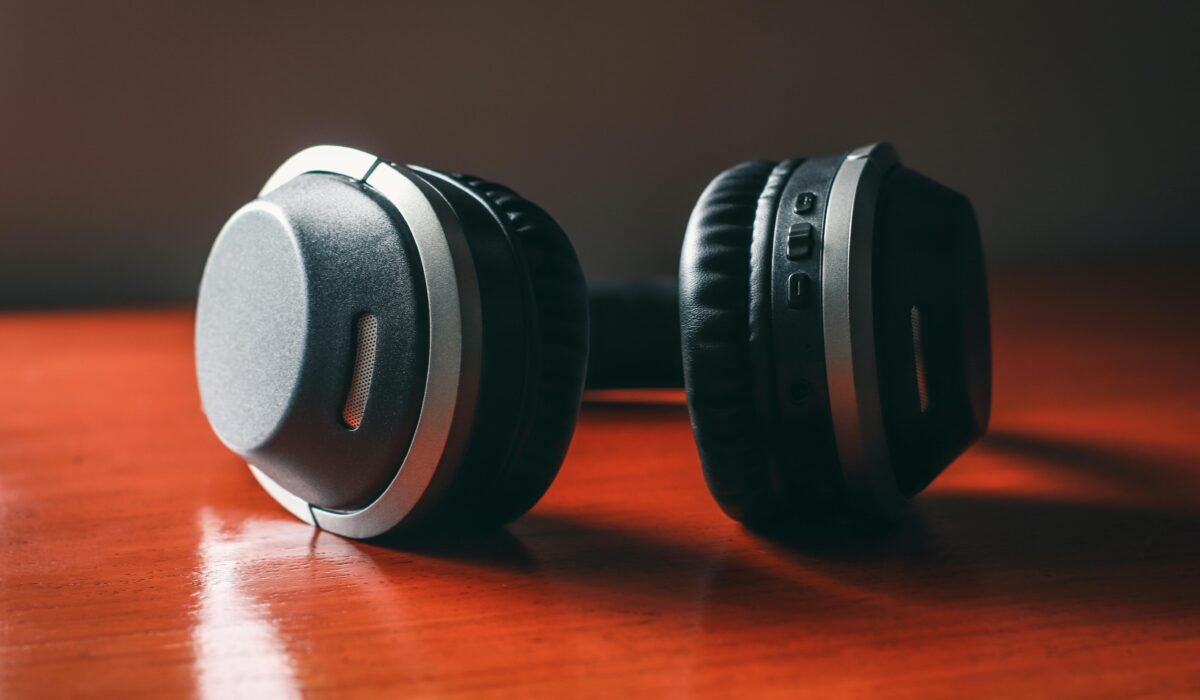
Are you wondering how to find the **best wireless headphones audio quality** that truly elevates your listening experience? You’re not alone; many seek that perfect blend of crystal-clear sound and seamless connectivity without the hassle of wires. This comprehensive guide will demystify the technology behind superior wireless audio, helping you make an informed decision and discover headphones that sound exceptional.
What Makes Wireless Headphones Sound Better?
When you’re searching for the best wireless headphones, understanding what truly contributes to their sound quality is key. It’s not just about the brand name; several technical elements work in harmony to create that immersive audio experience. The fundamental building blocks are the drivers, the materials used in construction, and the initial analog-to-digital conversion.
Good drivers, whether dynamic or planar magnetic, move air efficiently to reproduce sound waves accurately. For instance, larger drivers in many over-ear headphones sound quality often translates to a richer bass response and a wider soundstage. Beyond the drivers, the internal components and how they handle the audio signal before it even gets to the wireless transmission stage are critical. This initial processing sets the foundation for overall wireless audio fidelity.
What most people miss is that even before Bluetooth enters the picture, the quality of the internal electronics plays a massive role. As British TV journalist and technology expert Jon Bentley noted, poor perception of Bluetooth audio in the past was often due to the internal electronics rather than Bluetooth itself. A well-engineered headphone can make even a standard Bluetooth connection sound remarkably good.
Top Wireless Headphones for Superior Audio Quality
Identifying the top contenders for the best wireless headphones audio quality involves looking at devices that consistently deliver exceptional sound, often combined with advanced features. These headphones push the boundaries of what wireless audio can achieve, satisfying even discerning audiophiles. While the global Bluetooth headphones market is projected to reach USD 29.15 Billion by 2033, certain brands stand out.
Here are some of the market leaders renowned for their audio performance:
- Sony WH-1000XM6 (and previous generations like XM5/XM4): These headphones are consistently praised for their balanced sound profile, deep bass, and customizable EQ settings via their companion app. They combine class-leading noise cancellation with excellent audio.
- Bose QuietComfort Ultra Headphones: Known for their “exceptional sound quality with top-of-the-line noise cancellation,” Bose continues to be a favorite among users, with PCMag readers rating them highly for satisfaction and comfort. They deliver clear, well-defined audio across genres.
- Sennheiser Momentum 4 Wireless: Sennheiser is often lauded by audiophiles for its natural audio reproduction. As one PCMag survey taker put it, “Sennheiser is the best brand for audiophiles, hands down.” The Momentum 4 offers a balanced, natural soundstage and impressive battery life.
- Focal Bathys Wireless Headphones: Positioned at the premium end, the Focal Bathys are designed for those who demand “extraordinary sound without compromise.” W. Jennings of ecoustics.com highlights them as reigning supreme for “next level of sound quality,” offering a truly high-fidelity wireless experience.
These models often include advanced features like robust active noise cancellation, contributing to a purer listening experience by eliminating external distractions. This makes them excellent choices if you’re looking for the best noise-cancelling headphones sound quality.
Demystifying Bluetooth Audio Codecs: SBC, AAC, aptX, LDAC
Bluetooth codecs are essentially algorithms that compress and decompress audio data for wireless transmission. The quality of your wireless audio largely depends on which codec your headphones and source device (like your smartphone) both support. Understanding these is crucial for anyone seeking hi-res audio wireless capabilities.
Here’s a quick Bluetooth codecs comparison:
- SBC (Subband Coding): This is the universal, mandatory codec for all Bluetooth devices. It offers decent audio for everyday use but can be prone to higher compression artifacts, especially at lower bitrates.
- AAC (Advanced Audio Coding): Popular with Apple devices, AAC generally provides better sound quality than SBC, particularly within the Apple ecosystem. However, its performance on Android devices can be inconsistent due to varying hardware implementations.
- aptX (and its variants like aptX HD, aptX Adaptive): Developed by Qualcomm, aptX offers lower latency and better audio quality than SBC. aptX HD, specifically, supports 24-bit/48kHz resolution, making it a strong contender for near-lossless audio wireless. Jon Bentley found aptX HD “indistinguishable from wired high resolution audio.”
- LDAC: Sony’s proprietary codec, LDAC, is capable of transmitting audio at bitrates up to 990 kbps. This allows for significantly more data transfer, bringing it very close to true lossless wireless audio headphones. It’s often found in high-end Sony headphones and supported by many Android devices.
In practice, for the best audio, ensure your source device supports the same high-quality codec as your headphones. If your phone only supports AAC and your headphones support LDAC, you’ll be limited to AAC quality. This is a critical nuance often overlooked when people discuss Bluetooth codecs explained.
Connectivity & Latency: How Bluetooth Versions Impact Wireless Headphones
Beyond codecs, the actual Bluetooth version plays a significant role in your overall wireless experience, affecting connection stability, range, and most importantly, latency. Latency is the delay between an audio signal being sent and you hearing it, and it’s particularly important for gamers or video watchers who need low latency headphones.
Bluetooth Version Evolution and Its Effects
The progression of Bluetooth versions, such as from 5.0 to 5.3, brings incremental but important improvements to wireless headphone technology explained. Each new version typically offers:
- Increased Bandwidth: Allows for faster data transfer, which can support higher-quality audio codecs.
- Improved Range: You can move further from your source device without losing connection.
- Enhanced Power Efficiency: Leads to longer battery life for your headphones.
- Lower Latency: Crucial for synchronized audio and video. Bluetooth 5.2 and 5.3 feature advancements that reduce audio delay, making a noticeable difference in gaming or watching movies.
So, while older Bluetooth versions still work, newer standards significantly reduce wireless headphone latency and improve overall connection reliability. This means smoother streaming and a more responsive experience, especially during interactive tasks.
Digital Signal Processing (DSP): The Unsung Hero of Wireless Sound
Digital Signal Processing (DSP) is a powerful technology embedded in most modern wireless headphones, working quietly behind the scenes to shape and enhance your listening experience. It’s often the secret sauce that allows manufacturers to achieve their signature sound profiles and advanced features. Understanding DSP is key to appreciating why certain Digital Signal Processing headphones stand out.
DSP chips can perform a multitude of tasks:
- Equalization: Fine-tuning the frequency response to create a specific sound signature, like boosting bass or clarifying trebles. This can compensate for inherent driver limitations.
- Active Noise Cancellation (ANC): DSP algorithms analyze ambient noise and generate inverse sound waves to cancel it out, providing a quieter listening environment.
- Spatial Audio: Advanced DSP can create the illusion of sound coming from different directions, offering an immersive, three-dimensional soundstage. Many newer wireless headphones with spatial audio wireless headphones capabilities heavily rely on sophisticated DSP.
- Volume Control & Dynamic Range Compression: Ensuring consistent volume levels and preventing distortion at high volumes.
In essence, DSP allows manufacturers to extract maximum performance from their hardware, correcting imperfections and adding features that would be impossible with analog circuits alone. It’s a critical factor in the perceived sound quality of premium wireless headphones.
The Future of Wireless Audio: LE Audio, AI, and Beyond
The landscape of wireless audio is constantly evolving, with exciting advancements on the horizon that promise to bridge the gap between wired and wireless fidelity even further. The Bluetooth Special Interest Group (SIG) is actively pushing boundaries, aiming for standardized lossless wireless audio headphones and more immersive experiences.
LE Audio: The Next Generation of Bluetooth
Bluetooth LE Audio (Low Energy Audio) is poised to revolutionize wireless sound. It introduces a new high-quality codec called LC3, which is more efficient than SBC and can deliver better audio quality at lower bitrates. More importantly, LE Audio will enable:
- Standardized Lossless Audio: The Bluetooth SIG is working on protocols that could allow for true lossless audio transmission across all compatible devices, making hi-res audio wireless a reality for everyone.
- Auracast™ Broadcast Audio: Imagine sharing your audio stream with multiple people or listening to public broadcasts directly through your headphones.
- Enhanced Spatial Audio: With greater bandwidth and processing capabilities, future LE Audio devices will offer more sophisticated and realistic spatial audio experiences.
Beyond LE Audio, we can expect to see further integration of AI. While we’ve discussed AI’s role in other tech sectors like smart home energy efficiency, in audio, AI could personalize sound profiles based on your hearing, optimize battery life, or even predict and adapt to your listening environment. The market is projected to continue its strong growth, indicating a ripe environment for innovation.
How to Choose the Best Wireless Headphones for Your Needs
Choosing the **best wireless headphones audio quality** for your specific needs requires a holistic approach, considering not just raw sound performance but also how they fit into your lifestyle. With wireless models accounting for over 67% of all earphone and headphone sales in 2023, the options are vast.
Here’s a practical checklist to guide your decision:
- Consider Your Source Device: If you have an iPhone, AAC performance will be excellent. For Android users, LDAC or aptX might offer superior quality, provided your phone supports them. Compatibility is key for unlocking the full potential of your headphones.
- Define Your Primary Use: Are you an audiophile prioritizing pure sound, a traveler needing top-tier ANC, or a gamer demanding minimal latency? Your use case will dictate which features are most important.
- Comfort and Fit: Especially for over-ear headphones, comfort for long listening sessions is paramount. Over-ear headphones dominated the market in 2023 with a 47.9% share, largely due to their comfort and sound quality.
- Battery Life: Longer battery life means less charging and more listening, a crucial factor for wireless convenience. Some models, like the Sennheiser Momentum 4, boast an impressive 60 hours.
- Budget: High-fidelity wireless headphones are available across a wide price range. Set a realistic budget and look for the best features and sound quality within that range.
Ultimately, the “best” headphones are the ones that sound fantastic to *you* and meet your practical needs. Don’t be afraid to try different models if possible.
Frequently Asked Questions
What makes wireless headphones sound better?
Wireless headphones sound better due to a combination of factors: high-quality drivers, excellent internal electronics, advanced Bluetooth codecs (like LDAC or aptX HD), and sophisticated Digital Signal Processing (DSP). These elements work together to minimize compression and distortion, accurately reproduce sound, and even actively cancel noise for a clearer listening experience.
Which wireless headphones have the best sound quality?
Headphones from brands like Sony (e.g., WH-1000XM6), Sennheiser (Momentum 4 Wireless), Bose (QuietComfort Ultra), and premium options like Focal Bathys are consistently cited for their superior sound quality. These models often feature advanced codecs, robust DSP, and meticulously engineered drivers to deliver a rich, detailed, and immersive audio experience.
Is Bluetooth audio quality good enough?
Yes, Bluetooth audio quality has significantly improved and is “good enough” for most users, especially with modern codecs like aptX HD and LDAC. These codecs can transmit near-lossless or even hi-res audio data, making the sound quality virtually indistinguishable from wired connections for many listeners. The upcoming LE Audio standard promises even further advancements, including standardized lossless audio.
What is the best audio codec for wireless headphones?
The “best” audio codec depends on your device ecosystem and priorities. For Android users and audiophiles, LDAC (Sony) or aptX HD/Adaptive (Qualcomm) often provide the highest fidelity and lowest latency. For Apple users, AAC is highly optimized within their ecosystem. Each offers a different balance of quality, latency, and device compatibility.
Choosing the **best wireless headphones audio quality** involves more than just picking a popular brand; it’s about understanding the intricate dance between codecs, Bluetooth versions, and advanced processing. By delving into these technical aspects, you’re now equipped to make a truly informed decision. Ready to upgrade your audio experience? Explore the top-tier options and find the perfect pair that brings your music to life, wirelessly.