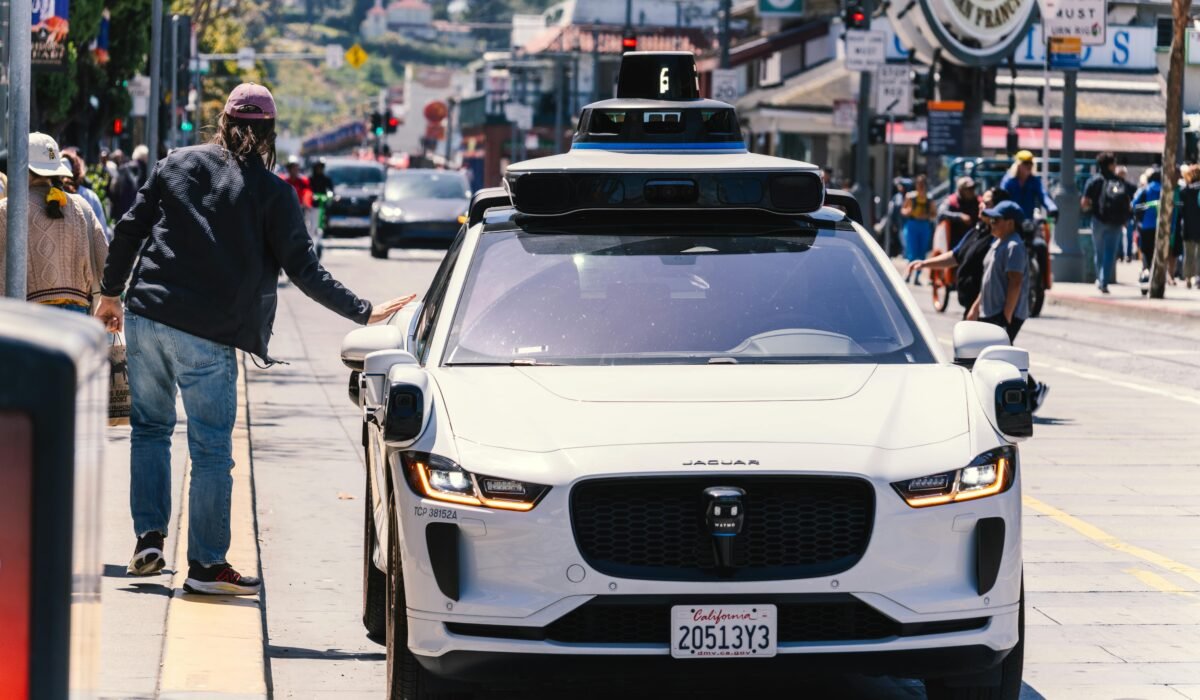
The journey towards safer roads is undergoing a revolutionary transformation, as AI enhances in-car safety features, moving beyond passive protection to proactive accident prevention. For many drivers, the burning question is no longer *if* technology can make us safer, but *how* these intelligent systems truly operate and what impact they have on our daily commutes. This comprehensive guide will explore the profound ways artificial intelligence is redefining vehicle safety, acting as your ever-vigilant co-pilot on the road.
How AI Enhances In-Car Safety Features: A Proactive Approach
Artificial intelligence fundamentally shifts in-car safety from reacting to collisions to actively preventing them. It does this by processing vast amounts of data from a vehicle’s sensors, interpreting complex scenarios, and making split-second decisions far faster than a human could. This proactive capability is really what sets modern vehicle safety technology apart.
At its core, AI leverages advanced algorithms, particularly in areas like computer vision automotive and machine learning car safety. These technologies allow vehicles to “see” their surroundings, understand traffic patterns, and predict potential hazards. As Professor Yuanchang Xie from UMass Lowell observed, “AI can be used to analyze historical crash data and identify hidden and subtle patterns, which helps transportation agencies improve roadway design, safety and maintenance.” This foundational analysis helps build smarter, safer systems.
The system constantly learns and refines its understanding of driving environments. It’s not just about what’s happening now, but anticipating what *might* happen next. This continuous learning process is key to the evolving intelligence of modern vehicles, helping to improve overall vehicle safety technology.
Key AI-Powered Safety Features Revolutionizing Vehicles
Today’s vehicles are equipped with an array of sophisticated features that leverage AI to keep you safe. These systems fall under the umbrella of Advanced Driver Assistance Systems (ADAS), and they are rapidly becoming standard across the automotive industry. They represent a significant leap forward in active safety.
Automatic Emergency Braking (AEB)
One of the most impactful AI-powered safety features is Automatic Emergency Braking (AEB). Utilizing radar, cameras, and lidar sensors, AEB systems detect potential frontal collisions with other vehicles, pedestrians, or cyclists. If the driver doesn’t react in time, the system can automatically apply the brakes, significantly reducing impact severity or even preventing the accident entirely. Studies show AEB can reduce intersection accidents by 28% and rear-end collisions by 27.7%.
Lane Keeping Assist (LKA) and Adaptive Cruise Control (ACC)
AI also powers features like Lane Keeping Assist (LKA), which uses cameras to monitor lane markings and gently steers the vehicle back into its lane if it drifts. Similarly, Adaptive Cruise Control (ACC) utilizes radar and cameras to maintain a safe following distance from the car ahead, automatically adjusting speed. These systems work together to reduce driver fatigue and prevent common types of accidents.
Blind Spot Detection (BSD) and Driver Monitoring Systems (DMS)
Blind Spot Detection (BSD) is another critical AI application, alerting drivers to vehicles in their blind spots, a common cause of side-swipe accidents. Furthermore, Driver Monitoring Systems (DMS), seen in vehicles like those with GM’s Super Cruise or Ford’s BlueCruise, use AI-powered cameras to track driver attention and alertness. These systems ensure that even with advanced automation, the human driver remains engaged and ready to take control. Bosch, for instance, is actively developing AI-driven DMS to combat distracted driving by detecting stress and fatigue levels.
The intelligence embedded in these systems extends to AI for Automotive Predictive Maintenance, where algorithms analyze vehicle data to anticipate component failures before they happen. This proactive approach not only prevents breakdowns but also ensures critical safety systems are always functioning optimally. For a deeper dive into the sensors that make these systems possible, consider exploring Autonomous Vehicle Lidar Radar: Demystifying Sensors.
The Tangible Benefits of AI in Preventing Road Accidents
The integration of AI into vehicle safety is not just theoretical; it delivers concrete, measurable benefits in preventing road accidents. The stark reality is that human error contributes to approximately 88% of collisions, according to regulators. With over 1 million traffic deaths globally per year, and 39,254 fatalities in the U.S. alone in 2024 as reported by NHTSA, the need for enhanced safety is undeniable.
Here’s the thing: AI-powered systems are designed to mitigate these human vulnerabilities. For example, collision avoidance systems have been shown to reduce collision risk by 25% or more, with automatic emergency braking specifically reducing rear-end crashes by 38%. This directly translates to fewer injuries and fatalities on our roads.
One of the most compelling examples comes from Waymo, Google’s autonomous driving spin-off. Their analysis of 25.3 million miles of fully driverless operation revealed an 88% reduction in property damage claims and a 92% reduction in bodily injury claims compared to the average human driver. This truly highlights the potential of AI in autonomous vehicles safety.
As Tatiana Verbitskaya of Keymakr noted, “AI in Automotive has become key for road safety… Vehicles now understand their surroundings better, thanks to AI.” These benefits extend to commercial fleets too, where comprehensive AI safety systems can achieve a positive ROI within 18–24 months through reduced claims and downtime. The overall impact of AI on road accident reduction is profound, offering hope for a future with significantly safer travel.
Beyond the Tech: Ethical Dilemmas and Accountability in AI Decisions
While AI promises immense safety improvements, its increasing autonomy introduces complex ethical considerations. What most people miss is the profound question of accountability when an AI system makes a split-second decision in an unavoidable accident scenario. Who is responsible if an algorithm chooses one outcome over another, leading to harm?
This is where the discussion of programming ethical AI car decisions becomes critical. Automakers and developers are grappling with how to embed human values and ethical frameworks into AI algorithms. For instance, in a situation where a collision is inevitable, how should the AI prioritize outcomes? Should it protect the vehicle’s occupants, or minimize harm to pedestrians outside the vehicle? These are not easy questions, and there are no universally accepted answers yet.
Beyond these philosophical challenges, practical concerns like data privacy and cybersecurity are paramount. The vast amounts of data collected by AI systems raise questions about how this information is stored, used, and protected. Ensuring the integrity and security of these systems is vital to maintaining public trust and safety. As Akihiro Sarada, President of Toyota’s software development center, stated, the ultimate goal is “creating a society with no traffic accidents,” which necessitates creating an ecosystem with partners who share this ambition and address these complex challenges.
The Human Element: Managing Alert Fatigue and Driver Over-Reliance
As vehicles become smarter, a new set of challenges emerges regarding the interaction between human drivers and AI. One significant concern is alert fatigue. Modern ADAS features can generate numerous warnings—audible beeps, visual flashes, haptic feedback—which, while well-intentioned, can desensitize drivers over time. Too many alerts can lead to drivers ignoring critical warnings or even disabling features altogether, counteracting the safety benefits.
Another crucial aspect is driver over-reliance on automated systems. When drivers become too comfortable with features like Adaptive Cruise Control or Lane Keeping Assist, their vigilance can decrease. This diminished attention can make it harder for them to take over quickly and safely when the AI system reaches its limits or encounters an unexpected scenario. In practice, this means AI should function as a co-pilot, not a replacement for active driving.
This is precisely why AI in Smart Infotainment Systems, particularly through advanced driver monitoring systems AI technology, is so important. These systems are evolving to not just detect distraction but also understand driver engagement levels and intervene intelligently. The goal is to strike a delicate balance: providing assistance without fostering complacency, ensuring that the human element remains a vigilant and capable partner in the driving task.
Shaping the Future: Regulatory and Standardization Challenges
The rapid advancement of AI in automotive safety presents significant challenges for regulators and policymakers worldwide. Unlike traditional mechanical safety features, AI systems are dynamic, constantly learning, and can behave in ways that are difficult to predict or standardize. This makes creating unified testing protocols and safety certifications incredibly complex.
Bodies like the National Highway Traffic Safety Administration (NHTSA) in the U.S. and the EU’s General Safety Regulation are actively working to establish frameworks for autonomous and AI-driven vehicles. However, developing regulations that keep pace with technological innovation, while also ensuring public safety, is a monumental task. The sheer volume of data, such as the 6,450 autonomous vehicle incidents reported to NHTSA as of 2024-2025, underscores the need for robust oversight.
A major focus is on the role of virtual testing and simulation. Given the infinite number of real-world driving scenarios, it’s impossible to test AI systems solely on physical roads. Virtual environments allow developers to expose AI to millions of diverse and challenging situations, accelerating development and validation. Dr. Franz Decker, CIO of the BMW Group, emphasized this, stating, “By combining our engineering datasets with Mistral AI’s model training capabilities, we are building specialized AI which supports complex development tasks.” This collaborative approach is crucial for addressing the future of car safety technology AI and ensuring its safe deployment. You can find more information on regulations and incidents from sources like the NHTSA.
Looking Ahead: The Evolution of AI as Your In-Car Safety Co-Pilot
The journey of AI in enhancing in-car safety features is far from over; it’s just accelerating. We are moving towards a future where AI acts as a truly integrated, intuitive co-pilot, making driving safer, more efficient, and eventually, virtually accident-free. The vision is clear: AI will continue to evolve as a vital partner in road safety.
Future advancements will likely focus on even more sophisticated autonomous vehicles safety capabilities, including enhanced predictive perception and seamless vehicle-to-everything (V2X) communication. This will allow cars to communicate not just with each other, but also with traffic infrastructure, pedestrians’ smartphones, and emergency services. Imagine a car knowing about a pedestrian stepping out from behind a parked vehicle even before its onboard sensors can see them.
Companies like Volvo are already pioneering this with “Safe Space Technology” in vehicles like the EX90, integrating LiDAR and AI-driven supercomputers to aim for “zero collisions.” This system can detect pedestrians up to 250 meters away, even at highway speeds. Beyond individual vehicles, AI is also transforming traffic management, with systems like Acusensus ‘Heads-Up’ cameras using AI to detect distracted driving and TfL partnering with Siemens Mobility to use AI for dynamic traffic signal optimization, reducing congestion and improving safety for everyone. The continued development of AI-powered collision avoidance systems will undoubtedly make our roads safer.
The progress is undeniable, and as a 2024 study published in Nature Communications highlighted, autonomous vehicles were found to be far less likely to cause rear-end and broadside collisions compared to human-driven accidents. This points to a future where AI’s role as our in-car safety co-pilot becomes increasingly indispensable.
Frequently Asked Questions
How does AI improve car safety?
AI improves car safety by enabling vehicles to proactively detect, predict, and react to potential hazards faster and more consistently than human drivers. It achieves this through advanced sensor data processing, machine learning for pattern recognition, and real-time decision-making in features like Automatic Emergency Braking and Lane Keeping Assist, significantly reducing accident risks.
What are AI safety features in cars?
AI safety features in cars include Advanced Driver Assistance Systems (ADAS) such as Automatic Emergency Braking (AEB), Adaptive Cruise Control (ACC), Lane Keeping Assist (LKA), Blind Spot Detection (BSD), and Driver Monitoring Systems (DMS). These systems use AI for tasks like object recognition, predictive analysis, and driver attention monitoring to prevent collisions and minimize accident severity.
What are the benefits of AI in autonomous vehicles?
The benefits of AI in autonomous vehicles are substantial, primarily focusing on significant reductions in accidents caused by human error. AI enables autonomous vehicles to perceive their environment comprehensively, make consistent decisions, and react without fatigue or distraction. This leads to fewer collisions, reduced fatalities and injuries, and the potential for smoother traffic flow.
What are the disadvantages of AI in cars?
Disadvantages of AI in cars include complex ethical dilemmas regarding accountability in unavoidable accident scenarios, the potential for driver alert fatigue from numerous warnings, and over-reliance on automated systems leading to decreased driver vigilance. Additionally, concerns around data privacy, cybersecurity vulnerabilities, and the challenges of establishing comprehensive regulatory standards for AI systems remain important considerations.
As you can see, AI is not just a futuristic concept; it’s actively making our roads safer right now. From preventing collisions to monitoring driver attention, AI enhances in-car safety features in ways that were unimaginable just a few years ago. Embrace this technological evolution, stay informed about the latest advancements, and drive confidently knowing that AI is increasingly working as your vigilant co-pilot, helping to protect you and your loved ones on every journey.