Key Takeaways
- The global PC gaming peripheral market is projected to grow to USD 4.73 billion by 2034, according to Intel Market Research (2026).
- Razer commands approximately 10% of the PC gaming peripheral market, making it the world’s largest player, as reported by Intel Market Research (2026).
- Gaming headsets held the largest Gaming Peripherals for Esport market share by product type in 2024, according to Intel Market Research (2026).
- Online channels accounted for 62% of peripheral sales in 2023, demonstrating a strong digital purchasing trend, according to Intel Market Research (2026).
- Lynnie “artStar” Noquez emphasizes replicating tournament setups at home for consistent competitive practice.
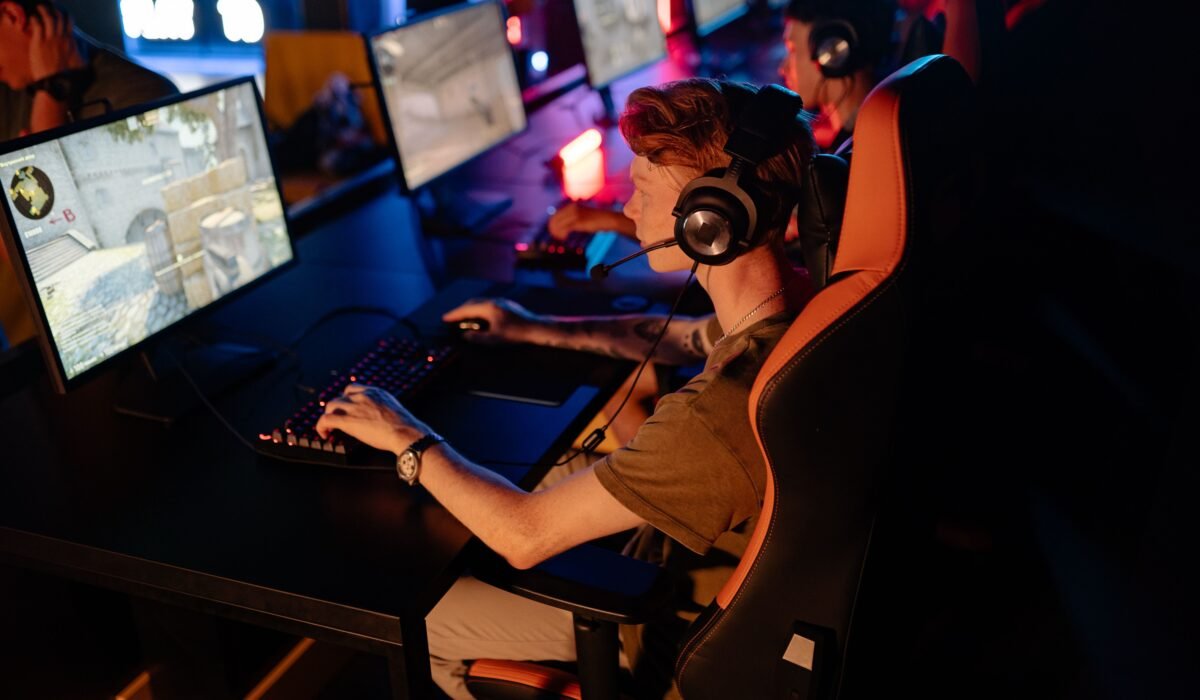
Are you ready to elevate your gameplay and truly compete at an elite level? Discovering the **best gaming peripherals for competitive players** is essential for anyone serious about esports or climbing ranked ladders. This guide will help you understand why top-tier gear isn’t just a luxury, but a fundamental requirement to gain a crucial competitive edge.
Quick Answer: Competitive players need high-performance gaming peripherals like precision mice, responsive keyboards, and high refresh rate monitors. These tools offer speed, accuracy, and comfort, crucial for replicating tournament conditions and maximizing in-game performance for a competitive edge.
Why Do Competitive Gamers Need Elite Peripherals?
Competitive gamers need elite peripherals because these tools directly translate into tangible in-game advantages, offering superior precision, speed, and comfort. The global gaming peripherals market was valued at USD 5936.32 million in 2025 and is projected to reach USD 15822.40 million by 2035, according to Intel Market Research (2026), highlighting the growing demand for high-performance gear. These specialized devices are engineered to minimize input lag, maximize responsiveness, and withstand the rigorous demands of competitive play.
High-quality gaming gear ensures every micro-movement and command registers accurately and instantly. This responsiveness is non-negotiable in fast-paced esports titles where milliseconds can determine victory or defeat. Investing in the **best gaming peripherals for competitive players** is about eliminating hardware as a bottleneck to your skill.
Lynnie “artStar” Noquez, a two-time Intel Challenge champion, emphasizes the importance of consistency. She states, “It’s important to replicate a tournament environment in your home set-up, so that you practice with what you compete on,” underscoring the need for reliable, high-performance equipment. This consistency builds muscle memory and confidence, crucial for competitive success.
Optimal ergonomics and durability are also key factors. Competitive players often spend hours training, making comfort essential to prevent fatigue and injury. The build quality of elite peripherals ensures they can endure intense gaming sessions and travel for tournaments.
What Gaming Peripherals Do Esports Pros Rely On?
Esports pros primarily rely on a suite of high-performance peripherals, including ultra-responsive mice, mechanical keyboards with rapid trigger technology, crystal-clear gaming headsets, and high refresh rate monitors. These devices are chosen for their precision, speed, and reliability, as highlighted by the fact that the gaming peripherals for esports market size was valued at USD 8.85 billion in 2025, according to Intel Market Research (2026). Pros understand that their gear is an extension of their skill, and they demand nothing but the absolute **best gaming peripherals for competitive players**.
Many pros gravitate towards lightweight mice with advanced sensors, such as the Logitech G Pro X Superlight, known for its optical switches and minimal weight. This allows for swift, accurate flick shots and precise tracking in FPS games. Low latency peripherals are critical for eliminating any delay between a player’s action and the game’s response.
Gaming keyboards featuring optical or Hall Effect switches, like the Wooting 60HE, are increasingly popular for their adjustable actuation points and rapid trigger capabilities. These features allow for incredibly fast, precise inputs and resets, offering a distinct competitive advantage. A gaming keyboard rapid trigger can be a game-changer for movement and ability usage.
For communication and sound cues, esports pros use headsets with superior audio clarity and excellent microphones. The Razer BlackShark V2 Pro (2023 re-release) is noted for its clear mic, which is crucial for effective team coordination. Clear communication is as vital as individual skill in team-based esports.
High refresh rate monitors, such as the Zowie XL2566X+ with its 360-400Hz refresh rate, are non-negotiable for competitive play. These monitors provide incredibly smooth visuals, allowing pros to react faster to in-game events. A monitor refresh rate competitive gaming setup ensures you see every frame.
The 10 Essential Gaming Peripherals for Competitive Advantage
Securing the **best gaming peripherals for competitive players** involves a strategic selection of gear designed to maximize every aspect of your performance. Each of these 10 items plays a vital role in providing the speed, accuracy, and comfort needed to compete at the highest levels. More than 250 million gamers participate in esports and competitive gaming, all requiring precision-focused peripherals, according to Intel Market Research (2024).
Here are the 10 essential peripherals you need to consider for a competitive gaming setup:
- High-Performance Gaming Mouse: A lightweight mouse with a precise optical sensor and low click latency is paramount for accurate aiming and swift movements. Models like the Logitech G Pro X Superlight or Razer DeathAdder V3 Pro are favored by pros for their reliability and performance. Gaming mice held a 29% share of total peripherals in 2024, with ergonomic designs preferred by 61% of competitive gamers.
- Mechanical Gaming Keyboard with Rapid Trigger: Keyboards like the Wooting 60HE or SteelSeries Apex Pro TKL (Gen 3) offer adjustable actuation points and rapid trigger technology, allowing for lightning-fast inputs and resets. This feature is crucial for intricate movement and ability execution in titles like Valorant.
- High Refresh Rate Gaming Monitor: A monitor with at least 144Hz, ideally 240Hz or 360Hz like the Zowie XL2566X+, provides ultra-smooth visuals, reducing motion blur and allowing quicker reaction times. This is non-negotiable for a competitive gaming gear guide.
- Gaming Headset with Clear Microphone: Clear audio cues and crisp team communication are vital. Headsets like the SteelSeries Arctis Nova Pro Wireless or Razer BlackShark V2 Pro (2023 re-release) offer both immersive sound and an excellent microphone for esports. Gaming headsets held the largest Gaming Peripherals for Esport market share by product type in 2024, according to Intel Market Research (2026).
- Large, High-Quality Mousepad: A consistent surface is crucial for mouse tracking accuracy. Mousepads like those from SteelSeries or Razer provide ample space for low-DPI aiming and ensure smooth, predictable glide.
- Ergonomic Gaming Chair: Long gaming sessions demand proper posture support to prevent fatigue and injury. An ergonomic gaming chair is an investment in your physical well-being and consistent performance.
- Reliable Internet Connection (Wired Ethernet): While not a peripheral in the traditional sense, a stable, low-latency wired internet connection is absolutely critical for competitive online play, eliminating wireless interference and dropped packets.
- Bungee or Wireless Mouse Dock: To prevent cable drag for wired mice or ensure constant charge for wireless ones, a mouse bungee or charging dock keeps your setup clean and responsive. Wireless gaming peripherals observed 48% year-on-year adoption growth, according to Intel Market Research (2024).
- Customizable Macro Pad: For games requiring complex keybinds or quick access to commands, a small, programmable macro pad can streamline your workflow and reduce reliance on awkward keyboard combinations.
- High-Quality KVM Switch (for multi-PC setups): If you stream or manage multiple PCs, a KVM switch allows you to use your **best gaming peripherals for competitive players** across different systems seamlessly, maintaining your optimal setup.
Picking the Right Components
When selecting your components, prioritize features that directly impact competitive performance. Look for low latency peripherals and robust build quality. Lynnie “artStar” Noquez emphasizes reliability, stating, “All my peripherals are on my ‘must have’ list for competitive gaming, because they are incredibly reliable in tournament play.”
Beyond the Big Three: Other Critical Gaming Gear
While mice, keyboards, and headsets are often considered the “big three,” other critical gaming gear significantly enhances a competitive player’s setup. These overlooked peripherals contribute to comfort, consistency, and overall performance, solidifying your arsenal of the **best gaming peripherals for competitive players**. The PC gaming peripheral market is propelled by the explosive growth of esports, with global audiences exceeding 500 million viewers annually, according to Intel Market Research (2026), driving innovation across all gear categories.
A high-quality mousepad offers a consistent surface for precise tracking, which is vital for maintaining accuracy during intense firefights. Different mousepad materials and sizes cater to various playstyles, from control-oriented surfaces for tactical shooters to speed-focused pads for rapid movements. It’s a foundational piece of a serious esports pro gaming setup.
Ergonomic considerations extend beyond just the chair; a proper gaming desk height and monitor arm can prevent strain and optimize viewing angles. Investing in an ergonomic gaming gear setup supports long-term health and consistent performance. These elements ensure your physical comfort doesn’t detract from your mental focus during critical moments.
Even seemingly minor additions like cable management solutions can make a big difference. Keeping cables tidy prevents snags and distractions, maintaining a clean and functional battle station. This attention to detail supports uninterrupted focus, allowing you to fully concentrate on the game.
Customizing Your Peripherals for Peak Performance
Customizing your peripherals is paramount for achieving peak performance, allowing you to tailor your gear precisely to your unique playstyle and game preferences. This personalization transforms standard equipment into the **best gaming peripherals for competitive players** specifically for *you*. Innovations in sensor technology and wireless connectivity have enabled products with ultra-high DPI ratings up to 26,000 and sub-1ms latency, offering unprecedented customization options, according to Intel Market Research (2026).
For gaming mice, customization includes adjusting DPI settings, polling rates, and even weight distribution. Many high-end mice, like those from Razer and Logitech, come with software that allows granular control over sensor sensitivity and button assignments. Experimenting with these settings can dramatically improve your aim and reaction time.
Keyboards offer extensive customization, particularly those with programmable keys and adjustable actuation. The Wooting 60HE, for instance, allows users to set individual actuation points for each key and utilize rapid trigger technology for dynamic key resets. This level of control is crucial for complex movement mechanics and precise ability timing in games like Valorant.
Even headsets can be customized through software equalizers, allowing players to boost specific frequencies to better hear footsteps or gunshots. This audio tuning provides a significant competitive advantage by enhancing critical sound cues. Getting the most out of your gaming headset clear mic involves optimizing these settings.
The Power of Personalization
Personalization ensures your gear feels like a natural extension of your body, reducing friction between intent and action. This fine-tuning is what separates a good setup from an optimized, competitive gaming gear guide setup. Don’t overlook the impact of software profiles for different games or even different roles within a game.
Budget-Friendly Gaming Peripherals for Aspiring Pros
Aspiring pros can build a highly effective competitive setup without breaking the bank by focusing on core performance features rather than premium branding or RGB lighting. While top-tier gear is often highlighted, there are many budget-friendly gaming peripherals for aspiring pros that still offer the essential performance needed to compete. The global PC gaming peripheral market size was valued at USD 3.23 billion in 2024, demonstrating a wide range of products available at various price points, according to Intel Market Research (2026).
When selecting a mouse, prioritize a reliable optical sensor with a decent DPI range (800-1600 DPI is common for competitive play) and a comfortable shape. Brands like Zowie often provide excellent performance-to-price ratios for their mice, focusing on functionality over flashy features. You can find solid options that still provide the precision needed for the **best gaming peripherals for competitive players**.
For keyboards, look for mechanical switches that offer consistent actuation, even if they’re not the latest rapid trigger technology. Many entry-level mechanical keyboards from reputable brands like SteelSeries or HyperX provide a significant upgrade over membrane keyboards. A simple tenkeyless (TKL) design can save space and often cost less.
A high refresh rate monitor is arguably the most impactful investment for competitive play. While 360Hz might be out of budget, a 144Hz or 165Hz monitor can be found at a reasonable price and still offers a massive advantage over standard 60Hz displays. Prioritizing frame rate over resolution at 1080p is a smart move for esports titles.
Smart Spending for Competitive Edge
Focus on the fundamentals: low input lag, consistent tracking, clear audio, and smooth visuals. You can often find previous generation models of high-end gear at a discount, which still outperform many newer budget options. Online channels accounted for 62% of peripheral sales in 2023, offering competitive pricing, according to Intel Market Research (2026).
| Peripheral Type | Key Budget Feature to Look For | Example (Brand/Feature) |
|---|---|---|
| Gaming Mouse | Reliable optical sensor, comfortable shape, lightweight | Logitech G203, Razer DeathAdder Essential |
| Gaming Keyboard | Mechanical switches (Red/Brown), TKL layout | SteelSeries Apex 3 TKL, HyperX Alloy Origins Core |
| Gaming Monitor | 144Hz-165Hz refresh rate, 1ms response time | AOC 24G2, ASUS VP249QGR |
| Gaming Headset | Clear mic, decent soundstage, comfortable earcups | HyperX Cloud Stinger Core, SteelSeries Arctis 1 |
| Mousepad | Large size, consistent surface material | SteelSeries QcK, Razer Goliathus Extended |
Expert Insights: Optimizing Your Competitive Setup
Optimizing your competitive setup goes beyond simply acquiring the **best gaming peripherals for competitive players**; it involves understanding how to integrate and fine-tune them for maximum impact. Experts like Lynnie “artStar” Noquez emphasize the importance of consistency, advising players to practice with the exact setup they intend to compete with. This replication of a tournament environment at home is critical for building reliable muscle memory and confidence under pressure.
Jeffrey L. Wilson, PCMag’s managing editor for apps and gaming, notes the increasing versatility of gaming hardware, which benefits consumers by offering more ways to play. This means you have a wider range of options to find what truly fits your competitive style. The key insight here is that “best” is subjective to individual preference and game type.
Will Judd, in his review of the Logitech G Pro X2 SuperStrike mouse, gave it a “coveted 10/10 rating,” highlighting its “unbeatable reactivity in every game during testing.” This underscores that responsiveness and reliability are often prioritized over flashy features by those who truly understand competitive play. When considering your gaming peripherals for Valorant, for instance, reactivity is paramount.
An IGN expert, Michael Higham, found the SteelSeries Apex Pro TKL Gen 3 keyboard “hard-pressed to find an aspect he would change,” praising its gaming and typing experience. This expert endorsement confirms that top-tier keyboards, especially those with advanced switches, are a cornerstone of any serious esports pro setup. The focus should always be on performance and comfort.
The Role of Consistent Practice
Consistent practice with your chosen setup helps you develop an intuitive understanding of your gear’s capabilities and limitations. This synergy between player and peripheral is what truly unlocks peak performance. Don’t constantly switch gear; find what works and stick with it.
Frequently Asked Questions
What peripherals do most esports pros use?
Most esports pros use high-performance gaming mice, mechanical keyboards with advanced switches, high refresh rate monitors, and clear communication headsets. These selections prioritize precision, speed, and reliability, with gaming headsets holding the largest Gaming Peripherals for Esport market share in 2024, according to Intel Market Research (2026). They typically stick to brands known for quality like Razer, Logitech, SteelSeries, and Zowie.
What gaming gear gives you an advantage?
Gaming gear that gives you an advantage includes peripherals with low latency, high accuracy sensors, and ergonomic designs for comfort. A high refresh rate monitor competitive gaming setup allows for faster reaction times, while a rapid trigger keyboard enables quicker inputs. Newzoo reports that 21% of gamers own peripherals specifically to gain a competitive advantage (2026).
What is the most important peripheral for gaming?
The most important peripheral for gaming varies by game genre, but generally, a high-performance gaming mouse is crucial for FPS titles due to its direct impact on aiming precision. For strategy games, a responsive keyboard might take precedence. Ultimately, a balanced setup of the **best gaming peripherals for competitive players** provides the most significant overall advantage.
What is the most used gaming keyboard in esports?
While specific models can vary by year and game, keyboards featuring Hall Effect switches and rapid trigger technology, such as the Wooting 60HE or SteelSeries Apex Pro TKL, are highly favored in esports. These keyboards offer unparalleled responsiveness and customization, which are critical for competitive play. Their ability to deliver precise, fast inputs makes them a top choice.
Are wireless gaming peripherals good for competitive play?
Yes, modern wireless gaming peripherals are excellent for competitive play, offering performance comparable to wired options with the added benefit of freedom of movement. Innovations have led to sub-1ms latency in many wireless devices, according to Intel Market Research (2026). Wireless gaming peripherals observed 48% year-on-year adoption growth, proving their reliability and competitive viability.
As you strive for competitive excellence, remember that the right gear is an investment in your potential. By carefully selecting the **best gaming peripherals for competitive players** discussed in this guide, you equip yourself with the tools necessary to unlock peak performance. Take these insights, optimize your setup, and prepare to dominate the competition!