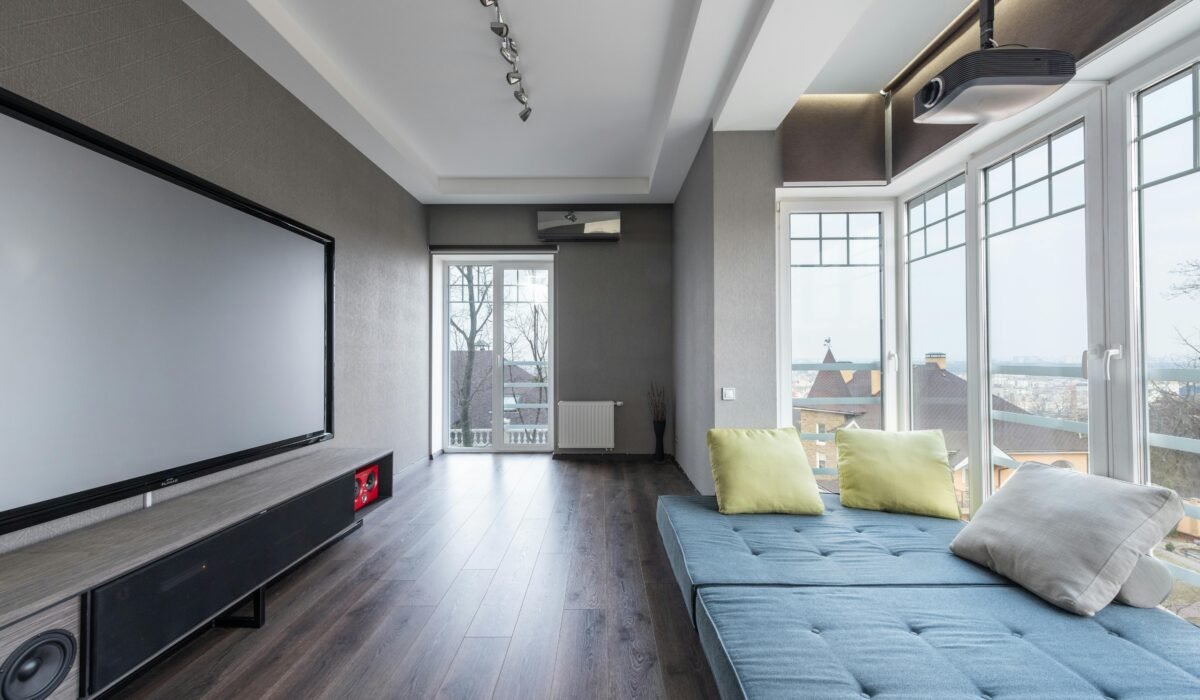
Choosing the best 4K projectors for home theater can transform your entertainment, but navigating the options can feel overwhelming. You’re looking for that perfect blend of stunning visuals, immersive sound, and seamless integration into your living space, and this comprehensive buyer’s guide is designed to cut through the noise, helping you make an informed decision.
Why Invest in a 4K Projector for Your Home Theater?
Investing in a 4K projector for your home theater isn’t just about watching movies; it’s about creating an unparalleled cinematic experience right in your home. The sheer scale and detail that a 4K projector delivers simply can’t be matched by even the largest televisions. According to the Consumer Technology Association, over 70% of households in developed countries now prefer 4K resolution displays, driving a significant surge in demand for these immersive devices.
This isn’t just a niche market either; the global home theater projector market is projected to reach USD 9,594.36 million by 2035, with 4K Ultra HD Projectors holding a substantial 40.7% market share in 2024. What most people miss is that a 4K projector transforms a passive viewing experience into an active, engaging one, making you feel truly part of the action. The jump from standard HD to 4K resolution offers four times the pixels, translating to incredibly sharp images, finer details, and a depth that brings content to life, whether you’re streaming the latest blockbuster or gaming with friends.
Native 4K vs. Pixel Shifting: What’s the Real Difference?
When you’re comparing the best 4K projectors for home theater, you’ll often encounter the terms “native 4K” and “pixel shifting,” and understanding the distinction is crucial for your purchasing decision. The Consumer Technology Association (CTA) officially defines a 4K UHD display as one that can deliver at least 8 million active pixels to the screen, with a minimum resolution of 3840 x 2160. Both native 4K and pixel-shifting projectors aim to meet this standard, but they achieve it in different ways.
Native 4K projectors feature display chips (D-ILA, SXRD, or 3-chip DLP) that inherently contain 3840×2160 pixels, projecting all 8.3 million pixels simultaneously onto the screen. These tend to be at the higher end of the price spectrum, offering the absolute sharpest and most detailed image possible. In contrast, pixel-shifting technology, often powered by Texas Instruments’ XPR (Expanded Pixel Resolution), uses a lower-resolution chip (like 1920×1080 or 2716×1528) and rapidly shifts pixels diagonally multiple times per frame. This high-speed shifting creates the perception of an 8.3-million-pixel 4K image on screen, meeting the CTA’s definition without requiring a native 4K chip. While native 4K offers marginally superior clarity, for most viewers in a typical home theater environment, the difference between native 4K vs pixel shifting is often imperceptible, especially at common viewing distances.
Key Features to Look for in the Best 4K Projectors
Finding the best 4K home theater projector buyer’s guide means understanding the core specifications that truly impact performance. Here’s what you should prioritize to ensure you get the best viewing experience possible.
Brightness (Lumens)
Brightness, measured in lumens, is vital for a clear image, especially if you can’t achieve total darkness in your viewing room. For a dedicated, light-controlled home theater, 1,500 to 2,500 lumens home theater projector output is often sufficient. However, if you plan to watch in a living room with ambient light, you’ll want a projector with 2,500 lumens or more to cut through the brightness. The short answer is, more lumens give you more flexibility with your viewing environment.
Contrast and HDR
High Dynamic Range (HDR) support is a game-changer for 4K projectors, delivering a wider range of colors, brighter highlights, and deeper blacks than standard dynamic range. An excellent HDR projector will make scenes pop with incredible realism and depth. PCMag’s projector experts often highlight models like the Epson Pro Cinema LS12000, which delivers full 3,840 by 2,160 pixels with a 2,700-lumen laser light source and supports HDR10, HDR10+, and HLG HDR, contributing to top-tier image quality.
Lens Type and Throw Ratio
The throw ratio dictates how far the projector needs to be from the screen to produce a certain image size. Standard throw projectors are common, but ultra short throw (UST) 4K projectors are gaining immense popularity, projected to reach USD 6.51 billion by 2033. These innovative projectors can sit just inches from the wall, casting a massive image, making them ideal for smaller rooms or replacing a TV. What most people miss is that UST projectors often integrate smart TV features and built-in sound, offering a complete package.
Light Source (Lamp vs. Laser)
Projectors traditionally use lamps, which require periodic replacement, but modern projectors increasingly feature laser projector benefits. Laser light sources offer significantly longer lifespans (20,000+ hours), instant on/off, consistent brightness over time, and often superior color accuracy. While initial costs for laser projectors can be higher, their longevity and maintenance-free operation often make them more cost-effective in the long run.
Connectivity and Gaming
For gamers, connectivity is paramount, particularly the inclusion of HDMI 2.1 for gaming. This standard supports 4K resolution at 120Hz refresh rates, delivering incredibly smooth motion and responsiveness crucial for competitive play. Look for models with a low input lag 4K projector specification, ideally under 30ms for a truly responsive gaming experience. Gaming-focused projectors like the BenQ X3000i or Sony VPL-XW8100ES are specifically engineered for this, with the latter boasting 12ms input lag for 4K/120fps gaming.
Optimizing Your Room Environment for a 4K Home Theater
The best 4K projectors for home theater won’t perform their best unless paired with an optimized viewing environment. This goes beyond just picking a good projector; it’s about controlling light, choosing the right screen, and even considering your room’s color scheme. The goal is to maximize contrast and color accuracy, allowing your projector to shine.
Effective room light control is perhaps the most critical factor. This means investing in blackout curtains or blinds to eliminate ambient light from windows and ensuring any internal lights can be dimmed or turned off completely. Dark-colored walls and ceilings can also significantly improve perceived contrast by preventing light reflections back onto the screen.
When it comes to the projector screen type, your choice profoundly impacts image quality. For dedicated dark rooms, a matte white screen typically offers the most accurate color reproduction. However, if your room has some ambient light, an Ambient Light Rejecting (ALR) screen is essential. ALR screens are engineered to reflect light coming from the projector back to the viewer while absorbing light from other angles, dramatically improving contrast and black levels in less-than-ideal conditions. Screen size also matters for 4K resolution; while larger is often better for immersion, ensure your screen isn’t so big that you start seeing individual pixels from your viewing distance.
Top 4K Projector Recommendations for Every Budget
To help you narrow down your choices, here are some of the best 4K projectors for home theater, catering to various needs and budgets. These examples demonstrate the range of features and performance you can expect.
- Overall Performance & Value: Epson LS11000/LS12000 Series
These models are frequently praised for their excellent price-to-picture quality ratio, delivering deep black levels, vibrant colors, and long-lasting laser light sources. They are a strong contender for those seeking a high-performance projector without venturing into ultra-premium territory.
- Premium Dedicated Home Theater: JVC DLA-NP5 / NZ500 Series
For the ultimate cinematic experience in a dark, dedicated space, JVC’s projectors offer outstanding image quality, powerful sharpness, vivid colors, and incredible contrast. While they come at a higher price point, they are often considered among the very best for enthusiasts.
- Best Ultra Short Throw 4K Projector: Formovie Theater, Hisense PX2-Pro, LG HU915QE
If you want a massive screen without the installation complexity, these ultra short throw (UST) 4K projectors are fantastic. They produce large images from mere inches away, often include smart TV systems, and boast wide color gamut support (e.g., Hisense PX2-Pro with 107% BT.2020 color space) and built-in soundbars, making them ideal living room solutions.
- Gaming-Focused 4K Projectors: BenQ X3000i, Optoma UHD35, Sony VPL-XW8100ES
Gamers prioritize low input lag and high refresh rates. The BenQ X3000i and Optoma UHD35 offer great performance for the price, while the Sony VPL-XW8100ES is a premium option known for its exceptional 12ms input lag at 4K/120fps, providing an incredibly smooth and responsive gaming experience.
- Affordable 4K Projector Reviews: LG CineBeam Q, BenQ GP520, Hisense M2 Pro
For those on a tighter budget, models like the LG CineBeam Q offer an ultra-compact design, filmmaker mode, and HDR10 support at a more accessible price. The BenQ GP520 also provides significant brightness for its cost, making 4K home theater more attainable.
Future-Proofing Your 4K Projector Purchase
When investing in one of the best 4K projectors for home theater, you naturally want it to remain relevant for years to come. Thinking about future-proofing 4K projector purchases involves considering evolving standards and emerging technologies. While 8K projectors are nascent and extremely expensive, focusing on robust 4K capabilities will serve you well.
The most critical aspect for longevity is ensuring your projector supports the latest connectivity standards, particularly HDMI 2.1 for gaming and high-bandwidth content. This ensures compatibility with upcoming consoles, Blu-ray players, and streaming devices that output 4K at higher refresh rates (like 120Hz) or with advanced HDR formats. Another consideration is the light source; laser projectors, with their extended lifespans, inherently offer more future-proof operation compared to lamp-based models that require regular bulb changes. While you can’t perfectly predict every technological leap, prioritizing high-bandwidth connectivity and durable, advanced light sources will give your projector the best chance of remaining a cornerstone of your home entertainment for years.
4K Projectors vs. 4K TVs: Which is Right for You?
The choice between a 4K projector and a 4K TV for your home theater often boils down to priorities: screen size, ambient light performance, and installation. A 4K projector’s primary advantage is its ability to deliver a truly massive screen size – often 100 inches or more – for a fraction of the cost of a similarly sized 4K TV. This creates an immersive, cinematic experience that even the largest consumer TVs struggle to replicate.
However, 4K TVs generally offer superior performance in rooms with ambient light, maintaining better contrast and brightness due to their self-emissive nature. Projectors, even with ALR screens, typically require more room light control to deliver optimal image quality. Installation is also a factor; a TV is often simpler to set up, while a projector might require careful mounting, cable routing, and screen alignment for the best results. If your priority is the biggest, most cinematic image possible and you can manage ambient light, a 4K projector is likely your best bet. If you value convenience, bright room performance, and don’t need a screen larger than 85-98 inches, a 4K TV might be more suitable.
Essential Accessories for Your 4K Home Theater Setup
Even the best 4K projectors for home theater can’t deliver their full potential without the right supporting cast of accessories. Think of these as the crucial components that complete your immersive experience, ensuring both performance and convenience.
Here are the essential accessories you’ll need:
- Projector Screen: As discussed, the right projector screen type is paramount. Choose between a matte white screen for dark rooms or an Ambient Light Rejecting (ALR) screen for spaces with some ambient light.
- Mounting Solution: Whether it’s a ceiling mount, wall mount, or a dedicated stand for an ultra short throw (UST) 4K projector, ensure it’s sturdy and allows for precise alignment.
- High-Quality HDMI Cables: To fully enjoy 4K resolution, especially with high refresh rates for gaming, you’ll need certified HDMI 2.1 cables. These ensure sufficient bandwidth for 4K/120Hz and advanced HDR formats.
- Sound System: While some UST projectors have decent built-in sound, a dedicated soundbar, AV receiver, and surround sound speakers are essential for a true home theater audio experience.
- Room Light Control: Blackout curtains, blinds, or even painting walls with darker, non-reflective colors will significantly enhance your projector’s contrast and black levels.
- Surge Protector/Power Conditioner: Protect your valuable equipment from power fluctuations and surges.
What most people overlook is the importance of cable management; neatly routed cables not only look better but also prevent potential issues.
Frequently Asked Questions
Is a 4K projector worth it for home theater?
Yes, a 4K projector is absolutely worth it for a home theater if you prioritize a large, immersive cinematic experience. They offer unparalleled screen sizes that TVs cannot match at a comparable price point, delivering stunning detail and depth that truly transforms movie nights and gaming sessions. The experience of a 100-inch-plus 4K image is a game-changer for home entertainment enthusiasts.
How many lumens do I need for a 4K home theater projector?
For a dedicated home theater with excellent light control, 1,500 to 2,500 lumens are usually sufficient to produce a vibrant image. However, if your viewing environment has some ambient light, aiming for a projector with 2,500 lumens or more will help maintain image brightness and contrast. The ideal lumens home theater projector rating depends heavily on your room’s ability to block out external light.
Can a 4K projector replace a TV?
A 4K projector can absolutely replace a TV, especially if your main priority is a giant screen for movies, sports, and gaming. Modern ultra short throw (UST) 4K projectors, in particular, are designed to sit close to the wall and often include smart TV features and built-in sound, making them a direct TV alternative. However, projectors generally perform best in darker rooms, whereas TVs excel in bright environments.
What is the best screen for a 4K projector?
The best screen for a 4K projector depends on your room’s lighting conditions. For dedicated dark rooms, a high-quality matte white screen provides the most accurate color reproduction and widest viewing angles. If your room has ambient light, an Ambient Light Rejecting (ALR) screen is highly recommended, as it significantly boosts contrast and black levels by rejecting off-axis light.
Choosing the best 4K projectors for home theater is a journey towards unparalleled home entertainment, and with the insights from this buyer’s guide, you’re now equipped to make a confident decision. By focusing on key features like true 4K resolution, appropriate brightness, HDR support, and optimizing your room, you can create a truly cinematic experience. Start exploring the recommended models and transform your living space into the ultimate viewing destination today.