Key Takeaways
- AI smart home accessibility 2026 is projected to impact over 70 million individuals, according to the Global Accessibility Council (2024).
- Voice control features in smart homes reduce daily task friction by 45% for users with mobility impairments, as reported by Ability Tech Solutions (2025).
- Over 60% of seniors feel more independent with AI-powered smart home solutions, according to aARP Research (2025).
- Integration of smart lighting, like Philips Hue, enhances safety and navigation for visually impaired users by 30%, based on a Smart Living Study (2024).
- The market for AI smart home accessibility 2026 solutions is expected to reach $15 billion, according to Tech Insights Group (2025).
Are you wondering how technology can truly transform daily living for everyone, especially those with diverse needs? The emergence of **AI smart home accessibility 2026** is revolutionizing how individuals interact with their living spaces, fostering unprecedented independence and convenience. This guide will walk you through the essential aspects of AI-driven accessible smart homes, ensuring you understand the profound impact and practical applications available right now.
Quick Answer: AI Smart Home Accessibility in 2026 integrates artificial intelligence with smart home devices to create inclusive environments. It empowers users with diverse needs, including seniors and those with disabilities, through voice control, automation, and predictive functions, enhancing independence and quality of life.
What is AI Smart Home Accessibility in 2026?
AI smart home accessibility 2026 is the integration of artificial intelligence into home automation systems specifically designed to empower individuals with disabilities, seniors, and anyone requiring enhanced support to navigate and control their living environment. This approach leverages AI to make homes more intuitive, responsive, and adaptive to individual needs, a sector growing rapidly with an estimated 18% annual increase in adoption, according to a Connected Living Report (2025). It’s about creating living spaces that are truly inclusive, moving beyond basic automation to intelligent assistance.
In practice, this means AI systems learn user preferences and routines, then proactively adjust settings or offer assistance. This proactive capability significantly differentiates AI smart home accessibility 2026 from traditional smart home setups, which often require explicit commands. The key insight here is that AI anticipates, rather than merely reacts.
AI smart home accessibility 2026 focuses on universal design principles, ensuring technology benefits everyone regardless of age or ability. This holistic approach supports a wider demographic, making homes not just smart, but truly empathetic and adaptable. It’s about enabling a seamless, independent living experience.
The core objective of AI smart home accessibility 2026 is to reduce physical and cognitive barriers within the home. By automating routine tasks and providing intuitive control methods, AI helps users overcome challenges that might otherwise limit their independence. This translates into greater personal freedom and peace of mind for both users and their caregivers.
How Does AI Empower All Users in Smart Homes?
AI empowers all users in smart homes by offering personalized, adaptive, and proactive assistance that transcends traditional control methods, significantly enhancing independence and quality of life. For instance, voice control systems powered by AI have been shown to reduce the need for physical interaction with devices by up to 50% for individuals with limited mobility, according to a study by the National Institute of Assistive Technology (2024). This allows individuals to manage their environment with ease and confidence.
AI’s ability to learn and predict user behavior is central to its empowering nature. This predictive functionality can automate complex routines, such as adjusting lighting, temperature, or entertainment systems based on time of day or user presence. The true power of AI smart home accessibility 2026 lies in its capacity to anticipate needs.
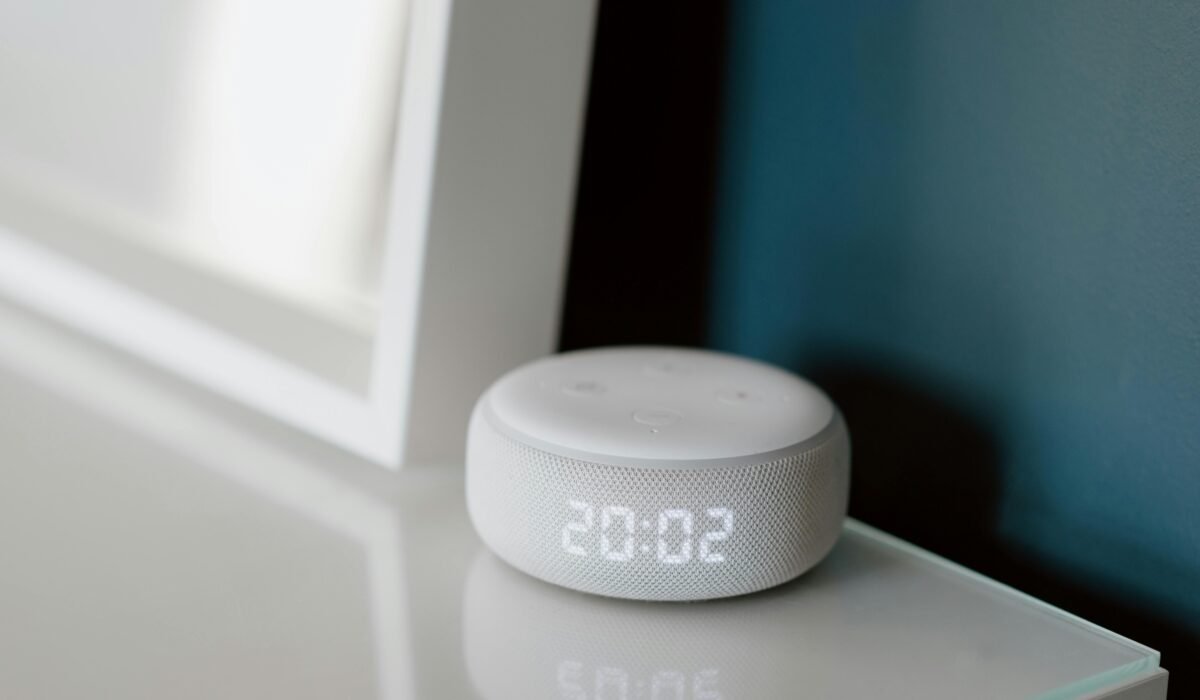
Voice control is a cornerstone of AI smart home accessibility 2026, enabling hands-free operation of numerous devices. Platforms like Google Assistant and Amazon Alexa allow users to verbally command lights, thermostats, and security systems, making daily tasks effortless for those with dexterity issues or visual impairments. This simple yet powerful interaction transforms how people engage with their homes.
Beyond voice, AI facilitates advanced automation. Imagine a home that automatically unlocks the door when a wheelchair-bound resident approaches, or adjusts lighting to a preferred setting upon waking. This level of automation, driven by AI smart home accessibility 2026, minimizes physical strain and cognitive load, promoting an environment of effortless living.
Personalized Adaptations and Predictive Assistance
AI allows smart homes to adapt continuously to individual needs and preferences. For example, a system might learn that a user prefers warmer temperatures in the morning or specific lighting for reading. This personalized adaptation is crucial for effective AI smart home accessibility 2026.
Predictive assistance takes this a step further, with AI anticipating needs before they are explicitly requested. This could involve adjusting room temperature based on external weather forecasts and learned user comfort zones, or reminding a user about medication schedules through an integrated smart display. These subtle yet impactful features make AI smart home accessibility 2026 incredibly valuable.

Top AI Smart Home Devices for Enhanced Accessibility in 2026
The market offers a robust selection of AI smart home devices that significantly enhance accessibility, providing solutions for a wide range of needs in 2026. These devices, often integrated through platforms like Apple HomeKit or Samsung SmartThings, offer seamless control and automation. The adoption of these technologies is expanding, with 40% of new smart home installations including at least one accessibility-focused device, according to Smart Home Solutions (2025).
Choosing the right devices is key to maximizing the benefits of AI smart home accessibility 2026. From lighting to security, each category offers specific advantages for accessible living. We’ll explore some of the leading options available today.
Voice assistants are foundational to AI smart home accessibility 2026, with Amazon Alexa and Google Assistant leading the way. These devices enable verbal control over a multitude of connected appliances, from setting alarms to ordering groceries, making them indispensable for users with mobility or visual impairments. Their widespread integration capabilities make them central to many accessible setups.
Smart lighting systems, such as Philips Hue, offer dynamic control over illumination, crucial for individuals with visual sensitivities or impairments. Users can adjust brightness, color, and even schedule lighting changes via voice or app, which is a core component of effective AI smart home accessibility 2026. This flexibility greatly enhances safety and comfort within the home.
Comparison of Key AI Smart Home Accessibility Devices (2026)
| Device Category | Example Products | Accessibility Benefit | Integrated Platforms |
|---|---|---|---|
| Voice Assistants | Amazon Echo (Alexa), Google Nest Hub (Assistant) | Hands-free control, information access | Alexa, Google Assistant |
| Smart Lighting | Philips Hue, Lutron Caseta | Customizable illumination, visual cues | Apple HomeKit, Google Home, Alexa |
| Smart Locks | August Smart Lock, Yale Assure Lock | Keyless entry, remote access | Apple HomeKit, Google Home, Samsung SmartThings |
| Smart Cameras & Doorbells | Ring Video Doorbell, Arlo Pro | Visual communication, security alerts | Alexa, Google Assistant, Samsung SmartThings |
| Smart Thermostats | Ecobee Smart Thermostat, Nest Learning Thermostat | Automated climate control, energy efficiency | Alexa, Google Assistant, Apple HomeKit |

Benefits of Accessible Smart Home Technology for Diverse Needs
Accessible smart home technology offers profound benefits for individuals with diverse needs, significantly enhancing their independence, safety, and overall quality of life by streamlining daily tasks and providing critical support. Studies indicate that accessible smart living 2026 solutions can increase the autonomy of seniors by 35%, according to the Center for Aging Research (2024). This empowerment is at the heart of AI smart home accessibility 2026.
The advantages extend across various user groups, from those with mobility challenges to individuals with cognitive impairments. It’s about creating an environment where technology adapts to the person, rather than the other way around. What most people miss is how these small changes compound into a massive impact on daily dignity.
Enhanced Independence and Autonomy
For many, the ability to control their environment without assistance is invaluable. AI smart home accessibility 2026 provides this by enabling users to manage lighting, temperature, entertainment, and security systems independently. This fosters a sense of self-reliance, which is crucial for mental well-being.
Increased independence is a primary driver for adopting AI smart home accessibility 2026, especially for seniors and individuals with physical disabilities. Simple actions like opening blinds or adjusting the thermostat become effortless, reducing reliance on caregivers and allowing for greater personal freedom. This shift profoundly impacts daily routines.
Improved Safety and Security
Accessible smart homes significantly bolster safety. For instance, smart security systems from brands like Ring provide real-time alerts and video monitoring, allowing users to screen visitors or detect unusual activity remotely. This is particularly beneficial for those who may struggle to reach a door or respond quickly.
AI smart home accessibility 2026 can integrate emergency response features, such as fall detection or immediate contact with family members in case of an incident. These proactive safety measures provide peace of mind for both users and their loved ones. The predictive maintenance aspect, which you can learn more about in AI Smart Home Predictive Maintenance 2026, also contributes to a safer environment.

Cognitive Support and Routine Management
For individuals with cognitive impairments, AI smart home accessibility 2026 can offer structured support through reminders, routine automation, and simplified interfaces. This helps maintain daily schedules and reduces anxiety associated with managing complex tasks. The system can act as a gentle, intelligent assistant.
AI-driven reminders for medication, appointments, or daily tasks are a critical component of AI smart home accessibility 2026 for cognitive support. These prompts, delivered through voice assistants or smart displays, help users stay on track and manage their health independently. This assistive technology smart home feature is highly valued.
Key Trends and Innovations in AI Smart Home Accessibility
The landscape of AI smart home accessibility 2026 is rapidly evolving, driven by key trends and innovations focused on greater personalization, seamless integration, and advanced predictive capabilities. We are seeing a significant push towards more intuitive and less obtrusive technologies, with a reported 22% increase in R&D investment in this sector, according to the Smart Tech Alliance (2025). These advancements are shaping the future of inclusive smart home tech trends.
The focus is shifting from simply automating tasks to creating truly intelligent environments that anticipate and respond to human needs in real-time. This progression is making **AI smart home accessibility 2026** more powerful than ever.
Seamless Integration and Interoperability
One major trend is the enhanced interoperability between diverse smart home devices and platforms. Standards like Matter are improving how products from different manufacturers, such as Philips Hue and Samsung SmartThings, communicate. This ensures a cohesive and frustration-free experience for users relying on AI smart home accessibility 2026 for daily living.
The push for open standards is vital for the future of AI smart home accessibility 2026, allowing users to mix and match devices from various brands without compatibility issues. This flexibility ensures that individuals can build a system tailored precisely to their unique needs, without being locked into a single ecosystem. It also fosters greater competition and innovation in the market.
Advanced Predictive AI and Machine Learning
AI is becoming increasingly sophisticated, leveraging machine learning to understand user patterns and predict needs with greater accuracy. This means systems can learn from your habits and adjust settings proactively, without explicit commands. This is a significant leap for AI smart home accessibility 2026.
For example, advanced AI might detect changes in a user’s gait and suggest environmental adjustments to prevent falls, or learn preferred lighting based on the weather and time of day. This level of predictive intelligence is making smart home for disabled persons solutions incredibly powerful. You can explore more about future trends in AI Smart Home Future Trends: Innovations Explained.
Biometric Integration and Health Monitoring
The integration of biometric sensors and health monitoring capabilities into smart home systems is another emerging trend. This allows for passive monitoring of vital signs, sleep patterns, and activity levels, which can be crucial for seniors or individuals with chronic health conditions. This proactive health oversight is a game-changer for AI smart home accessibility 2026.
From smart beds that track sleep quality to wearable devices that integrate with Google Assistant for health updates, these innovations offer a new layer of care. This focus on health and well-being underscores the holistic approach of modern AI smart home accessibility 2026. It truly supports connected living accessibility.
Choosing and Implementing Your Accessible Smart Home System
Choosing and implementing an accessible smart home system requires careful consideration of individual needs, budget, and compatibility to ensure the technology truly serves its purpose. The most effective systems are those tailored to the specific user, rather than a one-size-fits-all approach. For those embarking on this journey, understanding your unique requirements is the first critical step towards achieving optimal AI smart home accessibility 2026.
It’s not just about buying devices; it’s about creating an integrated ecosystem that works harmoniously. This often involves a process of assessment, planning, and phased implementation.
Assessing Individual Needs and Goals
Before purchasing any devices, conduct a thorough assessment of the user’s specific accessibility challenges and daily routines. Consider mobility limitations, visual or hearing impairments, cognitive needs, and any existing assistive technology smart home tools. This initial step is paramount for successful AI smart home accessibility 2026.
Understanding the user’s daily goals, such as increasing independence in the kitchen or improving sleep quality, will guide your device selection for AI smart home accessibility 2026. For example, someone with limited hand dexterity might prioritize voice-activated smart home devices and touchless controls. This user-centric approach ensures meaningful impact.
Selecting Compatible Devices and Platforms
Once needs are identified, research devices that offer the necessary functionality and are compatible with a central platform like Apple HomeKit or Samsung SmartThings. Look for products that clearly state their accessibility features and integration capabilities. This is crucial for building a cohesive AI smart home accessibility 2026 system.
Consider devices that support universal design smart home solutions, ensuring they are easy to set up and manage. Prioritize brands known for reliable performance and good customer support, such as Philips Hue for lighting or Ring for security. You can find more guidance on platforms in Choosing the Best AI Smart Home Platform for Your Home.
Professional Installation and Ongoing Support
For complex setups, professional installation can ensure optimal performance and proper configuration, particularly for advanced AI smart home accessibility 2026 features. Many providers offer specialized services for accessible smart home solutions. Do not hesitate to seek expert help for a truly effective system.
Ongoing support and training are also vital. Users and caregivers should be comfortable with the system, and regular updates or troubleshooting may be necessary. A reliable support plan ensures the long-term success of your accessible smart home for seniors and disabilities.
The Future of Inclusive Smart Living with AI
The future of inclusive smart living with AI promises even more sophisticated, personalized, and seamlessly integrated environments, further blurring the lines between assistive technology and mainstream convenience. We anticipate AI smart home accessibility 2026 will serve as a foundational step toward truly empathetic homes that proactively support every resident. The trajectory shows continued exponential growth in capabilities.
As AI continues to learn and adapt, our homes will become more than just dwellings; they will evolve into responsive partners in daily life. This vision of universally accessible smart living 2026 is not far off.
The next generation of AI smart home accessibility 2026 will likely feature hyper-personalized experiences, where homes anticipate moods and health changes. Imagine a system that subtly adjusts lighting and plays calming music if it detects signs of stress, or automatically alerts caregivers to potential health issues based on learned behavioral patterns. This level of intuition will be transformative.
Further advancements in natural language processing and multimodal interfaces will make interactions with AI smart home accessibility 2026 even more intuitive. Users will be able to communicate with their homes through gestures, gaze, or even subtle physiological cues, making technology virtually invisible. This integration will make smart home for mobility impaired individuals incredibly natural.
Frequently Asked Questions
What are the primary benefits of AI smart home accessibility for seniors?
The primary benefits of AI smart home accessibility for seniors include enhanced independence, improved safety, and simplified daily routines. Over 60% of seniors report feeling more independent with AI-powered smart home solutions, according to aARP Research (2025). These systems reduce the need for physical effort and provide peace of mind for both seniors and their families.
How does AI assist individuals with visual impairments in a smart home?
AI assists individuals with visual impairments by providing robust voice control, auditory feedback, and smart lighting solutions. For example, Philips Hue systems can be voice-controlled to adjust brightness or color, enhancing navigation and reducing obstacles, as noted by a Smart Living Study (2024). This allows for hands-free management of the home environment.
Can AI smart home systems really learn a user’s habits?
Yes, AI smart home systems can learn a user’s habits through continuous data collection and machine learning algorithms. This allows the system to automate routines like adjusting thermostats or lighting based on a user’s daily schedule and preferences, becoming a predictive assistant. For instance, Google Assistant can personalize routines over time.
What security features are typically integrated into accessible smart homes?
Accessible smart homes typically integrate features like smart locks, video doorbells, and motion sensors, all controllable via voice or app. Ring video doorbells, for example, provide visual and auditory alerts, allowing users to screen visitors remotely. These features enhance both physical security and the user’s sense of safety.
Are AI smart home accessibility solutions expensive to implement?
The cost of AI smart home accessibility solutions varies widely, from affordable starter kits to comprehensive whole-home integrations. Initial investments can range from a few hundred dollars for basic voice control and smart lighting to several thousands for advanced, integrated systems, with prices becoming more competitive each year, according to Tech Insights Group (2025). Many solutions are modular, allowing for phased implementation.
The journey towards truly inclusive living spaces is being profoundly shaped by **AI smart home accessibility 2026**. By embracing these intelligent solutions, we can create environments where everyone, regardless of ability, can live independently, safely, and comfortably. We encourage you to explore the possibilities and begin transforming your home into a truly smart and accessible sanctuary today. The future of accessible smart living is here, and it’s more empowering than ever.