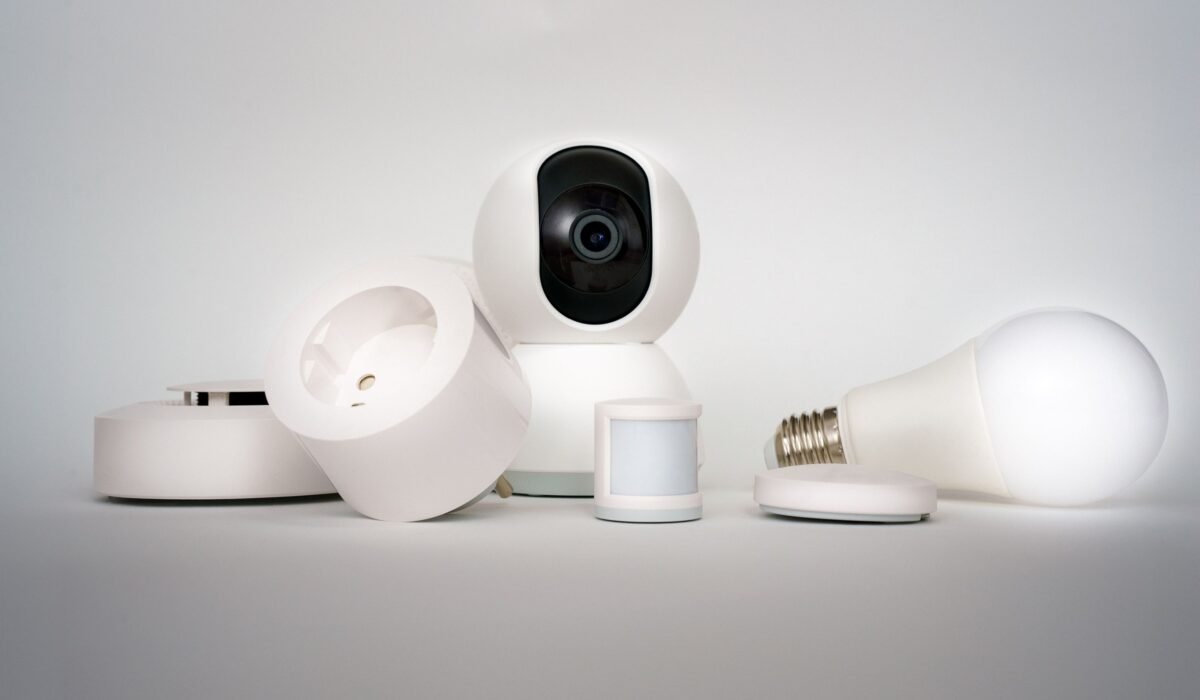
Ever wonder how to get all your smart gadgets talking to each other, truly working as one intelligent system? Achieving seamless and Future-Proof AI Smart Home Integration can feel complex, but it’s the key to unlocking unparalleled convenience, efficiency, and security in your living space. This guide will demystify the process, offering actionable strategies and insights to connect your devices flawlessly and leverage advanced AI for a truly smart home experience.
What is AI Smart Home Integration and Why Does it Matter?
AI smart home integration goes beyond simple automation, connecting various devices and systems to create an intelligent, responsive environment that learns and adapts to your needs. It’s about bringing together smart lighting, thermostats, security cameras, and entertainment systems under a unified control, often managed by a central smart home hub with AI.
This level of integration matters because it transforms your home from a collection of isolated gadgets into a cohesive, proactive assistant. Instead of manually adjusting each device, your home anticipates your actions and preferences, offering unparalleled convenience and efficiency. According to Grand View Research, the global smart home market is projected to reach USD 537.27 billion by 2030, underscoring the growing importance of these interconnected systems.
How Does AI Enhance Your Smart Home Experience?
AI elevates basic home automation into a truly intuitive experience by enabling devices to learn, predict, and respond intelligently. It’s the brain behind the brawn, turning simple commands into complex, personalized actions. What most people miss is that AI isn’t just about voice control; it’s about the intelligence that makes your home truly smart.
Predictive Automation and Personalization
Predictive AI in smart home systems uses algorithms to analyze your routines, preferences, and environmental factors. For example, AI-driven thermostats like Nest and Ecobee learn your heating and cooling habits, adjusting temperatures proactively to save energy without you lifting a finger. This level of personalization creates a living space that feels tailor-made for you.
CEDIA highlights that pairing smart home technology with AI unlocks greater personalization, improved energy efficiency, enhanced security, and hands-free convenience. This goes far beyond basic scheduling, adapting to real-time changes like weather patterns or your spontaneous decision to stay home.
Enhanced Security and Safety
AI in smart home security systems brings sophisticated threat detection to the forefront. Cameras with computer vision, like the Arlo Pro 6, can differentiate between pets, packages, and potential intruders, significantly reducing false alarms. This intelligent analysis means you only get alerts that truly matter.
Beyond traditional security, AI contributes to safety by monitoring for unusual activity or environmental changes. This proactive monitoring ensures your home is not just convenient, but also a safer place for everyone, addressing concerns about security vulnerabilities reported by 46% of Americans according to AHS.
Choosing the Best Smart Home Devices for AI Integration
Selecting the right devices is crucial for building a cohesive and intelligent smart home ecosystem. Think of it like assembling an orchestra: each instrument needs to play well with the others, and the conductor (your AI hub) needs to understand them all. The best AI smart home devices are those that offer broad compatibility and robust AI features.
Key Device Categories and Examples
When starting or expanding your smart home, focus on devices that offer strong AI capabilities and seamless integration. Here are some top categories:
- Smart Speakers/Displays: Amazon Alexa (Echo speakers) and Google Assistant (Nest Hub) are primary interfaces, offering voice control and acting as central command centers. Apple HomeKit, integrated with HomePod Mini, offers similar functionality with a focus on privacy.
- Smart Thermostats: Devices like Nest and Ecobee Premium utilize AI to learn your preferences and optimize energy usage, even functioning as security hubs.
- AI Security Cameras: Arlo Pro 6 cameras, with their AI detection features, can intelligently identify different types of motion, enhancing security without constant false alarms.
- Smart Lighting: Philips Hue and GE Cync Dynamic Effects Smart Bulbs offer advanced color control and integrate with major voice assistants, allowing for AI-driven ambiance changes.
- Robot Vacuums: Many modern robot vacuums use AI for navigation, mapping, and even identifying debris types, making cleaning smarter and more efficient.
When selecting devices, always check their compatibility with your chosen smart home hub with AI and preferred communication protocols. This ensures that your new gadgets will truly integrate into your existing AI home automation systems.
Achieving Seamless Connectivity: Interoperability Standards & Troubleshooting
The promise of a truly smart home hinges on devices communicating effortlessly, regardless of brand. However, smart home interoperability challenges are a common hurdle. Understanding connectivity standards and knowing how to troubleshoot is essential for achieving true seamless connectivity.
Understanding Interoperability Standards
Different smart devices speak different digital languages, known as protocols. Here’s a breakdown of the key players:
- Wi-Fi: Ubiquitous for high-bandwidth devices like cameras and smart TVs, but can consume more power and bandwidth.
- Bluetooth: Ideal for short-range, low-power connections, often used for direct device-to-phone pairing or local controls.
- Zigbee & Z-Wave: These mesh networking protocols are designed specifically for smart home devices, offering low power consumption, reliability, and extended range through device-to-device communication. Samsung SmartThings hubs are renowned for supporting multiple protocols like these.
- Matter: The newest standard, championed by the Connectivity Standards Alliance, aims to unify these disparate protocols, allowing devices from different brands to communicate directly and reliably. It’s a game-changer for reducing smart home connectivity issues.
In practice, a robust smart home often utilizes a mix of these. Your smart home hub with AI acts as the translator, bridging these different languages to create a unified system. For example, an Amazon Alexa or Google Home hub can often speak Wi-Fi, Bluetooth, and sometimes Zigbee, allowing it to control a wide array of devices.
Troubleshooting Common Connectivity Issues
Even with the best planning, smart home connectivity issues can arise. Here’s a practical approach to resolving them:
- Check Your Network: A weak Wi-Fi signal is often the culprit. Ensure your router is centrally located and consider a mesh Wi-Fi system for larger homes.
- Reboot Devices: A simple restart of the problematic device, your smart home hub, or even your router can often resolve temporary glitches.
- Firmware Updates: Always keep your devices and hub updated. Manufacturers frequently release updates that improve stability and compatibility.
- Interference: Other electronics, thick walls, or even neighboring Wi-Fi networks can interfere with signals. Try moving devices slightly or changing Wi-Fi channels.
- Device Limits: Some routers have limits on the number of connected devices. If you have many smart gadgets, this could be causing drops.
For more in-depth solutions, consulting dedicated resources like AI Smart Home Troubleshooting: Fix Common Issues can provide specific guidance for persistent problems.
Beyond Automation: Advanced AI Use Cases for Your Smart Home
While basic automation is convenient, advanced AI use cases unlock a truly transformative smart home experience. We’re moving beyond simple “if this, then that” rules to systems that proactively enhance your living.
Generative AI for Smart Home Customization
Imagine your smart home hub with AI creating complex routines based on your evolving lifestyle just by understanding natural language requests. Generative AI smart home systems, leveraging large language models (LLMs), will soon allow you to say, “Set up my home for a relaxing evening with friends,” and have it adjust lighting, music, and climate, even suggesting new automations based on past preferences. Gartner predicts that GenAI-enabled virtual assistants will reshape user experiences across fragmented smart home products, offering unparalleled customization.
Edge AI vs. Cloud AI for Privacy and Performance
The choice between processing data locally (Edge AI smart home) and in the cloud significantly impacts privacy and performance. Edge AI processes data directly on the device, offering faster response times and enhanced data privacy, as sensitive information like camera footage or voice commands never leaves your home. For instance, some smart security cameras now perform facial recognition on-device.
Cloud AI, while powerful for complex tasks requiring vast datasets, raises valid privacy concerns. Marcus Thorne, a Smart Home Systems Architect, notes that “the critical decision factor is now data privacy, driving a massive shift toward local-first AI hubs that keep sensitive footage and voice data off the cloud.” Understanding this distinction is key to building a secure and responsive system. For a deeper dive into local processing, explore Edge Computing Beginner’s Guide: Local Processing Demystified.
AI for Accessibility and Elderly Care
AI offers profound benefits for accessibility and assisted living. Systems can use mmWave (Millimeter Wave) Presence Sensors for discreet fall detection or to monitor sleep patterns, providing peace of mind without intrusive cameras. AI can also adapt interfaces for users with disabilities, enabling voice control for those with mobility challenges or visual cues for the hearing impaired. This is a powerful demonstration of how AI can improve quality of life, making smart homes truly accessible.
Future-Proofing Your AI Smart Home: The Role of Matter and Beyond
Investing in a smart home means thinking long-term. With technology evolving rapidly, ensuring your system remains compatible and supported is paramount. The concept of Future-Proof AI Smart Home Integration isn’t just a buzzword; it’s a strategic approach to building a resilient ecosystem.
The Matter Smart Home Standard
The Matter smart home standard is arguably the most significant development for future-proofing your AI smart home. Backed by tech giants like Apple, Google, Amazon, and Samsung, Matter aims to provide a unified, open-source connectivity standard for smart home devices. This means devices from different brands will be able to communicate seamlessly, reducing smart home interoperability challenges.
Choosing devices that are Matter-certified ensures they will integrate with a broader range of future products and platforms, protecting your investment. Gartner emphasizes that “interoperable connectivity” is a key trend reshaping user experiences across fragmented smart home products, and Matter is at the heart of this transformation.
Embracing Open-Source and Modular Systems
For ultimate flexibility and longevity, consider platforms like Home Assistant. This open-source solution allows tech-savvy users deep customization and control, integrating with Google Nest, Amazon Alexa, and Apple HomeKit, even controlling devices not natively certified by them. Modular systems, where components can be easily upgraded or replaced, also contribute to future-proofing, allowing you to adapt to new technologies without overhauling your entire setup.
Navigating Privacy & Security in Your AI Smart Home
As our homes become smarter, the importance of privacy and security grows exponentially. Data privacy is a top concern for 57% of Americans, with 1 in 3 worrying about devices recording without permission, according to AHS. A truly smart home must also be a secure home.
Protecting Your Data and Devices
Securing your AI smart home starts with fundamental practices. Always use strong, unique passwords for your Wi-Fi network and all smart devices. Enable two-factor authentication (2FA) wherever possible, adding an extra layer of security against unauthorized access. Regularly review the privacy settings of your smart home apps and devices, understanding what data is being collected and how it’s being used.
Consider the implications of cloud-based services versus Edge AI smart home solutions, which process data locally. Opting for devices that offer local processing for sensitive data, like security camera footage or voice commands, can significantly enhance your privacy posture. Josh.ai, for example, prioritizes data protection for luxury smart homes.
Staying Informed and Proactive
The landscape of smart home security is constantly evolving. Stay informed about potential vulnerabilities and best practices by following reputable technology news and security advisories. Regularly update your devices’ firmware, as these updates often include critical security patches. Remember, a robust AI smart home integration isn’t just about convenience; it’s about building a trusted and secure environment.
Optimizing Your AI Smart Home Setup for Peak Performance
Once your devices are integrated, the goal shifts to maximizing their efficiency and responsiveness. Optimizing your AI smart home setup ensures you get the most out of your investment, providing a truly seamless and intelligent living experience.
Network Health and Device Placement
A strong and stable Wi-Fi network is the backbone of any high-performing smart home. Invest in a reliable router, or better yet, a mesh Wi-Fi system to eliminate dead zones and ensure consistent connectivity across all your devices. Proper device placement also matters; avoid obstructions for wireless signals and ensure your smart home hub with AI is centrally located.
Reliability issues are a significant pain point for nearly half of users, often due to Wi-Fi and internet connectivity problems, according to Security.org. Proactively addressing network health can prevent many common smart home connectivity issues and significantly improve overall performance.
Refining Automations and Routines
Regularly review and refine your AI home automation systems and routines. As your habits change, so too should your smart home’s responses. Use the data collected by your AI-driven devices to create more precise and efficient automations. For instance, if your smart thermostat learns you’re often home earlier on Fridays, adjust its predictive heating schedule.
Leverage advanced features like conditional logic (e.g., “if motion detected AND it’s dark, then turn on light”) to create more intelligent and nuanced interactions. This continuous optimization ensures your Future-Proof AI Smart Home Integration remains perfectly aligned with your lifestyle, delivering peak performance and convenience.
Frequently Asked Questions
How does AI enhance today’s smart home experience?
AI enhances the smart home experience by enabling devices to learn, predict, and adapt to your preferences and routines, moving beyond simple automation. This results in greater personalization, improved energy efficiency, enhanced security through intelligent detection, and hands-free convenience, making your home truly proactive and intuitive.
What are the best smart home devices for AI integration?
The best smart home devices for AI integration are those with robust AI features and broad compatibility with major ecosystems and standards like Matter. Key categories include AI-driven smart speakers (e.g., Amazon Echo, Google Nest Hub), learning thermostats (Nest, Ecobee), AI security cameras (Arlo Pro 6), and smart lighting systems (Philips Hue) that offer intelligent control and automation capabilities.
How do smart home devices connect with each other?
Smart home devices connect using various wireless protocols such as Wi-Fi, Bluetooth, Zigbee, and Z-Wave, often managed through a central smart home hub with AI. The emerging Matter smart home standard aims to unify these disparate protocols, allowing devices from different brands to communicate seamlessly and reliably, simplifying the integration process.
What are the security implications of smart home devices?
The security implications of smart home devices include concerns about data privacy, potential security vulnerabilities, and unauthorized recording. To mitigate these risks, users should employ strong passwords, enable two-factor authentication, regularly update device firmware, and consider devices that offer local (Edge AI) processing for sensitive data to keep it off the cloud.
Building a truly Future-Proof AI Smart Home Integration is an ongoing journey, but a rewarding one. By understanding interoperability, embracing advanced AI, and prioritizing security, you can create a resilient, intelligent, and personalized living space. Start by evaluating your current devices and identifying areas where AI can bring the most value, then gradually expand your system for a home that truly understands and anticipates your needs.