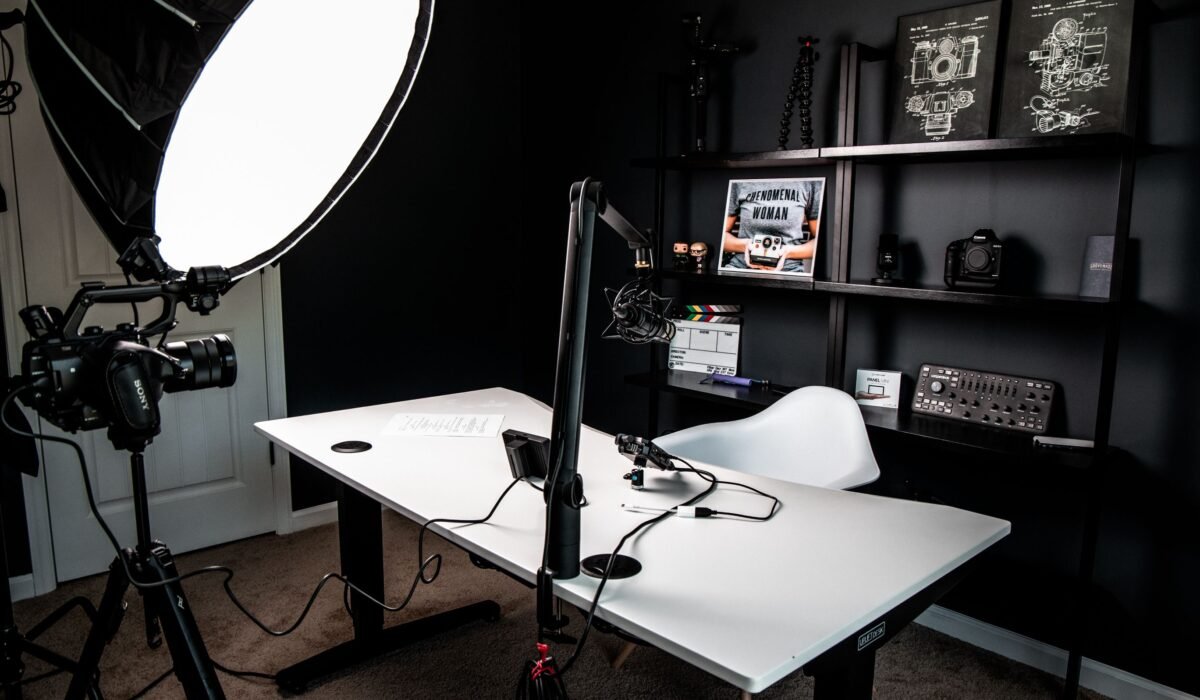
Key Takeaways
- 91% of consumers say video quality impacts their trust in a brand.
- Pages with video are about 53x more likely to rank on the first page of Google search results.
- Global online video audiences are expected to reach roughly 3.48 billion viewers in 2026.
- Video accounts for 82% of all internet traffic in 2025.
- Getting studio-worthy results at home has become much easier with the best video recording tools in 2026.
Quick Answer: Optimize lighting with natural or artificial sources, use external microphones for clear audio, choose a clean background, stabilize your camera with a tripod, and utilize higher resolution settings to enhance home recording video quality. Investing in the right software like OBS Studio and basic equipment can significantly elevate your production value.
How can I improve my home recording video quality?
The burning question for many creators, presenters, and remote workers is: how can I significantly enhance home recording video quality without breaking the bank or needing a professional studio? You’re not alone in wanting to make your videos look and sound more polished. Fortunately, achieving professional video quality at home is more accessible than ever before. By focusing on key elements like lighting, audio, background, camera settings, and post-production, you can dramatically elevate your output. This guide will walk you through the essential steps to enhance home recording video quality, ensuring your message resonates clearly and professionally.
Pages with video are about 53x more likely to rank on the first page of Google search results, making the effort to enhance home recording video quality a worthwhile investment for visibility. Understanding the core principles is the first step to making your content stand out.
The Core Pillars of Better Video
To truly enhance home recording video quality, you need to address several interconnected areas. Think of it like building a house; each component is vital for the overall structure and appeal. We’ll break down how to improve home video quality by focusing on the foundational elements that make the biggest difference.
What most people miss is that even the best camera can produce poor results with bad lighting or audio. Prioritizing these often-overlooked aspects is crucial to enhance home recording video quality effectively.
Leveraging Essential Tools
Several tools are invaluable for anyone looking to enhance home recording video quality. For recording and streaming flexibility, OBS Studio is a powerful, free, open-source option that offers extensive customization. For high-quality remote interviews and recordings, Riverside.fm provides local recordings of video and audio for each participant, ensuring maximum quality. These platforms are designed to help you achieve better results and enhance home recording video quality.
The global Video Recording Software Market is projected to hit USD 2.5 billion by the end of 2025, indicating a massive demand for tools that help creators and businesses enhance home recording video quality.
What are the best lighting techniques for home videos?
The best lighting techniques for home videos involve creating a well-lit scene that makes your subject clear and engaging, thereby helping to enhance home recording video quality. Good lighting can transform a mediocre recording into something that looks professional and polished. It’s often said that lighting is 80% of video production, and for good reason; it directly impacts clarity, mood, and overall viewer perception.
Poorly lit videos are a primary reason viewers click away; statistics show that 91% of consumers say video quality impacts their trust in a brand, and lighting is a huge part of that. To enhance home recording video quality, you must master light.
Understanding Light Sources
You have two primary sources to enhance home recording video quality: natural light and artificial light. Natural light from a window can be excellent, providing a soft, diffused illumination. Position yourself facing the window, not with it behind you, to avoid becoming a silhouette. This simple setup can significantly enhance home recording video quality.
When using natural light, avoid direct sunlight, which can create harsh shadows. Overcast days often provide the most flattering, even light for recording.
Artificial Lighting Setup
For more control and consistency, artificial lighting is essential. A simple three-point lighting setup is a great way to enhance home recording video quality. This involves a key light (main light source), a fill light (to soften shadows), and a back light (to separate you from the background).
A ring light is a popular and effective tool for creators looking to enhance home recording video quality, especially for close-ups. It provides even, shadowless illumination directly on your face. Many affordable options are available that can make a significant difference.
Avoiding Common Lighting Mistakes
One of the most common mistakes that detracts from video quality is backlighting. This occurs when the primary light source is behind you, making you appear dark or silhouetted. To enhance home recording video quality, ensure your main light source is in front of you.
Harsh shadows on the face can also be distracting. Using diffused light sources, like softboxes or bouncing light off a wall, helps to create a more flattering and professional look, which is key to enhance home recording video quality.
How to achieve professional audio quality for home recordings?
Achieving professional audio quality for home recordings is paramount to truly enhance home recording video quality, as viewers are often more forgiving of visual imperfections than poor sound. “Audio quality is key; it is even more important than your video quality,” states Gabriella Poznansky, Digital Content and Communications Officer, DSC (May 25, 2022). If your audience can’t hear you clearly, they’ll likely stop watching, regardless of how good your video looks.
To enhance home recording video quality, you must prioritize clear, crisp audio. This means moving beyond your device’s built-in microphone.
The Importance of External Microphones
Your laptop or smartphone’s microphone is designed for convenience, not professional audio. To significantly enhance home recording video quality, invest in an external microphone. Options range from USB microphones that plug directly into your computer to specialized kits for mobile devices.
The Shure MV88+ Video Kit is an excellent example of a mobile recording solution that includes a high-quality microphone, tripod, and app, making it easier to enhance home recording video quality with superior sound. This all-in-one kit is designed for creators on the go.
Microphone Placement and Techniques
Once you have an external microphone, proper placement is crucial to enhance home recording video quality. For most voice recordings, positioning the microphone about 6-12 inches from your mouth is ideal. Experiment to find the sweet spot that captures your voice clearly without sounding too boomy or distant. This attention to detail will help enhance home recording video quality.
Using a pop filter or windscreen can further improve audio clarity by reducing plosive sounds (like ‘p’ and ‘b’ sounds) that can cause unwanted pops and thuds. This simple accessory is a must-have to enhance home recording video quality.
Controlling Your Recording Environment
Background noise can severely degrade your audio and undermine efforts to enhance home recording video quality. Record in the quietest space possible. Turn off fans, air conditioners, and close windows to minimize external distractions. Even small steps can make a big difference in enhancing home recording video quality.
Consider using acoustic treatment, even if it’s DIY. Hanging blankets on walls or using thick curtains can help absorb sound reflections and echoes, leading to cleaner audio and a more professional sound to enhance home recording video quality.
What’s the best background setup for enhancing video quality?
The best background setup for enhancing video quality involves creating a visually appealing and uncluttered space that complements, rather than distracts from, your content. A professional background signals that you take your presentation seriously and helps viewers focus on you. It’s a critical component when you aim to enhance home recording video quality.
A clean background is essential; studies show that viewers form opinions about content creators based on their visual presentation, so making an effort here will help enhance home recording video quality. Global online video audiences are expected to reach roughly 3.48 billion viewers in 2026, so making a good impression is vital.
Simplicity is Key
Often, the most effective background is a simple, clean one. A plain wall, a bookshelf with neatly arranged items, or a subtly decorated space can work wonders. The goal is to avoid visual clutter that competes for the viewer’s attention. This simplicity is fundamental to enhance home recording video quality.
When choosing a background, consider what it says about you or your brand. A well-organized bookshelf might convey knowledge and professionalism, which can enhance home recording video quality.
Creating Depth and Interest
While simplicity is important, a completely flat background can sometimes make your video look amateurish. Adding a sense of depth can significantly enhance home recording video quality. This can be achieved by placing objects at different distances from the camera or by using a background that naturally has some dimension.
For instance, placing a plant or a piece of art a few feet behind you can create a pleasing visual separation. This technique adds a professional touch and helps enhance home recording video quality.
Avoiding Common Background Pitfalls
One of the biggest mistakes is having a distracting background, such as a messy room or a window with a bright, blown-out view behind you. These elements pull focus away from the subject and detract from your efforts to enhance home recording video quality. Always check your background before you start recording.
Ensure there’s nothing behind you that could be embarrassing or unprofessional. If you’re recording in a shared space, use a temporary backdrop or screen to create a dedicated recording area and enhance home recording video quality.
Which camera settings and equipment boost home video quality?
Choosing the right camera settings and equipment is fundamental to boost home video quality and enhance home recording video quality. While a high-end camera isn’t always necessary, understanding how to use your existing equipment and what upgrades make the most impact can be a game-changer. This section covers essential gear and settings to help you enhance home recording video quality.
The right tools and settings can make a significant difference; for example, the Logitech BRIO webcam is frequently cited as a product that produces stunning clarity, directly helping to enhance home recording video quality for video calls and recordings.
Choosing the Right Camera
Most modern smartphones have cameras capable of shooting excellent video. For enhanced quality, consider using a dedicated webcam like the Logitech BRIO or even a DSLR or mirrorless camera if you have one. The key is to use a camera that can shoot in at least 1080p HD resolution, though 4K offers even more detail for those who can utilize it to enhance home recording video quality.
When using a smartphone, ensure you shoot horizontally (landscape mode) for most platforms like YouTube. This orientation is standard for viewing on larger screens and helps enhance home recording video quality for these contexts.
Essential Camera Settings
Beyond resolution, several camera settings can help enhance home recording video quality.
- Frame Rate: For most content, 24 or 30 frames per second (fps) is standard. Higher frame rates (60fps) can be used for smoother motion or slow-motion effects, but they require more processing power and storage.
- Focus: Ensure your camera is focused on your face. If using autofocus, make sure it’s reliable. Manual focus can offer more control but requires practice.
- White Balance: Setting the correct white balance ensures colors appear natural. Auto white balance can sometimes be inconsistent, so manually setting it based on your lighting conditions can help enhance home recording video quality.
Using a tripod is non-negotiable for stable shots. Shaky footage is a quick way to make your video look unprofessional and undermines efforts to enhance home recording video quality. A tripod ensures a steady image, which is crucial for a polished look.
Recommended Equipment
Beyond the camera itself, certain accessories can dramatically enhance home recording video quality.
- Tripod: Essential for stable shots.
- External Microphone: As discussed earlier, this is critical for good audio.
- Lighting: Ring lights or softboxes for consistent illumination.
- Webcam: A high-quality webcam like the Logitech BRIO can be a significant upgrade over built-in laptop cameras.
The combination of quality equipment and thoughtful settings is key to achieve professional video quality at home and significantly enhance home recording video quality.
How to use post-production to enhance video quality?
Post-production is where you can truly polish your raw footage and enhance home recording video quality, turning good recordings into great ones. It involves editing your video, adjusting colors, improving audio further, and adding any necessary graphics or text. This stage is crucial for making your content look professional and engaging, helping to enhance home recording video quality.
Video accounts for 82% of all internet traffic in 2025, so the ability to effectively use post-production techniques to enhance home recording video quality is a valuable skill for any creator.
Essential Editing Techniques
Editing software like OBS Studio (for recording and basic editing) or more advanced options like Adobe Premiere Pro and Camtasia are your tools here. The basic steps involve cutting out mistakes, rearranging clips, and ensuring a smooth flow. This foundational editing is the first step to enhance home recording video quality.
When editing, pay attention to pacing. Remove unnecessary pauses or filler words to keep your viewers engaged. A well-paced video feels more dynamic and professional, which contributes to the overall perception that you enhance home recording video quality.
Color Correction and Grading
Color correction involves adjusting brightness, contrast, and white balance to ensure your footage looks natural and consistent. Color grading takes this a step further by applying stylistic color changes to evoke a specific mood or aesthetic. Both are powerful tools to enhance home recording video quality.
For example, slightly warming up the colors can make a video feel more inviting, while cooler tones might convey a more serious or technical tone. Learning basic color correction can significantly enhance home recording video quality.
Audio Enhancement in Post-Production
Even with external microphones, post-production offers opportunities to further enhance audio quality. You can reduce background noise, balance volume levels, and even add subtle EQ to make voices sound richer. This refinement is critical to enhance home recording video quality.
Many editing suites include audio tools. If you recorded separate audio tracks using a tool like Riverside.fm, you have even more control to mix and balance them effectively, further helping to enhance home recording video quality.
Troubleshooting common home recording video issues
Troubleshooting common home recording video issues is an essential skill for anyone looking to consistently enhance home recording video quality. Even with the best preparation, problems can arise. Knowing how to quickly identify and fix them will save you time and frustration, ensuring your production quality remains high.
From fuzzy video to distracting audio glitches, these issues can detract from your message. Addressing them effectively is key to enhancing home recording video quality. “Getting studio-worthy results at home has become much easier with the best video recording tools in 2026,” according to ShortVids (2026), but even these tools can encounter issues.
Video Quality Problems
Pixelation or Blurriness: This is often caused by low resolution settings, poor lighting, or a weak internet connection if recording remotely. Ensure your camera is set to HD or 4K if possible, your lighting is adequate, and if streaming, check your internet speed. Using a higher quality webcam like the Logitech BRIO can also help.
Shaky Footage: Always use a tripod or a stable surface. If you must handhold, try to brace yourself against a wall or desk. A stable shot is fundamental to enhance home recording video quality.
Audio Quality Problems
Echo or Reverb: This occurs when sound bounces off hard surfaces in your room. Adding soft furnishings like blankets, rugs, or even recording in a closet filled with clothes can help absorb sound and reduce echo, improving your ability to enhance home recording video quality.
Background Noise: Identify the source of the noise (AC, traffic, notifications) and eliminate it if possible. If not, use noise reduction tools in your editing software. For example, Riverside.fm offers advanced noise reduction features.
Connectivity and Software Glitches
Dropped Frames or Lag: This is usually a performance or internet issue. Close unnecessary applications running on your computer, ensure your recording software (like OBS Studio) is up-to-date, and check your internet connection stability. Prioritizing these can help enhance home recording video quality during live or remote sessions.
Software Crashes: Ensure you’re using the latest version of your recording or editing software. Sometimes, outdated drivers for your camera or audio interface can cause instability. Regularly saving your work is also crucial.
Frequently Asked Questions
How can I improve my home video quality?
You can improve your home video quality by optimizing lighting with soft, diffused sources, using an external microphone for clear audio, choosing a clean and uncluttered background, and stabilizing your camera with a tripod. Focusing on these core areas will significantly enhance home recording video quality.
What is the best way to record video at home?
The best way to record video at home involves a combination of good lighting, clear audio, a professional background, and stable camera work. Utilizing tools like OBS Studio for recording and an external microphone like the Shure MV88+ can help you achieve professional video quality at home. Video accounts for 82% of all internet traffic in 2025, so making your recording stand out is key.
How do I make my videos look more professional?
To make your videos look more professional, focus on consistent, flattering lighting; crisp, clear audio; a visually appealing background; and steady camera shots. Post-production editing, including color correction and audio balancing, is also vital to enhance home recording video quality. Making these efforts helps you enhance home recording video quality.
What equipment is needed for good video quality?
Essential equipment for good video quality includes a decent camera (smartphone, webcam, or DSLR), an external microphone (like the Shure MV88+), a tripod for stability, and lighting (ring light or softbox). These tools are fundamental to enhance home recording video quality. Pages with video are about 53x more likely to rank on the first page of Google search results, so quality matters.
How can I improve the sound quality of my home recordings?
Improve home recording sound quality by using an external microphone positioned correctly, recording in a quiet environment with minimal echo, and utilizing noise reduction features in editing software. Investing in a quality microphone such as the Shure MV88+ is a direct way to enhance home recording video quality and audio.
By implementing these strategies—from mastering lighting and audio to selecting the right equipment and leveraging post-production tools—you can significantly enhance home recording video quality. Don’t be discouraged by initial challenges; consistency and practice are your greatest allies. With the right approach, achieving professional video quality at home is well within your reach.