Key Takeaways
- The global smart home market is valued at $164.13 billion in 2026, according to Mordor Intelligence (2026).
- Smart entertainment devices are projected to capture approximately 29% of the smart home market in 2026, according to Fortune Business Insights (2026).
- More than half of smart home users rely on voice assistants for daily control, according to Smart Home Statistics For 2026 (2026).
- AI provides personalized content recommendations, optimizing your viewing and listening experiences.
- Seamless integration of smart devices creates a unified and highly responsive home ecosystem.
Are you looking to transform your living space into a truly intelligent hub for relaxation and enjoyment? You’re in the right place, because **AI enhances smart home entertainment** by making it more personalized, intuitive, and efficient than ever before. This guide will explore seven essential ways artificial intelligence revolutionizes how we experience media and interact with our smart environments, from predictive content suggestions to proactive energy savings.
Quick Answer: AI enhances smart home entertainment systems by providing personalized content recommendations, enabling intuitive voice control, optimizing audio and video quality in real-time, and seamlessly integrating entertainment with other smart home functions for a more immersive and automated experience.
What is AI in Smart Home Entertainment?
AI in smart home entertainment refers to the application of artificial intelligence technologies to enhance and automate various aspects of media consumption and interaction within a connected home environment. This integration makes your entertainment systems smarter, more responsive, and increasingly tailored to your individual preferences, demonstrating how **AI enhances smart home entertainment** significantly. The global smart home market was valued at $164.13 billion in 2026, according to Mordor Intelligence (2026), with AI playing a crucial role in its growth.
Essentially, AI learns from your habits and preferences to deliver a more seamless and enjoyable experience. This “invisible intelligence” operates in the background, constantly optimizing your environment. For instance, Mike Blackman, Managing Director of Integrated Systems Events, noted that by 2026, home technology will feel less like something households actively manage and more like something they simply depend on.
The core components of AI in this context include:
- Machine Learning (ML): Algorithms that learn from data to make predictions or decisions, such as recommending content.
- Natural Language Processing (NLP): Enables voice assistants to understand and respond to your commands.
- Computer Vision: Allows devices like smart TVs to analyze screen content or user presence.
- Contextual Awareness: AI systems understand the time of day, your mood, or other environmental factors to adjust settings.
These technologies work together to ensure that **AI enhances smart home entertainment** by making it intuitive and personalized.
Personalized Content: Predictive Recommendations for You
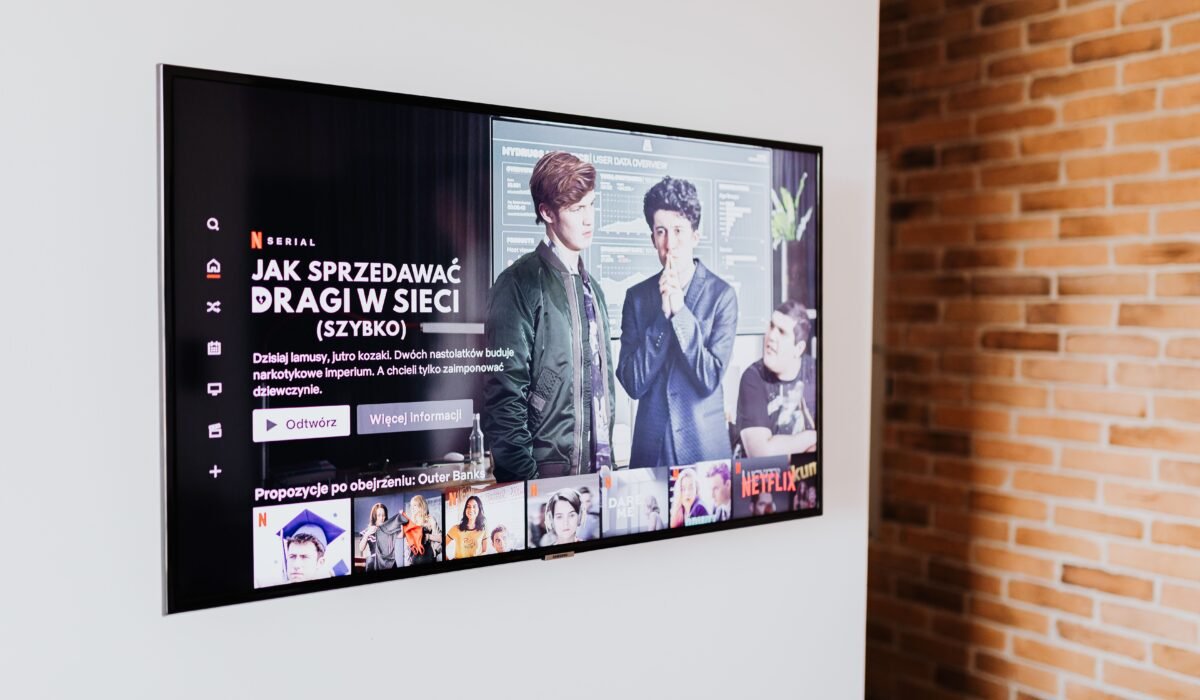
AI-powered home theater systems excel at personalization, offering predictive recommendations that align perfectly with your tastes and mood. Streaming services like Netflix, Amazon Prime, and Disney+ are prime examples of how **AI enhances smart home entertainment** through sophisticated algorithms. These platforms analyze your viewing history, ratings, watch times, and even what other users with similar profiles enjoy, to suggest new movies, shows, and music you’re likely to love.
This predictive personalization extends beyond simple suggestions; it anticipates your needs. Imagine your system learning that you prefer documentaries on weekday evenings or action films on weekends, then proactively surfacing relevant options. Matthew Glynn, Senior Product Marketing Manager at Hisense, emphasizes that AI now focuses on appliances learning from daily use, a concept directly applicable to entertainment systems anticipating user needs.
Key aspects of AI-driven content personalization include:
- Viewing Habits Analysis: Tracks genres, actors, directors, and even specific themes you engage with.
- Mood and Time of Day: Some advanced systems can infer your mood or adjust recommendations based on the time, suggesting calming music in the morning or upbeat tracks for a party.
- Cross-Platform Integration: AI can unify recommendations across different apps and devices, creating a holistic personalized entertainment experience.
This ensures that your smart home audio systems with AI always have something engaging ready for you, making every interaction feel uniquely yours.
Intuitive Voice Control: Command Your Entertainment
Intuitive voice control is a cornerstone of how **AI enhances smart home entertainment**, allowing you to manage your media and devices with simple spoken commands. More than half of smart home users rely on voice assistants like Amazon Alexa, Google Assistant, or Apple Siri for daily control, according to Smart Home Statistics For 2026 (2026). This hands-free interaction transforms how we access content, adjust settings, and integrate entertainment into our daily lives.
Devices like the Amazon Echo Studio and Sonos Arc are excellent examples of smart speakers that leverage AI for robust voice control. You can tell them to play a specific song, adjust the volume, switch inputs on your TV, or even dim the lights for movie night, creating a truly immersive experience. This seamless voice integration means less fumbling with remotes and more time enjoying your content.
The advancements in conversational AI, such as Amazon’s Alexa Plus service, further refine this experience. These systems can understand more complex commands, maintain context across multiple interactions, and even differentiate between users. This makes voice control for smart home entertainment not just convenient, but genuinely intelligent and responsive. The ability to simply speak your desires and have your entertainment system respond instantly is a clear indicator of how **AI enhances smart home entertainment**.
Optimized AV Quality: AI for Immersive Experiences
AI significantly optimizes audio and video quality in real-time, creating truly immersive entertainment experiences that adapt to your environment and content. Modern Samsung Smart TVs, for instance, utilize AI-powered picture quality engines that analyze content scene-by-scene, adjusting brightness, contrast, and color to deliver stunning visuals. This capability ensures that every frame looks its best, regardless of the source material.
For audio, **AI enhances smart home entertainment** by analyzing room acoustics and speaker placement, then dynamically tuning sound profiles for optimal clarity and depth. Speakers like the Sonos Arc use AI to map your room, ensuring sound is perfectly balanced and directed. This means you get studio-quality sound that is specifically optimized for your unique living space, delivering an unparalleled listening experience.
Consider these ways AI improves AV quality:
- Upscaling and Enhancement: AI algorithms can upscale lower-resolution content to near 4K or 8K quality, filling in missing pixels and reducing noise. This is particularly valuable for older films or broadcasts.
- Dynamic Range Optimization: AI intelligently adjusts HDR (High Dynamic Range) content to ensure details are visible in both bright and dark areas, enhancing realism.
- Adaptive Sound: Beyond room tuning, AI can analyze the type of audio (dialogue, music, action) and adjust settings to prioritize clarity or impact, ensuring you never miss a word or a beat.
This continuous, subtle refinement ensures that your AI-powered home theater consistently delivers the best possible audio and visual fidelity.
Seamless Integration: Unifying Your Smart Home Ecosystem
Seamless integration is a critical benefit where **AI enhances smart home entertainment** by unifying disparate devices into a cohesive, responsive ecosystem. The fragmentation of smart home devices has long been a challenge, but AI, alongside emerging standards like Matter, is bridging these gaps. This means your entertainment system can interact effortlessly with your lighting, climate control, and security systems, all managed from a central point or through automated routines.
For example, a Google Nest Hub Max centralizes entertainment, home control, and video calling, demonstrating AI’s ability to integrate diverse smart home functions. Imagine saying “movie night” and having your smart TV turn on, Netflix launch, the lights dim to 20%, and the thermostat adjust to a comfortable temperature, all simultaneously. This level of coordinated action is a powerful illustration of how **AI enhances smart home entertainment** by simplifying complex interactions.
The Matter standard, a new industry-unifying protocol, promises even greater interoperability. With Matter, devices from different brands can communicate seamlessly, making it easier to build a truly integrated smart home. AI then acts as the intelligent orchestrator, learning your preferences and automating these unified experiences. This focus on smart home interoperability Matter will allow for more sophisticated and reliable routines.
Proactive Automation: The Power of Invisible Intelligence
Proactive automation is where **AI enhances smart home entertainment** by working silently in the background, anticipating your needs and adjusting settings without direct command. This “invisible intelligence” makes your entertainment system feel less like a collection of gadgets and more like an intuitive partner in your daily life. As Mike Blackman, Managing Director of Integrated Systems Events, stated, “In 2026, we will begin to see home technology fade into the background… because it works more naturally.”
This goes beyond basic routines; AI learns your patterns over time. For instance, if you consistently listen to a specific playlist while cooking dinner, your smart home audio systems with AI might start playing it automatically when it detects you entering the kitchen around that time. Similarly, your smart TV could suggest a news broadcast in the morning or a calming nature documentary in the evening, based on your historical viewing habits and time of day.
Examples of proactive automation include:
- Contextual Content Delivery: Your system might pause a show if it detects you’ve left the room and resume when you return, or automatically switch to background music when guests arrive.
- Environmental Adaptation: AI can adjust screen brightness based on ambient light levels or recalibrate sound settings if it detects changes in room occupancy.
- Predictive Maintenance: While less direct for entertainment, AI can monitor device performance and alert you to potential issues before they become problems, ensuring your system is always ready.
This predictive personalization entertainment truly elevates the user experience, allowing you to simply enjoy your home without constant manual adjustments.
Boosting Energy Efficiency in Entertainment Systems
AI plays a crucial role in boosting energy efficiency within entertainment systems, helping you reduce your environmental footprint and save on utility bills. While smart systems that optimize heating, cooling, and lighting can reduce energy bills by up to 30%, according to industry studies, AI also brings specific savings to your entertainment setup. This is a significant benefit as **AI enhances smart home entertainment** by making it smarter and greener.
AI-powered devices can learn your usage patterns and automatically power down or enter low-energy modes when not in use. For example, a smart TV with AI can detect if no one is in the room and turn off, or if you’ve fallen asleep during a movie, it can pause playback and dim the screen. This intelligent management of power consumption prevents unnecessary energy waste from devices left running idly.
Here’s how AI contributes to energy savings in entertainment:
| AI Feature | Energy Efficiency Benefit |
|---|---|
| Presence Detection | Automatically powers off devices when a room is empty. |
| Usage Pattern Learning | Optimizes standby modes based on predictable usage times. |
| Dynamic Power Management | Adjusts screen brightness and audio power consumption based on content and environment. |
| Scheduled Automation | Ensures devices are off during non-peak hours or when you’re away. |
By intelligently managing power, **AI enhances smart home entertainment** not just for your enjoyment, but also for your wallet and the planet.
Future Outlook: What’s Next for AI in Home Entertainment?
The future outlook for AI in home entertainment promises even more immersive, intelligent, and seamlessly integrated experiences, pushing the boundaries of what’s possible. Experts like Bernard Marr, a Forbes Contributor, predicted that 2025 was the year AI entered everyday life, and 2026 will see its long-term effects manifest, simplifying and streamlining lives. This trajectory suggests that **AI enhances smart home entertainment** will continue to evolve rapidly.
We can anticipate advancements such as:
- Hyper-Personalized Content Creation: AI might not just recommend content, but actively generate short, personalized experiences or interactive narratives tailored to your real-time emotional state.
- Ambient Sensing and Adaptive Environments: Beyond basic light and sound, AI will leverage advanced sensors to understand your mood, stress levels, or focus, and then subtly adjust entertainment, lighting, and even scents to create an optimal environment.
- Mixed Reality Entertainment: The integration of AI with augmented and virtual reality will bring entertainment out of the screen and into your living space, creating interactive holographic experiences.
- Proactive Wellness Integration: Entertainment systems could subtly incorporate wellness aspects, suggesting calming music if it detects stress, or energizing visuals if you seem sluggish.
The future of AI in home entertainment points towards a world where technology truly understands and anticipates human needs, making our homes not just smart, but genuinely intuitive and deeply personal.
Frequently Asked Questions
How does AI improve home entertainment?
AI improves home entertainment by offering personalized content recommendations, enabling intuitive voice control, optimizing audio and video quality, and integrating seamlessly with other smart home devices. This creates a more immersive and user-centric experience, with 97% of smart home device owners reporting high satisfaction, according to Smart Home Statistics For 2026 (2026). It simplifies interaction and enhances the overall quality of media consumption.
What is AI in home theater?
AI in home theater refers to the application of artificial intelligence to enhance visual and auditory experiences, from real-time picture and sound optimization to smart content suggestions and voice control. It allows systems to adapt to room acoustics and user preferences, ensuring an immersive cinematic experience every time. This integration transforms a basic home theater into an intelligent, responsive media hub.
What is the future of AI in home entertainment?
The future of AI in home entertainment involves hyper-personalized content creation, ambient sensing for adaptive environments, and the integration of mixed reality experiences. Experts predict AI will make home technology fade into the background, working more naturally and intuitively, according to Mike Blackman (2026). This will lead to entertainment systems that anticipate needs and create deeply personal, interactive environments.
How AI creates immersive entertainment experiences?
AI creates immersive entertainment experiences by optimizing audio and video quality in real-time, personalizing content recommendations, and enabling seamless, intuitive voice control. It adapts to room acoustics, individual preferences, and even environmental factors to deliver perfectly tailored visuals and sound. This adaptability makes you feel truly part of the content, enhancing engagement and enjoyment.
What is predictive personalization entertainment?
Predictive personalization entertainment is an AI capability that anticipates user preferences and proactively suggests content, adjusts settings, or initiates routines based on learned habits, mood, and context. It goes beyond simple recommendations by predicting what you might want next, making the entertainment experience feel effortless and deeply intuitive. This reduces time spent searching and increases enjoyment of relevant content.
In conclusion, it’s clear that **AI enhances smart home entertainment** in fundamental ways, transforming how we interact with our media and our living spaces. From personalized content recommendations and intuitive voice control to optimized AV quality and seamless integration, AI makes every entertainment moment more immersive and effortless. As AI continues to evolve, we can expect even more sophisticated, proactive, and personalized experiences that truly anticipate our needs and blend invisibly into our daily lives. Embrace these advancements to unlock the full potential of your smart home entertainment system today.