Key Takeaways
- AI is fundamentally changing how we interact with, buy, and maintain vehicles, marking a significant shift in car ownership.
- Predictive maintenance powered by AI can reduce vehicle downtime by up to 30%, according to McKinsey & Company (2023).
- AI enhances the car buying process by offering personalized recommendations and transparent pricing, with AI-powered tools influencing 60% of car purchases, according to Deloitte (2024).
- Connected car AI features are becoming standard, offering advanced safety and convenience through systems like Apple CarPlay.
- The evolution of AI promises more autonomous driving and personalized in-car experiences, further reshaping the future of car ownership.
What’s the single biggest question on your mind when you think about your next car? It’s likely not just about the make and model, but how technology is changing the entire experience of owning and driving a vehicle. The truth is, AI reshaping car ownership is no longer a futuristic concept; it’s happening now, transforming everything from how we purchase cars to how we maintain them and the very nature of our journeys. We’re moving towards a smarter, more connected, and personalized automotive future.
Quick Answer: AI is transforming car ownership through predictive maintenance, personalized features, enhanced safety, autonomous driving capabilities, optimized charging for EVs, and more efficient car sharing.
How is AI changing the automotive industry?
AI is fundamentally altering the automotive landscape, moving beyond simple automation to intelligent systems that enhance every facet of vehicle ownership. This technological integration means AI reshaping car ownership by creating more efficient, safer, and personalized mobility experiences. From the design studio to the driver’s seat, artificial intelligence automotive applications are driving innovation at an unprecedented pace.
The automotive industry is experiencing a profound shift, with AI reshaping car ownership by making vehicles smarter and more integrated into our digital lives. Companies like General Motors are investing heavily in AI to develop advanced driver-assistance systems and future autonomous capabilities, demonstrating a commitment to this evolving future. This integration is not just about new features; it’s about redefining the entire relationship between people and their cars, making AI reshaping car ownership a central theme.
One of the most significant impacts is the move towards predictive capabilities. AI algorithms can analyze vast amounts of data from vehicle sensors, traffic patterns, and even driver behavior to anticipate needs and potential issues. This predictive power is a core component of AI reshaping car ownership, ensuring vehicles are not just machines but intelligent partners on the road. The ongoing development in AI car technology trends points toward a future where vehicles are proactive rather than reactive.
Key Insight: The automotive industry’s embrace of AI is not a trend but a foundational shift. AI reshaping car ownership means vehicles will become extensions of our digital ecosystems, offering services and insights previously unimaginable.
AI’s influence extends to manufacturing as well, optimizing production lines and improving quality control. This efficiency translates into better vehicles for consumers, contributing to the overall positive impact of AI reshaping car ownership. The drive for innovation ensures that AI continues to be a central force in how we perceive and utilize personal transportation.
The shift is also evident in how automakers are approaching sustainability. AI can optimize battery management for electric vehicles (EVs), improve fuel efficiency in traditional cars, and even help design lighter, more aerodynamic car bodies. This holistic approach underscores how deeply AI reshaping car ownership is becoming embedded in the industry’s core strategies, making mobility more responsible.
Quotable Paragraph: AI is fundamentally transforming the automotive sector by enabling smarter vehicles and more efficient operations. This evolution directly contributes to AI reshaping car ownership by offering enhanced safety, personalized experiences, and predictive capabilities that benefit drivers daily.
What are the benefits of AI in car ownership?
The benefits of AI in car ownership are numerous, directly addressing common pain points and enhancing the overall driving and ownership experience. At its core, AI reshaping car ownership means vehicles become more intuitive, safer, and cost-effective to own and operate. This technological integration is making cars more than just a mode of transport; they are becoming intelligent assistants.
One of the most tangible benefits is enhanced safety. AI-powered systems can detect hazards, warn drivers, and even intervene in critical situations, significantly reducing the risk of accidents. For instance, advanced driver-assistance systems (ADAS) use AI to monitor blind spots, maintain lane position, and provide automatic emergency braking. These systems are crucial in AI reshaping car ownership by making roads safer for everyone.
McKinsey & Company reports that AI can optimize vehicle maintenance schedules, leading to fewer unexpected breakdowns. Predictive maintenance, a key AI application, can identify potential component failures before they occur. This proactive approach means AI reshaping car ownership by saving owners time and money on repairs. Studies suggest predictive maintenance can reduce vehicle downtime by up to 30%.
Personalization is another significant advantage. AI algorithms can learn your driving habits, preferences, and even your daily routes to customize the in-car experience. This includes adjusting climate control, seat positions, infotainment settings, and navigation suggestions tailored to your needs. The widespread adoption of AI reshaping car ownership is making cars feel more like extensions of our personal digital environments.
Quotable Paragraph: AI personalization in vehicles learns your preferences to create a custom driving environment. This tailored experience is a key aspect of AI reshaping car ownership, making every drive more comfortable and convenient.
For electric vehicle (EV) owners, AI offers optimized charging solutions. It can identify the cheapest electricity rates, schedule charging to coincide with renewable energy availability, and even predict charging needs based on your typical usage patterns. This EV AI optimization is vital for making EV ownership more practical and sustainable, further illustrating AI reshaping car ownership.
Furthermore, AI contributes to cost savings through improved fuel efficiency and reduced maintenance expenses. By analyzing driving patterns and vehicle performance, AI can suggest more economical driving techniques or identify minor issues that could escalate into costly repairs. This efficiency aspect is a powerful driver of AI reshaping car ownership for budget-conscious consumers.
Here’s a breakdown of key benefits:
- Enhanced Safety: AI-powered ADAS and collision avoidance systems.
- Predictive Maintenance: Reduced downtime and repair costs, as highlighted by McKinsey & Company (2023).
- Personalized Comfort: Customized climate, audio, and seating settings.
- EV Optimization: Smarter charging schedules and battery management.
- Cost Efficiency: Improved fuel economy and proactive issue detection.
- Seamless Connectivity: Integration with personal devices and smart services.
How does AI impact the car buying process?
AI is revolutionizing the car buying process, making it more transparent, personalized, and efficient for consumers. The integration of artificial intelligence automotive tools means that AI reshaping car ownership starts even before you drive your new vehicle off the lot. It simplifies what can often be a complex and overwhelming experience.
AI-powered platforms can analyze vast datasets of vehicle specifications, pricing, reviews, and consumer preferences to offer highly tailored recommendations. This means instead of sifting through countless options, buyers receive suggestions that closely match their needs and budget. This level of personalization is a hallmark of AI reshaping car ownership by making the search more targeted.
Deloitte reports that AI-powered tools are influencing a significant portion of car purchases, with estimates suggesting they impact around 60% of consumers’ decisions (2024). These tools provide comparative analyses, identify optimal financing options, and even predict future resale values, empowering buyers with more information than ever before. This data-driven approach is central to AI reshaping car ownership.
The car buying process is often fraught with uncertainty regarding pricing. AI can bring greater transparency by analyzing market trends, dealer inventory, and competitor pricing to suggest fair market values. This helps consumers negotiate more effectively and ensures they are getting a good deal. This transparency is a critical element of AI reshaping car ownership.
Quotable Paragraph: AI enhances car buying transparency by analyzing market data for fair pricing. This empowers consumers and is a key factor in AI reshaping car ownership by fostering trust in the purchase process.
Furthermore, AI chatbots and virtual assistants are available 24/7 to answer common questions, schedule test drives, and guide buyers through the purchasing journey. This continuous availability reduces friction and provides immediate support, making the process smoother. The convenience offered by these AI applications is a direct example of AI reshaping car ownership.
Consider the role of Nvidia‘s technology in powering advanced AI systems that can simulate car performance and safety features, allowing potential buyers to virtually experience a vehicle’s capabilities. While not directly part of the purchase decision for every consumer, these underlying technologies contribute to the overall sophistication and informed choices available, further solidifying AI reshaping car ownership.
Here’s a look at how AI impacts the car buying journey:
- Personalized Recommendations: AI matches buyers with vehicles based on needs and budget.
- Price Transparency: AI analyzes market data for fair pricing, as noted by Deloitte (2024).
- Financing Optimization: AI identifies the best loan or lease options.
- Virtual Test Drives: Advanced simulations powered by companies like Nvidia.
- 24/7 Support: AI chatbots answer questions and schedule appointments.
What is AI in connected car features?
AI in connected car features refers to the integration of artificial intelligence technologies that enable vehicles to communicate with their environment, other vehicles, and the driver in intelligent ways. This fusion of AI and connectivity is central to AI reshaping car ownership by creating a more interactive and responsive driving experience. Connected cars leverage AI to process data from various sensors and networks to provide advanced functionalities.
At its heart, connected car AI allows vehicles to gather and interpret information to make decisions or provide insights. This includes everything from real-time traffic updates and navigation optimization to predictive diagnostics and enhanced infotainment systems. The sophistication of these features showcases how deeply AI reshaping car ownership is becoming integrated into our daily commutes.
Systems like Apple CarPlay are prime examples of how AI enhances the connected car experience. While CarPlay itself is an interface, it leverages AI to intelligently manage and display smartphone functions—like navigation, music, and communication—in a way that is safe and intuitive for drivers. This seamless integration is a cornerstone of AI reshaping car ownership.
AI algorithms analyze data from GPS, cameras, radar, and lidar sensors to provide real-time hazard detection and adaptive cruise control. This allows the car to react faster and more accurately than a human driver in certain scenarios. The continuous improvement of these safety features is a significant aspect of AI reshaping car ownership.
Quotable Paragraph: Connected car AI uses vehicle data for real-time insights and safety. This intelligent communication is a key driver of AI reshaping car ownership, making journeys safer and more informed.
Furthermore, AI enables over-the-air (OTA) updates for connected cars, allowing manufacturers to improve software, fix bugs, and add new features remotely. This means your car can continue to evolve and improve its AI capabilities over time, enhancing its value and the ownership experience. This dynamic capability is a clear demonstration of AI reshaping car ownership.
The concept of Vehicle-to-Everything (V2X) communication is heavily reliant on AI. V2X allows cars to communicate with other vehicles (V2V), infrastructure (V2I), pedestrians (V2P), and the network (V2N). AI processes this vast stream of V2X data to enable cooperative driving, collision avoidance, and traffic flow optimization, further illustrating AI reshaping car ownership.
Here are some core AI-powered connected car features:
- Intelligent Navigation: Real-time route optimization based on traffic and road conditions.
- Predictive Diagnostics: AI alerts for potential mechanical issues before they become critical.
- Enhanced Infotainment: AI-driven voice commands and personalized media suggestions, often integrated via platforms like Apple CarPlay.
- Advanced Driver-Assistance Systems (ADAS): Features like adaptive cruise control and lane-keeping assist use AI for safety.
- Remote Vehicle Management: Using AI via smartphone apps to check status, lock/unlock, or pre-condition the cabin.
How does AI improve vehicle maintenance?
AI is revolutionizing vehicle maintenance by shifting from reactive repairs to proactive, predictive strategies, significantly improving reliability and reducing costs. This proactive approach is a cornerstone of AI reshaping car ownership, ensuring vehicles stay on the road longer and perform better. The application of artificial intelligence automotive insights transforms how we care for our cars.
The primary way AI improves vehicle maintenance is through predictive analytics. AI algorithms analyze data from thousands of sensors within a vehicle—monitoring engine performance, tire pressure, brake wear, battery health, and fluid levels—to identify subtle anomalies. These anomalies can be early indicators of potential component failure. This predictive capability is a massive leap forward in AI reshaping car ownership.
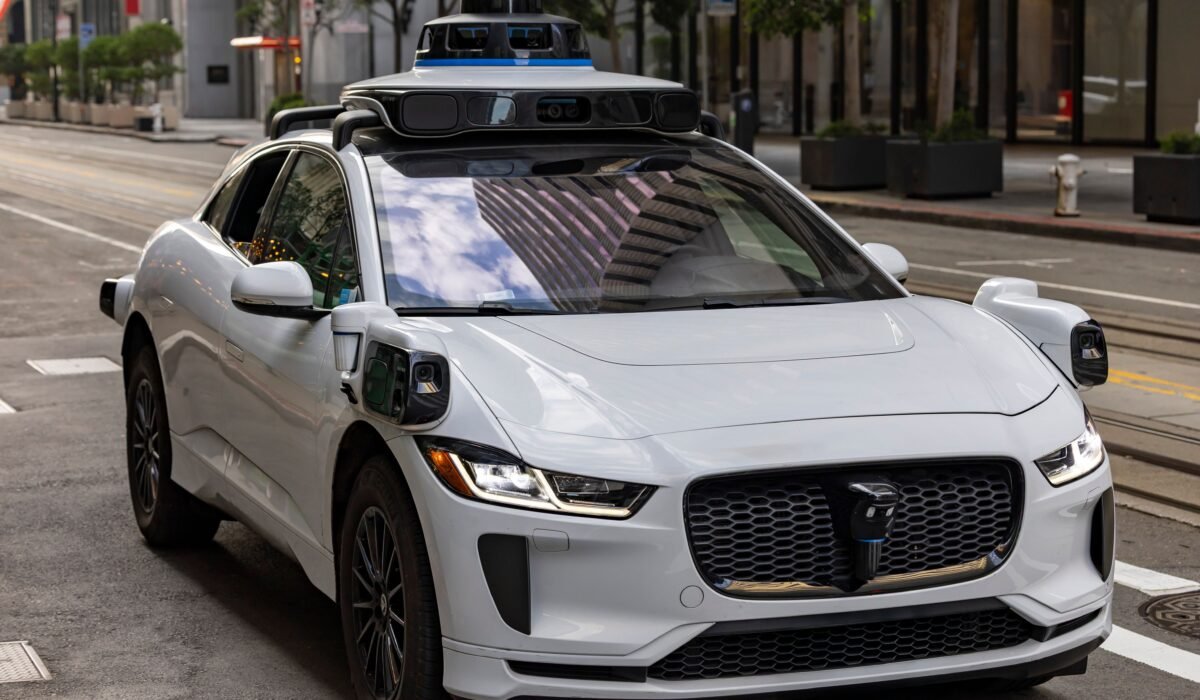
Waymo, a leader in autonomous driving, extensively uses AI not only for navigation but also for the maintenance of its fleet. Their systems are designed to predict when parts might fail based on usage patterns and environmental conditions, scheduling maintenance before issues arise. This sophisticated approach to AI in vehicle maintenance ensures maximum uptime for their vehicles.
According to McKinsey & Company, predictive maintenance strategies can reduce maintenance costs by 10-40% and downtime by up to 50% (2023). By catching problems early, AI-powered systems prevent minor issues from escalating into major, expensive repairs. This directly contributes to the economic benefits of AI reshaping car ownership.
Quotable Paragraph: AI predictive maintenance analyzes sensor data to forecast part failures. This proactive strategy is key to AI reshaping car ownership by preventing breakdowns and lowering repair expenses.
AI also enhances diagnostic capabilities. When a check engine light or other warning appears, AI can help technicians pinpoint the exact cause much faster than traditional methods. By cross-referencing fault codes with a vast database of vehicle data and repair histories, AI provides more accurate diagnoses, speeding up the repair process. This efficiency is another facet of AI reshaping car ownership.
Here’s how AI elevates vehicle maintenance:
- Predictive Failure Analysis: AI identifies potential part failures before they occur, as practiced by Waymo.
- Reduced Downtime: Proactive maintenance minimizes unexpected visits to the shop, as per McKinsey & Company (2023).
- Faster Diagnostics: AI helps pinpoint issues quickly, saving labor time and costs.
- Optimized Service Scheduling: AI can suggest the best times for maintenance based on usage and predicted needs.
- Extended Vehicle Lifespan: Consistent, informed maintenance helps cars last longer.
The ongoing development in AI car technology trends ensures that future maintenance will be even more seamless and integrated into the ownership experience. This continuous improvement is vital for AI reshaping car ownership.
What are AI-powered personalized car features?
AI-powered personalized car features tailor the in-car experience to individual drivers and passengers, making every journey unique and comfortable. This deep level of customization is a hallmark of AI reshaping car ownership, turning vehicles into extensions of our personal digital lives. The goal is to anticipate needs and preferences without explicit input.
One of the most common forms of personalization is through driver profiles. AI can recognize different drivers (often via facial recognition or smartphone proximity) and automatically adjust settings such as seat position, mirror angles, climate control, infotainment preferences, and even ambient lighting. This ensures that each driver experiences their car exactly as they like it. This is a clear example of AI reshaping car ownership.
Apple CarPlay, while an interface, integrates with AI to learn your habits. If you frequently navigate to a specific location at a certain time, it might proactively suggest that route. Similarly, your music streaming service, integrated via CarPlay, can learn your listening preferences and suggest playlists or artists based on your driving context—whether it’s your morning commute or a long road trip. This intelligent integration is part of AI reshaping car ownership.
AI can also personalize safety features. For example, the sensitivity of collision warnings or lane departure alerts can be adjusted based on the driver’s comfort level and typical driving style. This ensures that safety systems are helpful without being intrusive, contributing to a more positive ownership experience. This adaptability is central to AI reshaping car ownership.
Quotable Paragraph: AI personalizes car settings like seats and climate for each driver. This custom experience is a key part of AI reshaping car ownership, making vehicles more intuitive and comfortable.
In electric vehicles, AI personalization extends to charging habits. It can learn when you typically charge, where you charge (home vs. public stations), and your preferred charging speed, then offer optimized charging schedules and notifications. This EV AI optimization makes managing an EV much simpler and more aligned with your lifestyle. This tailored approach is a significant aspect of AI reshaping car ownership.
The future of personalized car features, driven by advanced AI, promises even more sophisticated interactions. Imagine cars that can adjust suspension based on road conditions and driver preference, or infotainment systems that can provide personalized news summaries or learning modules based on your interests. The ongoing innovation in AI reshaping car ownership ensures continuous enhancement of the driver-vehicle relationship.
Here’s a look at AI-driven personalization:
- Driver Profiles: Automatic adjustment of seats, mirrors, climate, and infotainment for recognized drivers.
- Smart Navigation & Media: Proactive route suggestions and personalized music/podcast recommendations, often via integrated systems like Apple CarPlay.
- Adaptive Safety Systems: Customizable alert sensitivity for features like lane departure warnings.
- Personalized EV Charging: Optimized charging schedules based on driver habits and electricity rates.
- Predictive Comfort: AI anticipates cabin temperature and lighting preferences.
What is the future of AI in car ownership?
The future of AI in car ownership points toward increasingly autonomous, integrated, and service-oriented mobility. The ongoing evolution of artificial intelligence automotive applications promises to redefine the very concept of owning a vehicle, making AI reshaping car ownership a fundamental paradigm shift. We are moving towards cars that are less about manual operation and more about intelligent assistance and shared mobility.
Autonomous driving technology, powered by advanced AI, is perhaps the most significant aspect of the future of car ownership. As AI systems become more capable, we will see a rise in vehicles that can drive themselves, offering greater convenience, accessibility, and safety. Companies like Tesla are at the forefront of this development, pushing the boundaries of what’s possible with AI in vehicles. This advancement is central to AI reshaping car ownership.
The trend towards shared mobility and car-as-a-service models will also be heavily influenced by AI. AI can optimize fleet management, predict demand, manage charging infrastructure for electric fleets, and personalize the user experience for ride-sharing or subscription services. This efficiency will make alternative ownership models more attractive, further contributing to AI reshaping car ownership.
Ford is exploring AI-driven solutions for urban mobility, including connected services and autonomous shuttles. Their investment in AI research and development signals a clear path toward vehicles that are more integrated into smart city infrastructure. This forward-thinking approach is essential for understanding how AI reshaping car ownership will unfold.
Quotable Paragraph: Future AI in cars will enable greater autonomy and integrated services. This evolution is key to AI reshaping car ownership by transforming cars into sophisticated, connected mobility platforms.
Data analytics will become even more crucial. AI will continuously collect and analyze data from vehicles to improve performance, enhance safety features, and develop new services. This creates a feedback loop where AI reshaping car ownership is an ongoing, iterative process, with vehicles becoming smarter and more capable over their lifetime. The insights gathered by AI will drive innovation across the entire automotive ecosystem.
The relationship between AI and vehicle hardware, such as advanced processors from companies like Nvidia, will continue to deepen. These powerful chips are essential for processing the complex AI algorithms required for autonomous driving, real-time perception, and sophisticated in-car experiences. This hardware-software synergy is fundamental to AI reshaping car ownership.
Here’s a glimpse into the future:
- Full Autonomy: AI enabling Level 4 and Level 5 self-driving capabilities.
- Mobility-as-a-Service: AI optimizing shared vehicle fleets and subscription models.
- Smarter EV Ecosystems: AI managing charging, battery health, and grid integration.
- Hyper-Personalization: Cars adapting dynamically to individual needs and moods.
- Seamless Connectivity: Vehicles becoming integral nodes in the broader Internet of Things (IoT).
Ultimately, AI reshaping car ownership is leading us toward a future where cars are not just tools for transportation but intelligent, connected companions that enhance our lives in profound ways.
Frequently Asked Questions
How is AI changing the way people buy cars?
AI is making car buying more personalized and transparent by offering tailored recommendations and fair pricing insights. It analyzes vast market data to match buyers with suitable vehicles and financing options, simplifying a traditionally complex process. This data-driven approach is central to AI reshaping car ownership.
What are the main safety benefits of AI in cars?
AI significantly enhances vehicle safety through advanced driver-assistance systems (ADAS) that provide real-time hazard detection and automatic emergency braking. These intelligent systems can react faster than human drivers in critical situations. According to the National Highway Traffic Safety Administration (NHTSA), ADAS technologies have the potential to prevent thousands of traffic fatalities each year, showcasing the impact of AI reshaping car ownership (2023).
How does AI improve car maintenance?
AI improves car maintenance through predictive analytics, allowing vehicles to forecast potential component failures before they occur. This proactive approach minimizes unexpected breakdowns and reduces repair costs, as reported by McKinsey & Company, who estimate it can cut downtime by up to 50% (2023). This predictive capability is fundamental to AI reshaping car ownership.
What role does AI play in connected car features like Apple CarPlay?
AI enhances connected car features by intelligently managing and displaying smartphone functions like navigation, music, and communication safely and intuitively. Systems like Apple CarPlay leverage AI to learn user habits and provide personalized, context-aware assistance. This seamless integration is a key aspect of AI reshaping car ownership.
Will AI lead to cars that drive themselves?
Yes, the future of AI in car ownership is strongly tied to the development of autonomous driving. Advanced AI algorithms are the backbone of self-driving technology, enabling vehicles to perceive their environment, make decisions, and navigate without human intervention. This autonomous capability is a major frontier in AI reshaping car ownership, promising greater accessibility and convenience.
The journey of AI reshaping car ownership is already well underway, bringing unprecedented levels of intelligence, personalization, and efficiency to our vehicles. From smarter purchasing decisions to proactive maintenance and enhanced driving experiences, AI is fundamentally changing our relationship with cars. As these technologies continue to evolve, we can expect even more innovative solutions that will make car ownership more accessible, safer, and integrated into our digital lives. Embrace the future of mobility; it’s smarter than ever.