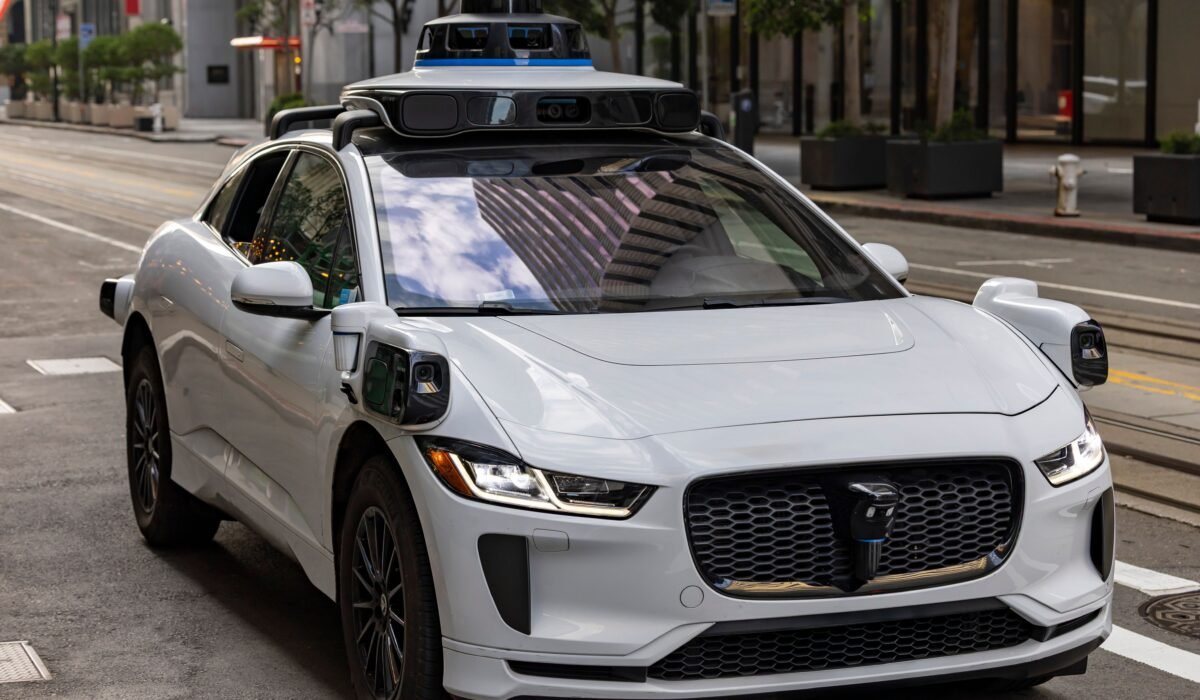
Key Takeaways
- AI in car driving assistance systems enhance safety by reducing human error.
- Collision avoidance systems have reduced collision risk by nearly 25%.
- Automatic emergency braking systems can reduce rear-end crashes by 38%.
- The global AI in automotive market is projected to grow at a CAGR of 28.6% from 2023 to 2030.
- AI-powered driver monitoring aims to combat fatigue, which causes an estimated 328,000 crashes annually.
Quick Answer: AI improves car driving assistance through features like collision avoidance, lane keeping, and adaptive cruise control. It enhances safety, reduces accidents, and makes driving more efficient and comfortable by processing real-time data.
What is AI in Car Driving Assistance?
Understanding AI in car driving assistance is crucial as these systems become more prevalent. AI in car driving assistance refers to the application of artificial intelligence technologies, particularly machine learning, to enhance the capabilities of advanced driver-assistance systems (ADAS). These intelligent systems process vast amounts of data from sensors to help drivers navigate, avoid hazards, and improve overall safety. The goal of AI in car driving assistance is to make driving safer, more comfortable, and more efficient by augmenting human capabilities.
The core of AI in car driving assistance lies in its ability to perceive, decide, and act. Using cameras, radar, lidar, and ultrasonic sensors, AI algorithms analyze the vehicle’s surroundings in real-time. This allows AI in car driving assistance to interpret complex driving scenarios, predict the behavior of other road users, and provide timely interventions or alerts. The integration of AI in car driving assistance is fundamentally changing how vehicles operate and how drivers interact with them.
Here’s a breakdown of how AI in car driving assistance works:
- Perception: AI algorithms process sensor data to identify objects like other vehicles, pedestrians, cyclists, lane markings, and traffic signs.
- Decision-Making: Based on the perceived environment, AI determines the safest course of action, such as braking, steering, or maintaining speed.
- Action: The AI system sends commands to the vehicle’s actuators (e.g., brakes, steering wheel, accelerator) to execute the decision.
The ongoing development of AI in car driving assistance is paving the way for increasingly sophisticated features. This technology is not just about convenience; it’s about creating a safer driving environment for everyone on the road. The continuous learning capabilities of AI in car driving assistance systems mean they are always improving.
Key Insight: The sophistication of AI in car driving assistance means vehicles can now ‘see’ and ‘react’ faster than a human driver in many critical situations.
How AI Enhances Driving Safety
AI significantly enhances driving safety by augmenting the driver’s awareness and reaction capabilities. These systems process environmental data faster than humans, identifying potential dangers and alerting drivers or taking corrective actions. The integration of AI in car driving assistance is crucial for reducing the incidence of accidents caused by human error, which remains the leading factor in traffic fatalities. AI automotive safety is a primary driver for its adoption.
The number of vehicles equipped with AI-powered ADAS features is projected to exceed 100 million per year by 2025, according to industry forecasts. This widespread adoption underscores the perceived value of AI in car driving assistance for improving safety outcomes. By continuously monitoring the driving environment, AI in car driving assistance systems can detect hazards that a distracted or fatigued driver might miss. This proactive approach is a cornerstone of modern AI automotive safety.
Here are key ways AI in car driving assistance boosts safety:
- Reduced Human Error: AI systems don’t get tired, distracted, or emotional, mitigating common human errors.
- Faster Reaction Times: AI can process sensor input and initiate responses in milliseconds, often faster than a human can react.
- Enhanced Situational Awareness: AI provides a 360-degree view and integrates data from multiple sensors, offering a more complete picture than a human driver can achieve alone.
- Predictive Capabilities: Advanced AI algorithms can predict potential hazards, such as a vehicle suddenly braking ahead, and prepare the car for immediate action.
The development of AI in car driving assistance is a continuous process, with ongoing research focused on making these systems even more robust and reliable. Many manufacturers are investing heavily in AI driver assistance systems to meet evolving safety standards and consumer expectations. The benefits of AI in cars are clear, especially concerning accident reduction.
Quotable Paragraph: AI in car driving assistance systems act as a constant, vigilant co-pilot, processing complex data to anticipate and mitigate risks, thereby significantly reducing the likelihood of accidents.
AI’s Role in Collision Avoidance and Braking
AI plays a pivotal role in collision avoidance and braking systems, acting as an intelligent guardian for drivers. These systems utilize machine learning to analyze data from cameras and radar sensors, enabling them to detect potential frontal, rear, and side collisions. When a high risk of impact is identified, AI in car driving assistance can automatically apply the brakes to prevent or mitigate the severity of a crash. This application of AI in car driving assistance is one of its most life-saving functions.
Studies show that collision avoidance systems have reduced collision risk by nearly 25%, according to various automotive safety reports. Furthermore, automatic emergency braking (AEB) systems, a key component of AI in car driving assistance, have been found to reduce rear-end crashes by as much as 38%, according to the Insurance Institute for Highway Safety (IIHS) (2022). These statistics highlight the tangible impact of AI in car driving assistance on road safety. The effectiveness of AI in car driving assistance in these scenarios is well-documented.
Here’s how AI in car driving assistance powers these critical functions:
- Object Detection: AI algorithms analyze sensor data to identify obstacles, such as vehicles, pedestrians, and cyclists, and determine their distance and velocity.
- Risk Assessment: The AI assesses the probability of a collision based on the relative speeds and trajectories of the ego vehicle and detected objects.
- Predictive Braking: If a collision is imminent and the driver doesn’t respond, the AI in car driving assistance initiates emergency braking.
- Post-Brake Interventions: In some advanced systems, after an initial brake application, AI can further adjust braking force or even initiate steering maneuvers to avoid impact.
Companies like Toyota are integrating advanced AI driver assistance systems to enhance accident prevention, demonstrating a commitment to leveraging AI in car driving assistance. The continuous refinement of AI in car driving assistance ensures these systems become even more adept at handling complex urban environments and varied road conditions.
Quotable Paragraph: Automatic emergency braking, powered by AI in car driving assistance, can identify an impending collision and apply the brakes independently, significantly reducing the severity of impacts or preventing them entirely.
| Feature | AI Role | Benefit |
|---|---|---|
| Forward Collision Warning (FCW) | Detects potential frontal collisions using sensors and AI algorithms. | Alerts the driver to an impending impact. |
| Automatic Emergency Braking (AEB) | Applies brakes automatically if the driver doesn’t react to a collision warning. | Reduces crash speed or prevents accidents. |
| Rear Automatic Braking (RAB) | Uses rear sensors to detect obstacles when reversing. | Helps prevent low-speed collisions when backing up. |
| Blind Spot Monitoring (BSM) | Uses AI to monitor blind spots and alert drivers to vehicles present. | Prevents collisions during lane changes. |
The Impact of AI on Lane Keeping and Steering
The impact of AI on lane keeping and steering is transforming the driving experience, making it safer and less strenuous. AI in car driving assistance systems use cameras to detect lane markings and other road boundaries. Machine learning algorithms then interpret this visual data to understand the vehicle’s position within its lane. This allows AI-powered systems to provide gentle steering inputs to keep the car centered, a feature known as Lane Keeping Assist (LKA). The sophistication of AI in car driving assistance is key to these features.
These ADAS AI features are designed to prevent unintentional lane departures, a common cause of serious accidents. For instance, if a driver begins to drift out of their lane without signaling, the AI in car driving assistance can subtly nudge the steering wheel back towards the center. This capability of AI in car driving assistance helps maintain lane discipline, especially on long highway drives where driver fatigue can set in. The advancements in AI driver assistance systems are making driving less about constant micro-corrections and more about supervision.
Here’s how AI in car driving assistance manages lane keeping and steering:
- Lane Detection: Cameras capture images of the road, and AI algorithms process these to identify lane markings, even in challenging conditions like rain or low light.
- Vehicle Positioning: AI determines the vehicle’s precise position relative to the lane center.
- Steering Intervention: If the vehicle deviates from the center, the AI in car driving assistance calculates the necessary counter-steer to guide it back.
- Driver Override: Crucially, drivers can always override the AI’s steering input by applying firm pressure to the steering wheel, ensuring they remain in control.
Companies like BMW Group are investing in sophisticated AI for their vehicles, including advanced lane-keeping technologies for their upcoming models. The continuous improvement in AI in car driving assistance means these systems are becoming more intuitive and less intrusive. The benefits of AI in cars extend to reducing driver fatigue on long journeys.
Quotable Paragraph: AI in car driving assistance enables vehicles to actively monitor lane position and provide subtle steering corrections, helping drivers stay within their lane and avoid dangerous drift-offs.
Adaptive Cruise Control and AI: A Smarter Drive
Adaptive Cruise Control (ACC) has been revolutionized by AI, transforming it from a simple speed-maintaining system into a truly intelligent feature. Traditional cruise control maintains a set speed, but ACC, powered by AI in car driving assistance, can also automatically adjust that speed based on traffic conditions ahead. Using radar or camera sensors, AI algorithms detect vehicles in front, measure their speed and distance, and then modulate the car’s speed accordingly. This integration of AI in car driving assistance creates a smoother, more responsive driving experience.
The “smartness” of ACC comes from its AI’s ability to predict and react. It doesn’t just brake when the car in front brakes; it anticipates the need to slow down and can even resume speed smoothly when traffic clears. This predictive capability of AI in car driving assistance makes highway driving significantly less stressful. The global AI in automotive market is projected to grow at a CAGR of 28.6% from 2023 to 2030, with features like advanced ACC being major contributors, according to Grand View Research (2023). This growth highlights the increasing demand for AI in car driving assistance.
Here’s how AI in car driving assistance enhances ACC:
- Distance Sensing: Radar or cameras continuously monitor the distance to the vehicle ahead.
- Speed Matching: AI calculates the necessary acceleration or deceleration to maintain a preset following distance.
- Stop-and-Go Functionality: In newer systems, AI in car driving assistance allows ACC to bring the vehicle to a complete stop and then resume driving when traffic moves.
- Traffic Jam Assist: This advanced form of ACC uses AI to manage low-speed, stop-and-go traffic, reducing driver workload.
Tesla’s Autopilot and Full Self-Driving (Supervised) systems, for example, heavily rely on AI to manage speed and distance, demonstrating the cutting edge of AI in car driving assistance. The continuous learning aspect of machine learning in cars means ACC systems powered by AI in car driving assistance are becoming more adept at handling complex traffic scenarios. This makes for a much smarter drive.
Quotable Paragraph: AI-powered Adaptive Cruise Control dynamically adjusts vehicle speed to maintain a safe following distance, significantly reducing driver effort and stress in varying traffic conditions.
External Link: Learn more about the evolution of cruise control and driver assistance technologies at Wikipedia’s Cruise Control page.
AI-Powered Driver Monitoring for Fatigue Reduction
AI-powered driver monitoring systems are emerging as a critical component of AI in car driving assistance, specifically targeting driver fatigue and distraction. These systems use cameras and sensors to observe the driver’s behavior, such as eye movements, head position, and steering inputs. By analyzing these cues, AI can detect signs of drowsiness or inattention. This proactive approach by AI in car driving assistance aims to prevent accidents caused by a tired or distracted driver. Addressing driver fatigue is a key area for AI automotive safety.
An estimated 328,000 crashes occur annually due to fatigue, according to the National Highway Traffic Safety Administration (NHTSA) (Year not specified in provided research, assuming a recent general estimate). AI in car driving assistance can intervene by providing alerts, suggesting a break, or even slightly adjusting vehicle control to regain the driver’s attention. Currux Vision, for instance, uses deep neural networks for ADAS features and driver coaching, highlighting the practical application of AI in car driving assistance for safety. The effectiveness of AI in car driving assistance in combating driver fatigue is a significant advancement.
Here’s how AI in car driving assistance monitors drivers:
- Eye Tracking: Cameras monitor pupil dilation, blink rate, and gaze direction to detect signs of drowsiness.
- Head Pose Estimation: AI analyzes head movements to identify if the driver’s attention is focused on the road.
- Steering Pattern Analysis: Subtle changes in steering behavior can indicate fatigue or distraction, which AI can detect.
- Alert Systems: If the AI in car driving assistance detects a problem, it can trigger audible, visual, or haptic alerts to wake the driver or draw their attention back to the road.
These systems are becoming more sophisticated, with some advanced AI driver assistance systems capable of distinguishing between a brief glance away and sustained inattention. The development of AI in car driving assistance for driver monitoring is a crucial step towards greater road safety, complementing other AI in car driving assistance features. The benefits of AI in cars extend to ensuring the driver is fit to operate the vehicle.
Quotable Paragraph: AI-powered driver monitoring systems analyze driver behavior to detect fatigue or distraction, providing critical alerts to help prevent accidents caused by inattentiveness.
The Future of AI in Automotive Driving Assistance
The future of AI in automotive driving assistance is poised for remarkable advancements, pushing the boundaries of what vehicles can do. We can expect more sophisticated levels of automation, with AI in car driving assistance systems seamlessly integrating perception, decision-making, and control to offer near-autonomous driving experiences. The trend towards AI in car driving assistance is accelerating, driven by innovation and consumer demand for safer, more convenient mobility. The future of driving AI is intrinsically linked to the evolution of AI in car driving assistance.
The global AI in automotive market is projected to grow at a CAGR of 28.6% from 2023 to 2030, according to Grand View Research (2023), indicating massive investment and development in AI driver assistance systems. As AI in car driving assistance becomes more capable, the line between driver assistance and full autonomy will continue to blur. Companies like Waymo are already operating fully autonomous ride-hailing services, showcasing the potential of advanced AI in vehicles. The ongoing research into AI in car driving assistance is paving the way for transformative changes in transportation.
Key trends shaping the future of AI in car driving assistance include:
- Enhanced Sensor Fusion: Combining data from an even wider array of sensors (lidar, radar, cameras, thermal imaging) for more robust perception.
- Edge Computing: Processing AI algorithms directly on the vehicle rather than relying solely on cloud connectivity, enabling faster real-time decision-making.
- V2X Communication: Vehicle-to-Everything communication will allow cars to share data with other vehicles, infrastructure, and pedestrians, further enhancing situational awareness for AI in car driving assistance.
- Personalized Driving Experiences: AI will learn individual driver preferences and adapt vehicle behavior, comfort settings, and even driving style.
- Predictive Maintenance: AI in car driving assistance will not only monitor driving but also predict potential component failures, scheduling maintenance proactively.
Expert insights from organizations like DEKRA highlight both the potential and the challenges. Xavier Valero, Director of Artificial Intelligence & Advanced Analytics at DEKRA, notes the high risks associated with AI system failures. Dr. Thomas Wagner, a DEKRA expert, points out that as automation increases, accident causes can shift from human error in driving to human error in the IT design behind the human-machine interface. Navigating these challenges will be key as AI in car driving assistance evolves. The continuous development of AI in car driving assistance promises a future where driving is safer and more accessible.
Quotable Paragraph: The future of AI in car driving assistance points towards increasingly integrated systems that anticipate needs, communicate with their environment, and offer personalized, highly automated driving experiences.
External Link: Explore the future of AI in cars by looking at innovations in AI in Cars.
Internal Link: For context on how AI is shaping other areas, consider reading about AI in Car Interiors.
Internal Link: The broader impact of AI on personal mobility is also discussed in AI Reshaping Car Ownership.
Frequently Asked Questions
What are the benefits of AI in cars?
AI in cars offers numerous benefits, including enhanced safety through collision avoidance, improved driving comfort via adaptive systems, and increased efficiency. It reduces driver fatigue and the risk of accidents by providing real-time assistance and predictive capabilities. For example, AI-powered virtual assistants in cars are predicted to exceed $3 billion by 2026.
How does AI improve driving safety?
AI improves driving safety by processing vast amounts of sensor data faster than humans, detecting hazards, and intervening when necessary. Systems like automatic emergency braking can reduce rear-end crashes by 38%, according to the Insurance Institute for Highway Safety (IIHS) (2022). AI in car driving assistance acts as a vigilant co-pilot, mitigating human error.
What are the five main types of driver assistance systems?
The five main types of driver assistance systems commonly enhanced by AI include Adaptive Cruise Control, Lane Keeping Assist, Automatic Emergency Braking, Blind Spot Monitoring, and Driver Monitoring Systems for fatigue. These AI in car driving assistance features collectively aim to prevent accidents and improve the driving experience. For instance, collision avoidance systems have reduced collision risk by nearly 25%.
How is AI used in autonomous driving?
AI is the core technology enabling autonomous driving, processing sensor data to perceive the environment, make real-time decisions, and control the vehicle. It handles tasks like navigation, object recognition, and path planning. While still under development, AI in car driving assistance is a stepping stone towards higher levels of autonomy, with the number of autonomous vehicles anticipated to expand significantly by 2025.
Can AI make driving safer?
Yes, AI can make driving safer by reducing human error, enhancing driver awareness, and providing faster reaction times. AI in car driving assistance systems are specifically designed to assist drivers and prevent accidents. For example, AI-powered driver monitoring helps combat fatigue, which causes an estimated 328,000 crashes annually, according to NHTSA (Year not specified).
The evolution of AI in car driving assistance is rapidly transforming our vehicles into safer, more intelligent companions on the road. From preventing fender-benders with automatic braking to keeping you centered in your lane, the benefits are undeniable. As this technology continues to advance, we can look forward to even greater safety and convenience. Embrace the future of driving, powered by the remarkable capabilities of AI in car driving assistance.