Key Takeaways
- AI enhances smart home entertainment by personalizing content, improving audio-visual quality, and enabling voice control.
- Smart entertainment devices hold approximately 29% of the home automation market share in 2026.
- Consumers are increasingly open to AI-powered entertainment platforms, according to a survey of over 2,600 Americans.
- Sonos uses AI to optimize sound for different room acoustics, enhancing audio performance.
- The global smart home market is projected to reach $311.22 billion by 2031, signaling significant growth.
Are you tired of juggling remotes, struggling with clunky interfaces, and wishing your entertainment system just *knew* what you wanted to watch or listen to? If so, you’re not alone. The modern home is increasingly connected, and the desire for a truly intuitive and personalized experience is paramount. Fortunately, a powerful force is at work behind the scenes: artificial intelligence. This article explores how AI enhances smart home entertainment, transforming passive viewing and listening into an active, immersive, and deeply personal journey.
Quick Answer: AI enhances smart home entertainment by personalizing content, improving audio-visual quality, enabling voice control, integrating devices seamlessly, and creating immersive ambient experiences for tailored enjoyment.
How does AI personalize smart home entertainment?
AI personalizes smart home entertainment by analyzing user behavior, preferences, and even environmental context to tailor content, audio, and visual settings precisely to individual tastes. This deep level of customization ensures that every interaction feels intuitive and uniquely suited to you. AI enhances smart home entertainment by learning what you love and proactively delivering it.
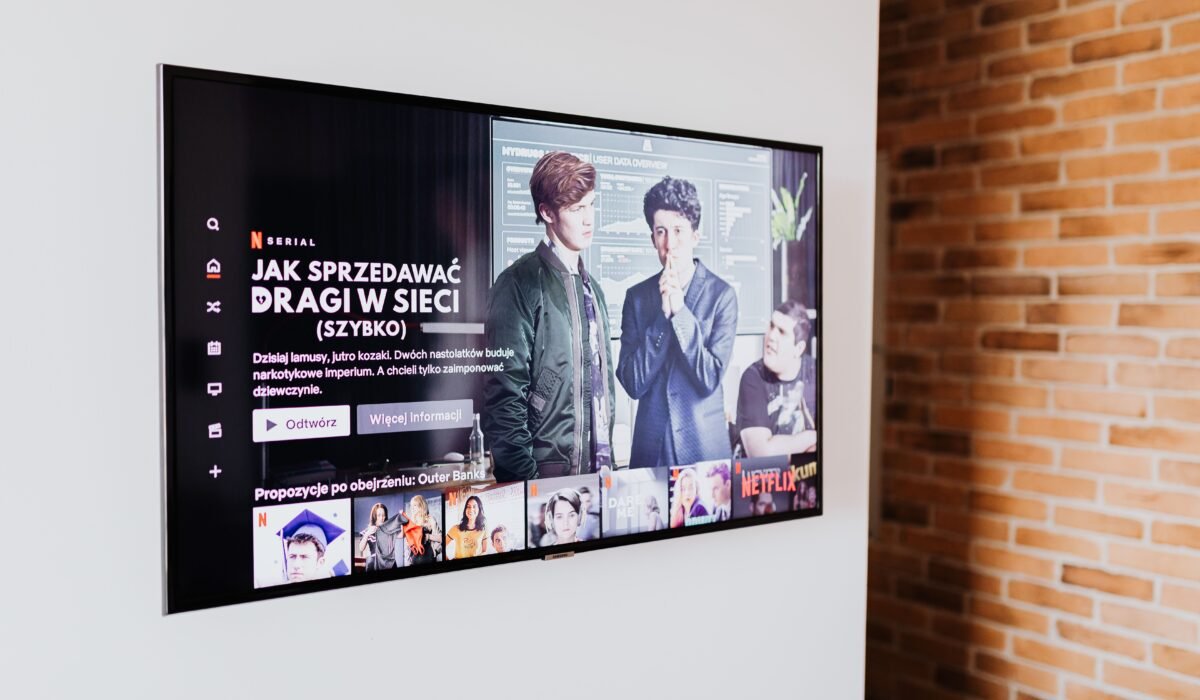
The core of AI-driven personalization lies in sophisticated algorithms that process vast amounts of data. These algorithms track viewing habits, search queries, liked content, and even the time of day you consume media. For instance, platforms like Netflix use AI to analyze your watch history, identifying patterns and genres you engage with most. This allows them to serve up highly relevant movie and series suggestions, making your entertainment discovery process far more efficient and enjoyable.
Personalized content recommendations are a hallmark of modern entertainment. AI algorithms can predict what you’ll want to watch next with remarkable accuracy. This predictive power means less time scrolling and more time enjoying content that genuinely resonates with your mood and interests. The goal is to create a frictionless experience where the entertainment finds you, rather than the other way around.
What most people miss is how AI goes beyond simple recommendations. It can also learn your preferred viewing times or even adjust content suggestions based on who is in the room, if the system can detect it. This dynamic adaptation is key to how AI enhances smart home entertainment by making it truly responsive to your life.
AI algorithms analyze viewing habits to curate personalized watchlists, making content discovery effortless for users on platforms like Netflix.
Furthermore, AI can personalize ambient experiences. Imagine your smart lights dimming to the perfect mood for a movie, or your music playlist adjusting based on your energy levels. This holistic approach ensures that the entire environment complements your entertainment, a significant leap from basic device control. This is a prime example of how AI enhances smart home entertainment by creating an atmosphere.
Data shows that consumers are warming up to entertainment and smart home platforms that incorporate more artificial intelligence products, according to a survey of over 2,600 American consumers. This indicates a growing acceptance and desire for the personalized experiences AI offers. The ability to tailor experiences is a fundamental way AI enhances smart home entertainment.
Here’s a look at how AI delivers this personalization:
- Behavioral Analysis: AI tracks what you watch, listen to, search for, and interact with.
- Preference Learning: It identifies genres, actors, directors, and moods you favor.
- Contextual Awareness: AI can consider time of day, day of week, and even who is present.
- Predictive Suggestions: It anticipates your next entertainment choice.
- Adaptive Environments: AI links entertainment with smart lighting, climate, and soundscapes.
The continuous learning cycle means that as you use your smart home entertainment system more, the AI becomes even better at understanding and serving your unique preferences. This ongoing refinement is central to how AI enhances smart home entertainment over time.
What are the benefits of AI in smart home audio?
AI revolutionizes smart home audio by optimizing sound quality, enabling intuitive voice control, and delivering personalized listening experiences that adapt to your environment and preferences. These advancements significantly elevate the auditory aspect of home entertainment. AI enhances smart home entertainment by making sound more intelligent and immersive.
One of the most significant benefits is AI-powered sound optimization. Devices like Sonos leverage AI to analyze the acoustics of your room. Using built-in microphones, they can measure how sound reflects off walls, furniture, and other surfaces. The AI then adjusts the audio output in real-time to compensate for these acoustic anomalies, ensuring you hear a clear, balanced, and rich sound profile regardless of where you are in the room or how your furniture is arranged. This technology makes AI enhances smart home entertainment through superior sound delivery.
Sonos uses AI to optimize sound in various environments, enhancing audio performance regardless of room shape or furniture placement. This intelligent calibration ensures that your music and movie soundtracks sound their best, every time.
Voice control is another area where AI shines. With smart speakers and soundbars integrated with assistants like Google Assistant or Amazon Alexa, you can control your entire audio setup using natural language commands. Want to play a specific song, adjust the volume, or switch to a different input? Just ask. This hands-free operation is incredibly convenient and a fundamental way AI enhances smart home entertainment.
AI-powered voice assistants allow users to control smart home audio systems with simple spoken commands, offering unparalleled convenience.
Furthermore, AI can personalize audio experiences. For example, AI can learn your music preferences and create dynamic playlists that evolve with your mood. It can also optimize dialogue clarity in movies or adjust bass levels for a more impactful movie-watching experience. This level of adaptive audio customization is a key component of how AI enhances smart home entertainment for individual users.
Consider smart soundbars that use AI to enhance bass and dynamically fine-tune sound. These devices don’t just play audio; they analyze the content and your room to produce the most immersive soundstage possible. This intelligent processing makes AI enhances smart home entertainment by delivering cinema-quality audio at home.
Here’s a breakdown of AI’s audio benefits:
- Room Calibration: AI tunes audio output to match your room’s unique acoustics.
- Intelligent Voice Control: Natural language commands control playback, volume, and source selection.
- Personalized Playlists: AI curates music based on your listening history and mood.
- Enhanced Clarity & Impact: AI optimizes dialogue and bass for movies and music.
- Seamless Integration: AI connects audio systems with other smart home devices.
The integration of AI into audio devices means that sound is no longer static; it’s dynamic, adaptive, and deeply personal. This continuous improvement is central to how AI enhances smart home entertainment.
How does AI improve smart TV viewing experiences?
AI dramatically improves smart TV viewing experiences by optimizing picture and sound quality, personalizing content discovery, and enabling intuitive control through voice commands. These enhancements create a more engaging and effortless way to enjoy your favorite shows and movies. AI enhances smart home entertainment by making your TV smarter and more intuitive.
Picture quality is a primary area where AI makes a difference. Many modern smart TVs use AI to analyze the content being displayed in real-time. This analysis allows the TV to adjust settings like contrast, color saturation, brightness, and sharpness on a scene-by-scene or even frame-by-frame basis. For example, AI can detect faces and enhance their detail, or it can optimize the dynamic range for HDR content, ensuring vibrant colors and deep blacks. This intelligent processing means you always get the best possible image, regardless of the source material.
AI-powered picture processing ensures vibrant colors, deep blacks, and sharp details, optimizing every frame for the best visual experience. This is a core element of how AI enhances smart home entertainment by elevating visual fidelity.
On the audio front, AI can also enhance the sound coming directly from your TV. Some smart TVs use AI to virtualize surround sound, create a more immersive soundstage, or ensure that dialogue remains clear and prominent, even during loud action sequences. This built-in audio intelligence reduces the need for external sound systems for many users, contributing to a cleaner setup.
Content discovery on smart TVs is also being revolutionized by AI. Just like streaming services, smart TV interfaces use AI to learn your viewing habits and recommend shows and movies from various sources, including live TV, streaming apps, and connected devices. This unified recommendation engine simplifies finding something to watch. Platforms like LG’s smart TVs, for instance, use AI to offer personalized content suggestions and streamline navigation.
LG’s smart TVs leverage AI to provide personalized content recommendations, simplifying the process of finding new shows and movies.
Voice control, powered by AI assistants like Google Assistant or Samsung’s Bixby, further transforms the TV experience. Instead of fumbling for a remote, you can use your voice to change channels, search for specific content, launch apps, or even control connected smart home devices. This seamless interaction is a significant part of how AI enhances smart home entertainment by making it more accessible.
Here’s how AI elevates your TV viewing:
- Picture Optimization: AI adjusts color, contrast, and sharpness dynamically per scene.
- AI Sound Enhancement: Virtual surround sound and dialogue clarity are improved.
- Unified Content Recommendations: AI suggests shows from all your sources.
- Intuitive Voice Control: Use Google Assistant or Bixby for hands-free operation.
- Smart Device Integration: TV acts as a hub for other smart home functions.
The continuous evolution of AI in smart TVs means that your viewing experience will only get better, more personalized, and more integrated. This ongoing innovation is fundamental to how AI enhances smart home entertainment.
What role does AI play in smart home gaming entertainment?
AI plays a pivotal role in smart home gaming entertainment by enhancing game realism, enabling intelligent non-player characters (NPCs), and personalizing gaming experiences. It also contributes to smarter gaming setups through voice control and integration. AI enhances smart home entertainment by making games more dynamic and immersive.
In terms of gameplay, AI is crucial for creating believable and challenging opponents. Sophisticated AI algorithms allow NPCs to exhibit complex behaviors, learn from player actions, and adapt their strategies. This means that enemies might flank you, coordinate attacks, or retreat when outmatched, making the game feel more dynamic and less predictable. This advanced AI is a key component of how AI enhances smart home entertainment for gamers.
AI-driven NPCs can learn from player tactics and adapt their strategies in real-time, creating more challenging and engaging gameplay. This dynamic interaction is a significant way AI enhances smart home entertainment for dedicated gamers.
Beyond NPC behavior, AI is also used in game development to procedurally generate content, such as levels, quests, or even character backstories. This allows for virtually infinite replayability and unique experiences for each player. AI can also help optimize game performance by dynamically adjusting graphics settings based on your hardware capabilities, ensuring a smooth frame rate. This aspect of AI enhances smart home entertainment by ensuring optimal performance.
Voice control, integrated via assistants like Google Assistant or Amazon Alexa, adds another layer of interaction. Gamers can use voice commands to launch games, adjust in-game settings, or even communicate with teammates, freeing up their hands for crucial gameplay actions. This seamless control is a direct benefit of how AI enhances smart home entertainment.
AI enables game developers to create dynamic environments and intelligent NPCs that react realistically to player actions.
Furthermore, AI can contribute to personalized gaming experiences. This could involve AI learning a player’s skill level and adjusting the game’s difficulty accordingly, or recommending new games based on past play history. The future could see AI creating entirely personalized narrative arcs within games, tailored to individual player choices and preferences. This deep personalization is a powerful example of how AI enhances smart home entertainment.
Here’s how AI is impacting gaming:
- Realistic NPC Behavior: AI creates intelligent enemies that adapt to players.
- Procedural Content Generation: AI generates unique game worlds and quests.
- Performance Optimization: AI adjusts graphics for smoother gameplay.
- Voice Command Integration: Hands-free control for launching games and settings.
- Personalized Difficulty: AI adapts challenges to match player skill.
As AI technology advances, its integration into gaming will only deepen, promising even more realistic, engaging, and personalized entertainment experiences. This continuous evolution is central to how AI enhances smart home entertainment.
How can AI create seamless smart home entertainment integration?
AI creates seamless smart home entertainment integration by enabling devices to communicate and work together intelligently, automating routines, and providing unified control through voice or smart hubs. This interconnectedness ensures a fluid and effortless user experience. AI enhances smart home entertainment by making all your devices work in harmony.
The key to seamless integration is AI’s ability to understand context and intent across different devices. For example, when you say, “Hey Google, it’s movie night,” AI can orchestrate a series of actions: dimming the smart lights, closing the smart blinds, turning on the Samsung smart TV, and perhaps even adjusting the Sonos soundbar to the correct input and volume setting. This level of automation removes the need for manual control of multiple devices, making entertainment setup incredibly simple. This is a prime example of how AI enhances smart home entertainment.
AI-powered smart home hubs and voice assistants like Google Assistant and Amazon Alexa act as central orchestrators, allowing diverse devices to communicate and automate complex routines. This unified command structure is fundamental to how AI enhances smart home entertainment.
AI also facilitates communication between entertainment devices and other smart home systems. Your entertainment experience can be linked to your home’s climate control or security. For instance, your smart thermostat might adjust the temperature automatically when you start watching a movie, or your security system could pause playback if an unexpected motion is detected. This cross-system intelligence ensures that your entertainment is always in sync with your home’s overall environment.
Samsung’s SmartThings platform, powered by AI, is a prime example of this integration. It allows users to connect and control a wide range of devices, including entertainment systems, from a single app or through voice commands. The AI within these platforms learns your habits and preferences, suggesting automations or proactively adjusting settings for optimal comfort and convenience. This intelligent management is how AI enhances smart home entertainment by simplifying complex systems.
Samsung’s SmartThings platform uses AI to connect and control various smart home devices, simplifying entertainment automation and control.
The goal of AI in smart home integration is to make technology invisible, allowing you to enjoy your entertainment without thinking about the underlying complexity. It’s about creating an environment that anticipates your needs and responds intuitively. This focus on user experience is why AI enhances smart home entertainment by reducing friction.
Key aspects of AI-driven integration include:
- Unified Control: Manage all entertainment devices via voice or a single app.
- Automated Routines: Trigger complex scenes with simple commands (e.g., “Movie Night”).
- Cross-Device Communication: Entertainment systems interact with lighting, climate, and security.
- Contextual Awareness: AI understands user intent and environmental factors.
- Proactive Adjustments: Systems learn habits and make automatic adjustments.
By making devices work together seamlessly, AI transforms a collection of gadgets into a cohesive, intelligent entertainment ecosystem. This sophisticated coordination is central to how AI enhances smart home entertainment.
Consider the market growth: The global smart home market size was valued at USD 18.47 billion in 2025 and is predicted to reach USD 126.06 billion by 2035, with a 21.30% CAGR during the forecast period for 2026 to 2035. This expansion highlights the increasing adoption of integrated smart home solutions, where AI plays a crucial role.
What is the future of AI in home entertainment?
The future of AI in home entertainment promises even deeper personalization, more intuitive interactions, and entirely new forms of immersive experiences. AI will continue to drive innovation, making entertainment more adaptive, predictive, and integrated into our lives. AI enhances smart home entertainment by constantly pushing the boundaries of what’s possible.
One exciting frontier is hyper-personalization. Future AI systems might not just recommend content but actively co-create it with users. Imagine AI generating personalized movie trailers, dynamic soundtracks that adapt to your mood in real-time, or even interactive narratives that branch uniquely for every viewer. This level of bespoke content creation is a significant evolution in how AI enhances smart home entertainment.
AI agents are transforming the smart home from a collection of disconnected gadgets into a genuinely intelligent living environment, according to an analysis of AI agent companies. This shift points towards a future where entertainment is not just a feature but an integral, responsive part of daily life.
We can also expect AI to create more sophisticated ambient experiences. AI could orchestrate not just lighting and sound but also scent diffusion and haptic feedback to create truly multisensory entertainment. For example, watching a nature documentary might involve subtle ambient sounds of the environment and even gentle temperature shifts to match the scene. This immersive capability is how AI enhances smart home entertainment by engaging more senses.
Voice control will become even more natural and conversational. AI assistants will understand complex commands, infer context from previous interactions, and proactively offer assistance without being explicitly prompted. This intuitive interaction will further blur the lines between human and machine, making control effortless. This natural interface is key to how AI enhances smart home entertainment.
AI is poised to enable truly multisensory entertainment experiences, integrating visual, auditory, and even haptic feedback for deeper immersion.
Furthermore, AI will play a larger role in managing the complexity of increasingly interconnected smart homes. As more devices come online, AI will be essential for ensuring smooth operation, optimizing energy usage, and maintaining robust security. The role of AI in smart home automation is expanding beyond just entertainment. This overarching management capability is how AI enhances smart home entertainment by ensuring reliability.
As of February 2026, about a third of Americans own a smart speaker, with smaller percentages owning AI-enabled doorbells or thermostats, according to a Pew Research Center survey. This widespread adoption of AI-enabled devices sets the stage for even more advanced integration in home entertainment.
The future is bright for AI in home entertainment, promising a world where technology truly understands and adapts to our individual needs and desires. This ongoing innovation ensures that AI enhances smart home entertainment for years to come.
Here are some glimpses into the future:
- AI-Generated Content: Personalized movie scenes, music, and interactive stories.
- Multisensory Immersion: Integration of scent, haptics, and dynamic environments.
- Advanced Conversational AI: Natural, context-aware voice interactions.
- Proactive Assistance: AI anticipates needs and offers suggestions.
- Unified Home Management: AI orchestrates entertainment with all other smart home functions.
The journey of AI in home entertainment is far from over; it’s just beginning to unlock its full potential to enrich our lives. This continuous advancement is how AI enhances smart home entertainment.
Frequently Asked Questions
What are the benefits of AI in smart homes?
AI brings numerous benefits to smart homes, including enhanced personalization, improved energy efficiency, and advanced automation. AI enhances smart home entertainment by creating more intuitive and responsive living spaces.
The global smart home market is valued at $164.13 billion in 2026 and is projected to reach $311.22 billion by 2031 at a 13.65% CAGR. This growth is driven by the increasing demand for AI-powered convenience and efficiency.
These benefits translate into greater comfort, convenience, and security for homeowners.
How does AI improve smart home security?
AI enhances smart home security by enabling intelligent monitoring, anomaly detection, and proactive threat identification. AI can learn normal patterns to better detect unusual activity.
AI-powered security systems can analyze video feeds to distinguish between pets, people, and vehicles, reducing false alarms, according to industry reports from 2025. This accuracy improves response times and user trust.
This advanced detection capability makes homes safer and provides homeowners with greater peace of mind.
What is the role of AI in smart home automation?
AI is the driving force behind smart home automation, enabling devices to learn user preferences and operate autonomously. AI enhances smart home entertainment by orchestrating complex sequences of actions based on learned behaviors.
Studies show that automation can lead to significant energy savings, with AI-optimized systems potentially reducing consumption by up to 15% annually. This efficiency highlights AI’s practical impact.
AI makes automation more intelligent, personalized, and efficient, transforming homes into responsive environments.
How does AI enhance smart home living?
AI enhances smart home living by personalizing experiences, automating tasks, and providing intuitive control over various devices. AI enhances smart home entertainment by making daily interactions smoother and more enjoyable.
Consumers are increasingly embracing AI-powered smart home platforms, seeking greater convenience and tailored functionalities, as indicated by a 2026 consumer survey. This trend underscores AI’s growing importance in daily life.
Ultimately, AI makes homes more comfortable, efficient, and attuned to the occupants’ needs.
What are the applications of AI in smart homes?
AI applications in smart homes are vast, ranging from personalized entertainment and voice control to energy management and security. AI enhances smart home entertainment by personalizing content, optimizing audio-visuals, and enabling seamless integration.
Smart entertainment devices are projected to hold roughly 29% of the home automation market share in 2026, demonstrating a significant application area for AI. Other key applications include smart thermostats, lighting control, and security cameras.
These applications collectively contribute to a more intelligent, convenient, and responsive living environment.
The integration of AI is fundamentally changing how we interact with our homes, making entertainment more personalized, intuitive, and immersive than ever before. From intelligent content recommendations on Netflix to AI-optimized sound by Sonos, and seamless voice control via Google Assistant or Amazon Alexa, AI ensures that your smart home entertainment is always tailored to you. As AI continues to evolve, we can expect even more groundbreaking innovations that will further redefine our living spaces and how we enjoy them. Embrace the intelligence; let AI enhance your smart home entertainment experience.