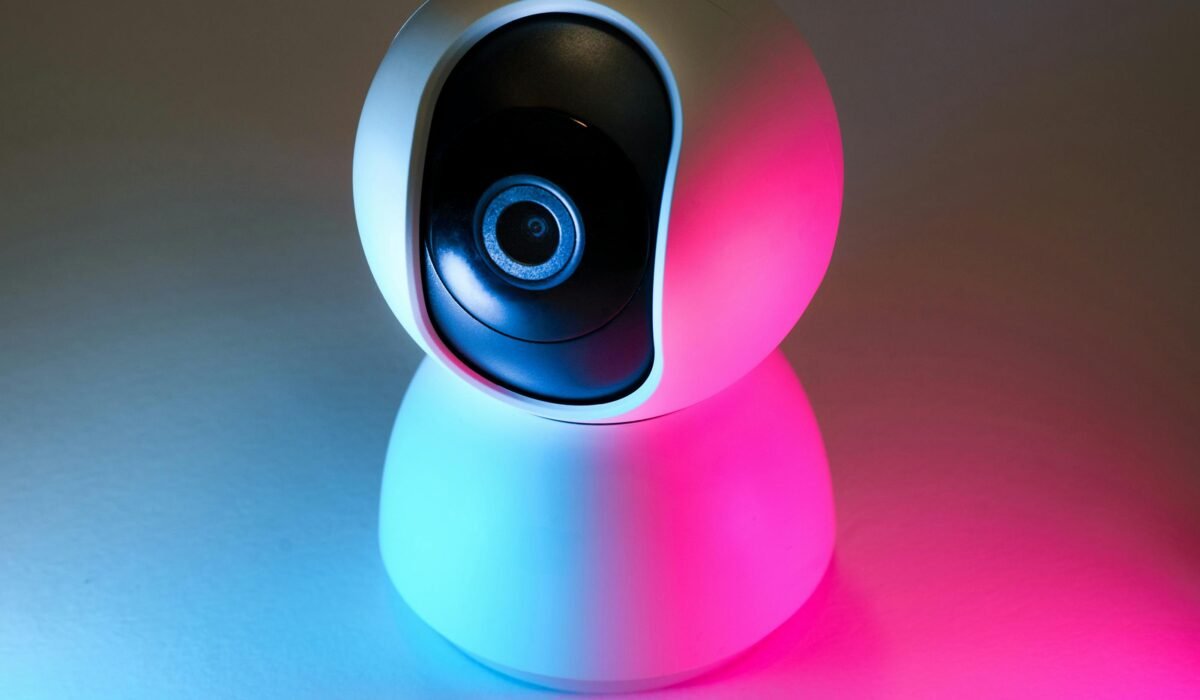
Are you wondering how to make your home truly smart and secure in an age of constant innovation? This AI-powered smart home security guide will demystify the technology, explain its practical benefits, and help you choose the right system to protect what matters most. We’ll cover everything from how AI works to navigating privacy concerns, ensuring you’re empowered to make informed decisions for your home’s safety.
What is AI-Powered Smart Home Security?
At its core, AI-powered smart home security integrates artificial intelligence into traditional home security systems, transforming them from reactive alarms into proactive, intelligent guardians. Instead of simply detecting motion, these systems use AI to understand and interpret what’s happening, making your home significantly safer.
Think of it this way: a traditional system might alert you every time a leaf blows past your window. An AI-powered system, however, can tell the difference between a falling leaf, a pet, and a potential intruder. This intelligence is what truly elevates modern home security cameras and sensors.
How Does AI Enhance Home Security Systems?
AI doesn’t just add a fancy feature; it fundamentally improves how your home is protected. By enabling systems to learn, adapt, and make informed decisions, AI makes security more efficient and reliable.
One of the biggest advantages is its ability to reduce false alarms. Ryan Park, Senior Product Director of Safety and Security at Resideo, highlights that AI’s significant contribution is the enhancement of smart notifications, responding to a consumer desire to limit nuisance alarms. In practice, AI-powered security systems can reduce false alarm rates by up to 90% compared to traditional systems, according to IHS Markit, because they can differentiate between real threats and harmless activities like pets or passing cars.
Furthermore, AI-enhanced security systems can alert homeowners or security personnel in as little as 2-5 seconds when suspicious activity is detected. This rapid response time is critical, as every second counts in a security event. This is a major aspect of how AI improves home safety.
Key AI Technologies Behind Smart Home Security
To truly understand your AI-powered smart home security guide, it’s helpful to grasp the fundamental technologies at play. These aren’t just buzzwords; they’re the engines driving your system’s intelligence.
- Machine Learning (ML) Security: This is the backbone of AI’s ability to learn and adapt. ML algorithms analyze vast amounts of data from your security sensors and cameras to identify patterns. For instance, your system learns what a person looks like versus a car or an animal, constantly refining its detection capabilities.
- Computer Vision Home: This technology allows security cameras to “see” and interpret images and videos. Instead of just recording footage, computer vision enables features like object detection (recognizing people, packages, or vehicles), facial recognition, and even gesture analysis. It’s what allows your camera to differentiate a delivery driver from a stranger loitering.
- Video Analytics Home: Building on computer vision, video analytics uses AI to automatically analyze live or recorded video streams for specific behaviors or events. This includes detecting unusual movement patterns, loitering, or objects left behind, then alerting you or security personnel.
- Natural Language Processing (NLP): While less direct for detection, NLP plays a role in voice-controlled smart home security systems. It allows you to use voice commands to arm or disarm your system, check camera feeds, or integrate with other smart devices, making the system more intuitive to manage.
Manar Alalfi, a computer science professor at Toronto Metropolitan University, notes the complexity of modern smart homes. She states, “Trying to test this vast and complicated system with traditional or purely random methods is like looking for a needle in a haystack.” This underscores why advanced AI, like the tools her team develops, is essential for truly robust security analysis.
Benefits of AI in Your Home Security System
Integrating AI into your home security offers a multitude of tangible advantages that go beyond simple alerts. These AI home security benefits make your system more effective, convenient, and reliable.
- Enhanced Accuracy and Fewer False Alarms: As mentioned, AI’s ability to differentiate between threats and benign events means you get fewer unnecessary alerts. This saves you stress and ensures you pay attention when it truly matters.
- Smarter, More Contextual Notifications: Instead of just “motion detected,” AI-powered systems can send smart notifications security alerts like “Person detected at front door” or “Package delivered.” This immediate context allows for quicker, more appropriate responses.
- Proactive Threat Detection: AI can identify suspicious patterns of behavior before an incident escalates. For example, a system might flag someone loitering for an extended period or returning multiple times, prompting an early warning.
- Personalized Security: Over time, AI learns your routines and preferences, adapting its monitoring to your lifestyle. It can recognize familiar faces (with your consent) and ignore your pets, customizing alerts to your specific needs.
- Faster Response Times: By rapidly analyzing events and reducing false positives, AI allows for quicker verification of actual threats, which can lead to faster dispatch of emergency services when professional monitoring is in place.
The market for smart home security systems is booming, illustrating consumer confidence in these benefits. The global smart home security market size is projected to reach approximately USD 163.15 billion by 2035, growing at a Compound Annual Growth Rate (CAGR) of 14.99% from 2025, according to Precedence Research. This growth is driven by the clear advantages AI brings to the table.
Addressing Privacy & Data Security in AI Smart Homes
While the advantages of AI in home security are clear, it’s natural to have questions about smart home security privacy and data security. After all, these systems are constantly observing and analyzing your environment. What most people miss is that you have significant control over these aspects.
Here’s how modern systems address these concerns and what you can do:
- Edge Computing Privacy: Many advanced AI security cameras now process data directly on the device itself, rather than sending all raw footage to the cloud. This “edge computing” minimizes the amount of sensitive data transmitted and stored externally, enhancing your privacy. Google Nest Cam, for instance, uses on-device processing for faster alerts and enhanced privacy.
- Robust Data Encryption Home Security: When data *is* sent to the cloud (for storage or advanced analysis), it should be protected with strong encryption protocols. Look for systems that use industry-standard encryption, both in transit and at rest. This makes it incredibly difficult for unauthorized parties to access your information.
- User Control Over Data: Reputable systems provide you with clear controls over your data. This includes options to delete recordings, manage who has access to your footage, and opt-in/out of specific AI features like facial recognition. Always review the privacy policy and data retention practices of any system you consider.
- Secure Cloud Storage: If you opt for cloud storage, ensure the provider has strong cybersecurity measures in place. This includes multi-factor authentication for your account and regular security audits of their servers.
Understanding how data is handled is crucial. For businesses, similar principles apply to prevent vulnerabilities. You can learn more about broader AI data security in our guide on how to prevent AI data poisoning.
Choosing Your AI Security: DIY vs. Professional Systems
When embarking on your AI-powered smart home security guide journey, a key decision is whether to go with a do-it-yourself (DIY) setup or a professionally installed and monitored system. Both have their merits, especially concerning AI features and ongoing support.
DIY AI Security Systems
DIY security cameras and systems are often more affordable upfront and offer flexibility in placement and expansion. Brands like Google Nest, Arlo, and eufy provide excellent AI features, such as person, package, and vehicle detection, often with on-device processing. You manage the installation, monitoring, and troubleshooting yourself, usually through a smartphone app.
The short answer is, DIY systems are great for tech-savvy individuals who want direct control and are comfortable managing their own security. However, while some offer advanced AI analytics, they typically lack the integrated response and always-on vigilance of professional monitoring.
Professional Monitoring AI Systems
Professionally installed systems, offered by companies like Vivint and ADT+, provide a comprehensive solution. They often integrate more sophisticated AI across a wider range of sensors and cameras, coupled with 24/7 professional monitoring. This means trained personnel respond to alerts, verify threats, and dispatch emergency services on your behalf.
These systems often feature more advanced AI analytics, like Vivint’s “Smart Deter” technology, which uses cameras with automated lights and sirens. While more expensive, they offer peace of mind, especially for those who prefer not to manage their security actively. About 37% of surveyed homeowners would definitely consider installing an AI-powered home security system, recognizing the value of such robust solutions.
Top AI-Powered Smart Home Security Systems
If you’re looking for the best AI security cameras and comprehensive systems, several brands stand out for their innovative use of AI. Here are some top contenders:
- Google Nest Cam: A leader in user-friendly AI, excelling at differentiating between people, animals, and vehicles with on-device processing for faster alerts and enhanced privacy. Its “Familiar Faces” facial recognition feature requires a Google Home Premium Standard subscription.
- Arlo Pro 5S 2K / Arlo Secure Ultimate: Known for crisp 2K HDR video and robust AI capabilities like package detection, often unlocked with an Arlo Secure plan. Arlo also offers user-trained custom object detection with its Secure Plus subscription.
- Ring Alarm Pro: Combines a security hub, Wi-Fi 6 router, and professional monitoring. Features AI-powered motion detection to minimize false alarms and integrates seamlessly with Amazon Alexa.
- Vivint Smart Hub: Offers premium smart home experiences with “Smart Deter” technology using AI-powered cameras with automated lights and sirens, comprehensive smart home integration, and 4K outdoor cameras with intelligent threat assessment.
- eufy Security Cameras (e.g., eufy 4G LTE Cam S330, eufy Indoor Cam S350): Praised for 4K Ultra HD cameras, 360° movement, human and vehicle detection, and BionicMind facial recognition. Many models offer dual storage options (local or cloud) and key AI features without annual fees.
- ADT+ with Google Nest: ADT has revamped its offerings, focusing on integration with Google Nest. This provides a professional system with enhanced AI features, such as facial recognition for trusted neighbors, combining expert monitoring with advanced AI.
These examples showcase the diverse range of options available, catering to different needs and budgets while leveraging powerful AI capabilities.
The Future of AI in Home Security
The journey of AI in home security is just beginning. As technology advances, we can expect even more sophisticated and integrated systems. Ryan Park of Resideo notes that “For professionals in the security industry, 2024 was the year that AI became normalized. Now, AI-driven security solutions are poised for further evolution, bringing new capabilities and challenges to the industry.”
The Electronic Security Association (ESA) also points out that AI is “transforming the electronic security industry by making systems more intelligent, responsive, and accurate.” We’ll likely see more predictive analytics, where systems not only react to events but anticipate potential threats based on environmental data and learned patterns. Further integration with smart home automation for security will create truly autonomous and responsive living spaces, where security is seamlessly woven into daily life.
Frequently Asked Questions
What is AI in smart home security?
AI in smart home security refers to the integration of artificial intelligence technologies like machine learning and computer vision into security systems. This enables them to intelligently analyze data from cameras and sensors, differentiate between real threats and false alarms, and provide more accurate and contextual alerts.
How AI is used in home security?
AI is used in home security to enhance detection, reduce false alarms, and provide smarter monitoring. It powers features like person, pet, and package detection in cameras, analyzes video footage for suspicious activity, and can even learn your home’s routines to identify anomalies, making your system more proactive and reliable.
What are the benefits of AI in security cameras?
The benefits of AI in security cameras include significantly reduced false alarms by distinguishing between humans and other objects, smarter notifications with specific event details, and faster response times due to accurate threat assessment. AI also enables advanced features like facial recognition and proactive behavior analysis, leading to more effective surveillance.
What are the privacy concerns with AI home security?
Privacy concerns with AI home security primarily revolve around data collection, storage, and potential misuse. To mitigate these, look for systems that use edge computing (processing data on the device), robust data encryption, and provide clear user controls over data access and retention. Always review a system’s privacy policy to understand how your data is handled.
Embracing AI-powered smart home security is a significant step towards a safer, more intelligent home. By understanding the technologies, benefits, and privacy considerations outlined in this AI-powered smart home security guide, you’re well-equipped to choose a system that offers unparalleled peace of mind. Start exploring your options today to experience the next generation of home protection.