Key Takeaways
- Studio headphones offer a flat frequency response for accurate audio monitoring, unlike consumer models.
- Closed-back studio headphones provide isolation for recording, while open-back models offer a wider soundstage for mixing.
- The global earphones and headphones market was valued at USD 19.17 billion in 2025, projected to reach USD 37.05 billion by 2034.
- Matching headphone impedance to your audio interface is crucial for optimal volume and sound quality.
- Comfort and durability are essential considerations for studio headphones, especially for extended use.
Are you wondering how to select the perfect pair of headphones for your audio work? It’s a common question for anyone diving into music production, podcasting, or sound engineering. Choosing the right studio headphones is paramount for accurate monitoring, allowing you to hear every detail and make informed decisions about your mix. This guide will break down the essential factors to help you choose studio headphones that will elevate your sound.
Quick Answer: Select studio headphones based on use: closed-back for recording isolation, open-back for mixing clarity. Prioritize flat frequency response, comfort for long sessions, and ensure impedance matches your audio interface.
What are Studio Headphones and Why Do You Need Them?
Studio headphones are specialized audio tools designed for critical listening and professional audio work. They differ significantly from consumer headphones, which often color the sound with boosted bass or treble to make music sound more “exciting.” The primary function when you choose studio headphones is to provide an accurate, uncolored representation of your audio. This accuracy is vital because it allows producers and engineers to hear precisely what’s in the mix, enabling them to identify subtle flaws, make precise adjustments, and ensure their audio translates well across different playback systems. If you want to make professional-sounding recordings or mixes, you absolutely need to choose studio headphones.
Professional or studio headphones are engineered for accuracy, featuring a flat frequency response. This means they aim to reproduce sound across the audible spectrum (typically 20 Hz to 20 kHz) without emphasizing any particular frequencies. Consumer headphones, conversely, are often designed to accentuate certain frequencies, like bass or treble, for a more pleasing, though less accurate, listening experience. This fundamental difference is why you must choose studio headphones for critical audio tasks.
The market for these essential tools is substantial; the global earphones and headphones market size was valued at USD 19.17 billion in 2025. This figure is projected to grow to USD 37.05 billion by 2034, according to Fortune Business Insights (2024), underscoring their widespread importance in both professional and consumer markets. When you choose studio headphones, you’re investing in a tool that ensures your audio decisions are based on reality, not artificial enhancements. This precision is the bedrock of professional audio production. Learning how to choose studio headphones effectively will save you time and improve your results.
Why You Need Studio Headphones
In practice, relying on consumer headphones for mixing or mastering can lead to disappointing results. The exaggerated bass on your favorite consumer cans might sound great, but it can mask muddiness in your mix that will be audible on flatter systems. Similarly, boosted treble can make your mix sound harsh when played back on accurate headphones or speakers. To avoid these pitfalls, you need to choose studio headphones. They serve as your reliable reference point, ensuring that what you hear is a true representation of your sound.
Studio headphones are indispensable for audio monitoring, providing accurate real-time feedback during recording sessions, according to Pro Audio Files. They are the lifeblood of music production, allowing for detailed sound analysis down to every nuance. This is why so many professionals choose studio headphones as their primary listening tool. They help artists produce music as intended, so fans can better immerse themselves without any static disturbances that ruin the listening experience, as stated by ElectroIQ (2025).
Open-Back vs. Closed-Back: Which Studio Headphones Are Right for You?
When you begin to choose studio headphones, one of the first major distinctions you’ll encounter is between open-back and closed-back designs. Each type offers distinct advantages and disadvantages depending on your specific needs in the studio. Understanding this difference is a critical step in selecting the best pair for your workflow.
Open-Back Headphones: The Mixing Choice
Open-back headphones feature earcups with perforations or grilles, allowing air and sound to pass through. This design results in a more natural, spacious soundstage that mimics the experience of listening to speakers in a room. For mixing, mastering, and critical listening, many audio engineers prefer open-back headphones because they offer superior clarity and detail, reducing ear fatigue during long sessions. They provide a more realistic spatial representation of the audio.
The advantage of open-back headphones is their ability to deliver a wider, more natural soundstage. This makes it easier to pinpoint the placement of instruments in a mix and assess the stereo image. Many professionals choose studio headphones with an open-back design for mixing because they help reveal subtle nuances and spatial cues that might be missed with closed-back models. For mixing clarity, it’s often best to choose studio headphones that are open-back.
Open-back designs are excellent for mixing and mastering because they offer a more natural soundstage, according to SoundGuys (2024). This allows for a more accurate perception of stereo imaging and instrument separation. If your primary task is mixing, you should definitely choose studio headphones that are open-back.
Closed-Back Headphones: The Recording Essential
Closed-back headphones have solid earcups that seal around your ears. This design is crucial for isolation, meaning they prevent sound from leaking out and also block external noise from entering. This isolation is essential when recording, especially vocals or acoustic instruments, as it prevents the headphone audio from bleeding into the microphone and being captured in the recording. If you need to choose studio headphones for tracking, closed-back is usually the way to go.
The primary benefit of closed-back headphones is their ability to prevent sound leakage. This is non-negotiable for recording sessions where bleed can ruin a take. They also offer better noise isolation, which can be helpful in noisy environments or when you need to focus intensely on the audio source. For recording applications, you must choose studio headphones that are closed-back to avoid audio bleed.
Closed-back headphones provide isolation essential for recording, preventing audio from bleeding into microphones. This makes them indispensable for vocalists and instrumentalists during tracking sessions. If you plan to record, you need to choose studio headphones that offer this crucial isolation feature.
Choosing Between Open and Closed-Back
Many audio professionals end up owning both types of headphones to cover all bases. However, if you’re just starting, consider your primary use case. If you spend more time mixing and mastering, lean towards open-back. If you’re predominantly recording, closed-back is your priority. It’s a fundamental decision when you choose studio headphones.
Tip: Some headphones are semi-open, offering a compromise between isolation and soundstage. These can be a good option if you’re unsure or need versatility. Nevertheless, for specialized tasks, it’s best to choose studio headphones that fit the open or closed-back category.
Understanding Frequency Response: The Key to Accurate Monitoring
When you decide to choose studio headphones, understanding frequency response is perhaps the most critical technical specification. It describes how a headphone reproduces sound across the entire range of human hearing, typically measured from 20 Hz (low bass) to 20 kHz (high treble). The goal for studio headphones is a “flat” frequency response, meaning they reproduce all frequencies at roughly the same volume level.
A flat frequency response means the headphones are transparent; they don’t add their own “color” or bias to the sound. This accuracy is paramount for making informed mixing decisions. For example, if your headphones artificially boost the bass, you might mix your basslines too quietly, only to find they are inaudible on other systems. Conversely, if they boost the treble, you might mix your vocals too softly. To truly hear your mix as it is, you must choose studio headphones with a flat frequency response.
The flatter the frequency response, the easier it’ll be to catch and correct errors such as unwanted white noise or buzz. This helps artists produce music as intended, so fans can better immerse themselves without any static disturbances that ruin the listening experience, as noted by ElectroIQ (2025). This is why professionals meticulously choose studio headphones that offer this level of fidelity. A well-tuned frequency response is the hallmark of good studio headphones.
What is a Flat Frequency Response?
A flat frequency response signifies that the headphone’s output is balanced across the audible spectrum. While perfect flatness is practically impossible, high-quality studio headphones aim to be as neutral as possible. This allows you to hear the true character of your audio source, including the intended dynamics, the subtle details of reverb tails, and the precise balance between instruments. Choosing studio headphones with a flat response is an investment in sonic truth.
Key Insight: Consumer headphones often have “smiley-face” EQ curves, boosting bass and treble. Studio headphones avoid this to present an honest picture of the audio. When you choose studio headphones, you’re opting for analytical accuracy over artificial excitement. This commitment to neutrality is what makes them essential tools for audio professionals.
How Frequency Response Impacts Mixing
When you choose studio headphones, their frequency response directly influences your mixing decisions. A neutral response allows you to accurately judge the balance of your instruments, the clarity of your vocals, and the overall tonal character of your track. You can trust that if it sounds good on your flat-response headphones, it will likely sound good everywhere else. This reliability is invaluable, especially when you are trying to choose studio headphones that will serve you well for years.
Expert Quote: “Pro or studio headphones are designed for accuracy. Consumer headphones are often designed to accentuate certain frequencies, like bass or treble. Pro headphones have flat frequency response, so you can hear your recordings as they really sound.” This highlights the fundamental difference and the reason to choose studio headphones for critical work.
Impedance Explained: Matching Headphones to Your Audio Interface
Another crucial technical specification to consider when you choose studio headphones is impedance, measured in Ohms (Ω). Impedance refers to the headphone’s electrical resistance to the audio signal. It’s not about sound quality directly, but rather about how much power is needed to drive the headphones to an adequate listening volume.
Low Impedance Headphones (Under 50 Ohms)
Headphones with lower impedance (typically below 50 Ohms) are easier to drive. They can usually be powered sufficiently by most consumer devices like smartphones, laptops, and basic audio interfaces. If you have a standard audio interface with a built-in headphone amplifier, these are often a safe bet. You can easily choose studio headphones in this range without worrying too much about compatibility.
Low-impedance headphones are generally suitable for most common audio sources. They require less voltage from the output device to reach a satisfactory listening level. This makes them a versatile choice for many users looking to choose studio headphones for general use or for connection to a variety of devices.
High Impedance Headphones (Over 50 Ohms)
Headphones with higher impedance (often 80 Ohms, 250 Ohms, or even higher) require more power to reach the same volume as low-impedance headphones. While they can offer benefits like potentially better sound quality, clarity, and dynamics, they often necessitate a dedicated headphone amplifier or a more powerful output from your audio interface. If your audio interface has a weak headphone out, high-impedance headphones might sound too quiet or lack punch.
High-impedance headphones can provide superior sound quality and a more dynamic listening experience when properly powered. However, they demand more from your audio source. If you plan to use these, ensure your setup can provide adequate power. When you choose studio headphones with high impedance, factor in the need for a headphone amplifier.
Matching Impedance to Your Gear
The key is to match the impedance of your headphones to the output power of your audio interface or amplifier. Many audio interfaces are designed to handle headphones in the 30-80 Ohm range effectively. If you plan to use high-impedance headphones, you might need to invest in an external headphone amplifier. This ensures you can drive them properly and get the best performance. It’s a vital consideration when you choose studio headphones for a professional setup.
Rule of Thumb: For most home studios with standard audio interfaces, headphones in the 32-80 Ohm range are a good balance. If you have a powerful interface or a dedicated amp, you can explore higher impedance options. Always check the specifications of both your headphones and your audio interface before you choose studio headphones.
Comfort and Durability: Essential Factors for Long Sessions
Beyond sound quality and technical specifications, comfort and durability are paramount when you choose studio headphones. You’ll likely be wearing them for hours on end during recording sessions, mixing marathons, or critical listening. Uncomfortable headphones can lead to fatigue, distraction, and even physical discomfort, hindering your productivity and creativity. Durability ensures your investment lasts.
Comfort for Extended Wear
Look for headphones with plush, breathable earcups that fit comfortably over your ears without excessive clamping force. Adjustable headbands and lightweight designs also contribute to long-term comfort. Memory foam ear pads can mold to your head shape, providing a custom fit. If you spend significant time in the studio, comfort is a non-negotiable factor when you choose studio headphones.
Comfort is crucial for studio headphones, especially for long mixing or production sessions. If headphones cause ear fatigue or discomfort, your ability to focus is compromised. Prioritizing a comfortable fit ensures you can work effectively for extended periods. This is why many engineers choose studio headphones with ergonomic designs.
Durability and Build Quality
Studio headphones are often subjected to more wear and tear than consumer models. Look for robust construction materials, sturdy hinges, and replaceable parts like ear pads and cables. Brands like Beyerdynamic and Sennheiser are known for their durable builds and the availability of replacement parts, which can extend the lifespan of your headphones significantly. When you choose studio headphones, consider how well they are built to withstand daily studio use.
The Sony MDR-7506 has been a studio standard for decades, partly due to its remarkable durability and replaceable parts. This longevity makes it a wise investment for many audio professionals. When you choose studio headphones, consider models that are built to last and offer easy maintenance.
Maintenance Tips
Regular cleaning of earcups and cables, along with proper storage, can help maintain your headphones. Replacing worn-out ear pads is also essential for both comfort and sound quality, as degraded pads can affect the seal and frequency response. Investing in a good pair of studio headphones means also considering their maintenance. Learning how to choose studio headphones that are easy to maintain is a smart move.
Practical Advice: Always store your headphones carefully, preferably in a case or on a stand, to protect them from dust and accidental damage. This simple habit will help preserve the quality of the headphones you choose studio headphones as.
How to Choose Studio Headphones for Specific Tasks (Recording vs. Mixing)
The best approach when you choose studio headphones is to align the headphone’s design with its primary function in your workflow. While some headphones are versatile, others excel in specific areas. Understanding the nuances between recording and mixing will guide you toward the most effective pair.
Choosing Headphones for Recording
When recording, the absolute priority is to prevent headphone audio from bleeding into the microphone. This makes closed-back studio headphones the standard choice. They provide excellent isolation, ensuring that only the performer’s voice or instrument is captured cleanly. For performers, headphones need to be comfortable enough for extended takes and loud enough to provide a clear cue mix without distortion.
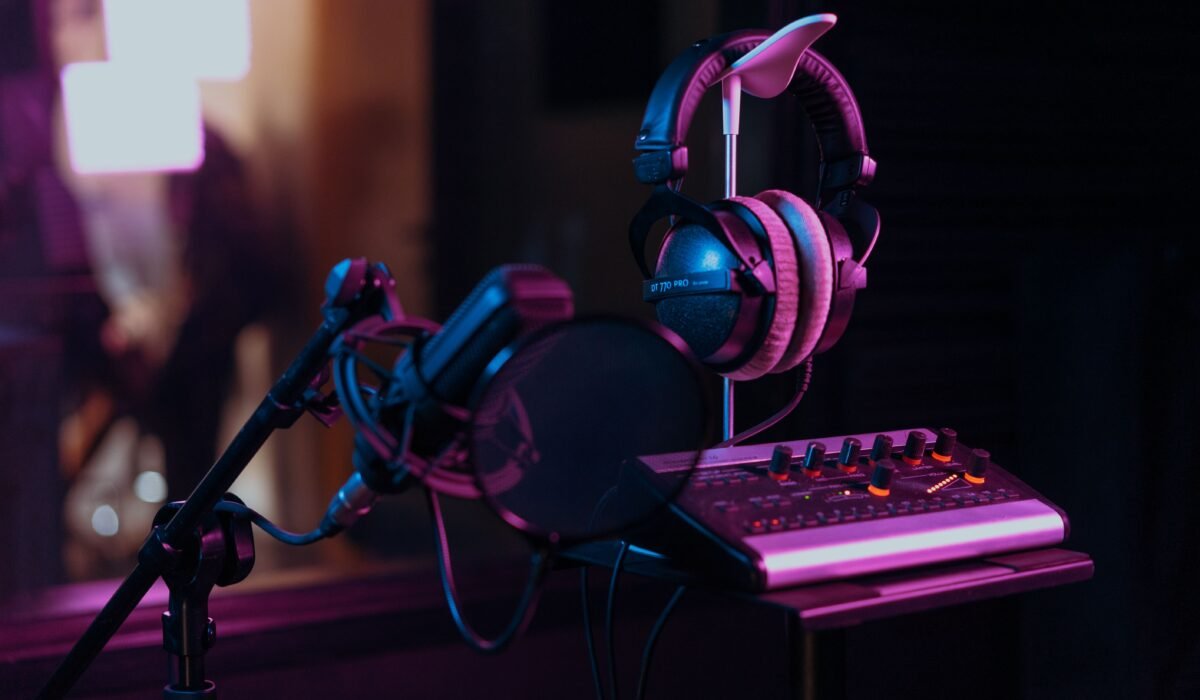
For recording, focus on isolation and a clear, present sound. You don’t need an expansive soundstage here; you need a reliable seal. When you choose studio headphones for recording, ensure they are closed-back. Models like the Beyerdynamic DT 770 Pro are popular choices for their robust isolation and durability in recording environments. This makes them a great option if you need to choose studio headphones for tracking.
Choosing Headphones for Mixing and Mastering
Mixing and mastering demand the most accurate representation of your audio possible. This is where open-back studio headphones often shine. Their natural soundstage and wider frequency response help engineers identify subtle issues, judge stereo width, and make precise EQ and balance decisions. The goal is transparency and detail, allowing you to “see” into the mix.
When you choose studio headphones for mixing, prioritize a neutral frequency response and a spacious soundstage. This allows for critical listening and accurate assessment of sonic details. Many audio engineers prefer open-back designs like the Sennheiser HD 600 or AKG K240 Studio for their ability to reveal sonic nuances. Learning to choose studio headphones for mixing is key to professional results.
Versatile Options
Some headphones, like the Audio-Technica ATH-M50x, are often considered good all-rounders. They offer decent isolation (being closed-back) while providing a relatively balanced sound profile that can work for both tracking and mixing, especially for beginners. However, for the highest level of accuracy in mixing, dedicated open-back models are usually superior. If you must choose studio headphones for a multitude of tasks, consider a versatile, well-regarded model.
Dual-Purpose Strategy: Many professionals use a primary pair of open-back headphones for mixing and a secondary pair of closed-back headphones for recording or for checking mixes on different systems. This comprehensive approach ensures you can accurately choose studio headphones for every situation.
Top Studio Headphone Brands and Models to Consider
When you’re ready to choose studio headphones, several reputable brands consistently deliver quality and performance. These manufacturers have a long history of serving the professional audio community, and their products are trusted by engineers worldwide. Exploring these options can significantly narrow down your choices.
Iconic & Reliable Brands
When you choose studio headphones, you’ll quickly see certain names appear repeatedly. Brands like Beyerdynamic, Audio-Technica, Sony, Sennheiser, and AKG are industry staples. Each offers a range of models suited for different budgets and applications. For instance, Beyerdynamic is known for its robust build and clear sound, while Audio-Technica offers excellent value, particularly with models like the ATH-M50x. These brands are a safe bet when you need to choose studio headphones.
The Sony MDR-7506 is a legendary choice, often found in broadcast studios and home setups alike. Its clarity and ruggedness have made it a go-to for decades. Similarly, Sennheiser offers a range of acclaimed headphones, from entry-level to high-end audiophile models, all built with precision. If you are looking to choose studio headphones, these brands represent a solid starting point.
Recommended Models for Different Needs
- Beyerdynamic DT 770 Pro (Closed-Back): A very popular choice for recording and general studio use due to its excellent isolation, comfort, and durable build. Many beginners choose studio headphones like this one.
- Audio-Technica ATH-M50x (Closed-Back): Often cited as a top pick for electronic music producers, offering a punchy low-end and solid all-around performance for both tracking and mixing. It’s a great option to choose studio headphones from.
- Sony MDR-7506 (Closed-Back): A long-standing industry standard, known for its bright, detailed sound and exceptional durability. Essential for many broadcast and recording engineers who choose studio headphones for critical monitoring.
- Sennheiser HD 490 PRO (Open-Back/Closed-Back variants): Designed for music producers, these offer comfort, clarity, and versatility with swappable ear pads. A strong contender if you want to choose studio headphones for detailed mixing.
- AKG K240 Studio (Semi-Open-Back): A budget-friendly and popular option for beginners. It offers a good balance of isolation and soundstage, making it a versatile choice when you need to choose studio headphones affordably.
When you choose studio headphones, consider these trusted models as benchmarks. Each offers a different balance of features, but all are respected in the audio community. The best pair for you depends on your specific needs and budget. So, take your time and choose studio headphones that fit your unique workflow.
| Feature | Closed-Back Headphones | Open-Back Headphones | Semi-Open Headphones |
|---|---|---|---|
| Isolation | Excellent (blocks external noise, prevents bleed) | Poor (sound leaks in and out) | Moderate |
| Soundstage | Narrower, more intimate | Wider, more natural, spacious | Balanced |
| Primary Use Case | Recording, tracking, noisy environments | Mixing, mastering, critical listening | General studio use, versatile tasks |
| Examples | Beyerdynamic DT 770 Pro, Sony MDR-7506, Audio-Technica ATH-M50x | Sennheiser HD 600, Beyerdynamic DT 990 Pro, Audio-Technica ATH-R30x | AKG K240 Studio, Sennheiser HD 560S |
| Recommendation for Beginners | Good for starting recording | Best for dedicated mixing rooms | A versatile first choice to choose studio headphones from |
This comparison table helps illustrate the fundamental differences when you choose studio headphones. Each type serves a purpose, and understanding these distinctions is key to making an informed decision. You can confidently choose studio headphones that align with your primary audio tasks.
Frequently Asked Questions
What is the difference between studio and regular headphones?
Studio headphones are designed for accuracy with a flat frequency response, unlike consumer headphones that often accentuate bass and treble. This means studio headphones let you hear your audio exactly as it is, which is essential for professional work. The global earphones and headphones market size was valued at USD 19.17 billion in 2025, according to Fortune Business Insights (2024), highlighting the diverse applications for headphone technology.
What headphones do most producers use?
Many producers use a variety of headphones depending on the task, but popular choices include the Beyerdynamic DT 770 Pro for recording isolation, the Audio-Technica ATH-M50x for versatility, and open-back models like the Sennheiser HD 600 series or AKG K240 Studio for mixing clarity. The key is that they choose studio headphones that offer accurate monitoring.
What impedance is best for studio headphones?
The “best” impedance depends on your audio interface or amplifier. Low impedance (under 50 Ohms) works with most devices, while high impedance (over 80 Ohms) often requires a headphone amplifier for optimal volume and clarity. When you choose studio headphones, check their impedance against your gear’s output power. Studies suggest that headphones priced between USD 500 and USD 1000 are expected to hold the largest share in the premium segment as of 2025 (Coherent Market Insights).
Are open-back headphones good for mixing?
Yes, open-back headphones are generally considered excellent for mixing because they provide a more natural and spacious soundstage. This helps engineers better judge stereo imaging, instrument placement, and the overall acoustic space of a mix. For accurate mixing, it’s highly recommended to choose studio headphones that are open-back.
How do I choose headphones for my home studio?
To choose studio headphones for your home studio, first determine your primary use: closed-back for recording isolation, open-back for mixing clarity. Prioritize a flat frequency response for accuracy and ensure comfort for long sessions. Also, match the headphone impedance to your audio interface’s output power. Learning how to choose studio headphones wisely is a foundational skill for any home studio owner.
Choosing the right studio headphones is a critical step in your audio journey. By understanding the differences between open-back and closed-back designs, prioritizing a flat frequency response, and considering impedance and comfort, you can make an informed decision. Ultimately, the goal is to choose studio headphones that provide accurate, reliable monitoring, empowering you to create your best work. Start exploring trusted brands and models to find the perfect pair that helps you choose studio headphones wisely.