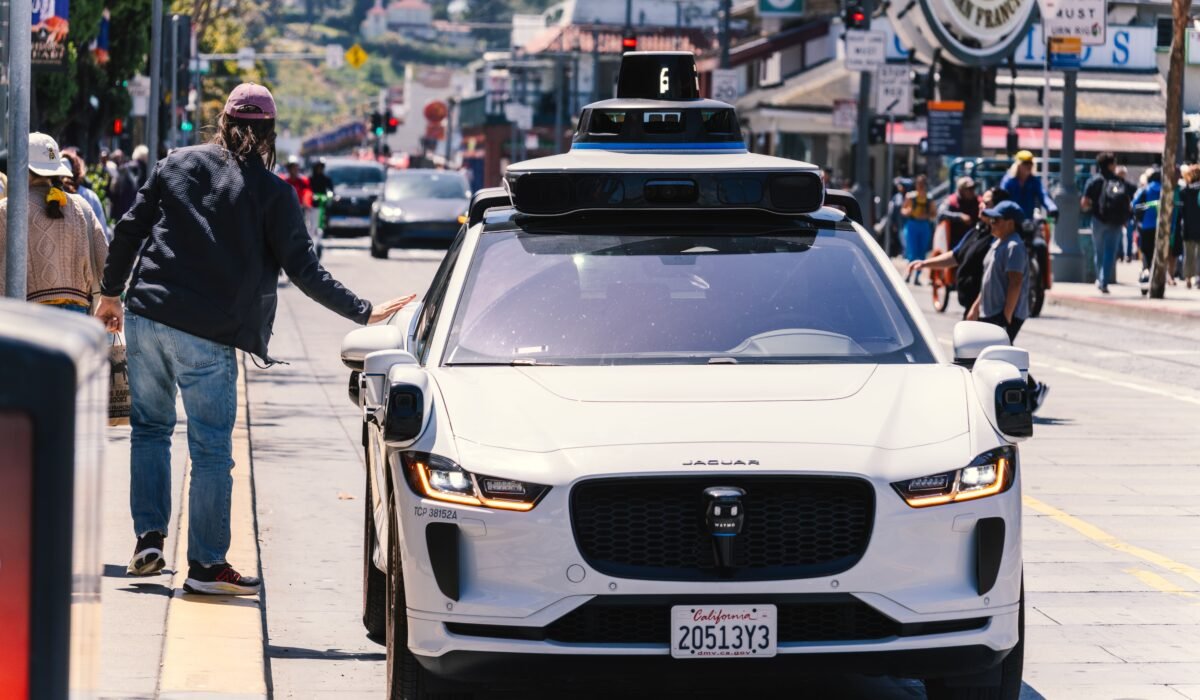
Key Takeaways
- AI makes cars safer by analyzing vast amounts of data to predict and prevent hazards.
- Advanced Driver-Assistance Systems (ADAS) powered by AI can reduce collision risks by over 25%.
- Human error is a factor in approximately 94% of all automobile accidents, a statistic AI aims to combat.
- Driver monitoring systems use AI to detect fatigue and distraction, preventing accidents related to driver impairment.
- The integration of sensor data by AI allows vehicles to build a comprehensive understanding of their surroundings, enhancing safety.
Are you wondering how the vehicles around you are becoming significantly less likely to be involved in an accident? The answer lies in the incredible advancements of artificial intelligence, fundamentally changing how we perceive automotive safety. This article will explore exactly how AI making cars safer is not just a concept but a present-day reality, detailing the technologies and strategies that are protecting drivers, passengers, and pedestrians alike.
Quick Answer: AI makes cars safer through ADAS, predictive maintenance, and driver monitoring. It analyzes sensor data to predict hazards, prevent collisions, and alert drivers, significantly reducing accident risks.
How is AI making cars safer today?
AI making cars safer today is primarily achieved through its ability to process vast amounts of real-time data and make rapid, informed decisions that a human driver might miss or react to too slowly. This technology acts as an ever-vigilant co-pilot, constantly scanning the environment, anticipating potential issues, and intervening when necessary. From identifying pedestrians in low light to predicting tire pressure drops, AI is revolutionizing vehicle safety.
Collision avoidance systems, a direct application of AI, can reduce collision risk by 25% or more, according to various automotive safety studies. These systems are not futuristic dreams but are integrated into many vehicles currently on the road, demonstrating that AI making cars safer is a present-day phenomenon. The ongoing development ensures that AI making cars safer will continue to evolve, offering even greater protection.
The core principle behind AI making cars safer involves enhanced perception, prediction, and reaction capabilities. Algorithms analyze sensor inputs to understand the driving environment, forecast potential dangers, and execute evasive maneuvers or alerts faster than humanly possible. This proactive approach is key to how AI making cars safer is transforming the automotive landscape.
- AI-powered systems can identify and react to hazards up to 1.5 seconds faster than human drivers.
- The integration of AI is leading to a measurable decrease in severe accidents, with reported injuries trending down year-over-year.
The proactive nature of AI is what truly sets it apart. Instead of just reacting to a crash, AI making cars safer focuses on preventing the incident from occurring in the first place. This shift from reactive to predictive safety measures is a significant leap forward.
What are the key AI safety features in modern cars?
The key AI safety features in modern cars are sophisticated systems designed to assist drivers and, in some cases, take control to prevent accidents, proving that AI making cars safer is already here. These features leverage artificial intelligence to interpret complex driving scenarios and react instantaneously, significantly enhancing the overall safety of the vehicle. The continuous refinement of these AI car safety features is a testament to the ongoing effort to make driving safer.
Automatic Emergency Braking (AEB) systems, for instance, can reduce rear-end crashes by 38%, according to data analyzed by the National Highway Traffic Safety Administration (NHTSA). This is a prime example of AI making cars safer by intervening directly to avoid collisions. The effectiveness of these systems underscores the importance of AI making cars safer.
Other critical AI safety features include Lane Keeping Assist (LKA), Adaptive Cruise Control (ACC), and Blind Spot Monitoring. Each of these systems uses AI to monitor the vehicle’s surroundings and the driver’s actions, providing alerts or taking corrective steering and braking actions. The proliferation of these technologies highlights how central AI making cars safer has become to automotive design.
AI making cars safer is also evident in hands-free driving systems. Companies like GM with its Super Cruise and Ford with its BlueCruise offer advanced systems that use AI to manage steering, acceleration, and braking on compatible highways, allowing drivers to take their hands off the wheel under specific conditions. These systems are rigorously tested, reinforcing the commitment to AI making cars safer.
Key AI Safety Features:**
- Automatic Emergency Braking (AEB): Detects imminent collisions and applies brakes automatically.
- Lane Keeping Assist (LKA): Uses cameras to detect lane markings and provides subtle steering corrections.
- Adaptive Cruise Control (ACC): Maintains a set speed and distance from the vehicle ahead, adjusting automatically.
- Blind Spot Monitoring: Uses sensors and AI to alert drivers to vehicles in their blind spots.
- Forward Collision Warning (FCW): Alerts drivers to potential frontal collisions.
These features collectively contribute to a significant reduction in accidents, proving that AI making cars safer is a tangible benefit available to consumers today. The continuous innovation in AI car safety features ensures that vehicles will become even more protective.
How does AI enable predictive maintenance for car safety?
AI enables predictive maintenance for car safety by analyzing vehicle sensor data to identify potential component failures before they occur, thereby preventing critical safety issues. Instead of waiting for a part to break and cause an accident, AI systems can flag anomalies and alert drivers or service centers for proactive repairs. This predictive capability is a cornerstone of how AI making cars safer extends beyond immediate driving assistance.
For instance, AI algorithms can monitor the performance of brakes, tires, and battery systems, identifying subtle degradation patterns that precede failure. This allows for timely interventions, ensuring that essential safety components remain in optimal condition. The focus here is on preventing issues, a core tenet of AI making cars safer.
Rivian AI, for example, has developed automated digital vehicle inspection systems that leverage AI to predict potential failures. This proactive approach means that common causes of roadside breakdowns, which can themselves lead to dangerous situations, are addressed early. It’s a clear demonstration of AI making cars safer through system integrity.
Predictive Maintenance Benefits:**
- Early Detection: Identifies potential issues with brakes, tires, batteries, and other critical systems.
- Reduced Breakdowns: Minimizes unexpected failures that can leave drivers stranded in unsafe locations.
- Optimized Safety Component Life: Ensures that vital safety equipment is always functioning optimally.
- Cost Savings: Proactive repairs are often less expensive than emergency fixes.
By shifting maintenance from a reactive to a predictive model, AI making cars safer ensures that the vehicle’s safety systems are always in peak condition. This continuous monitoring and analysis is a powerful, albeit often unseen, aspect of AI making cars safer.
Can AI prevent accidents caused by human error?
Yes, AI can prevent accidents caused by human error by taking over critical driving functions, providing alerts, and mitigating driver mistakes, which is a significant aspect of AI making cars safer. Human error is a leading cause of traffic accidents, and AI is uniquely positioned to address this pervasive issue. The development of AI car safety features directly targets these human frailties.
Human error contributes to nearly 94% of all automobile accidents, according to the U.S. Department of Transportation. This staggering statistic highlights the immense potential for AI making cars safer by compensating for human limitations like distraction, fatigue, and poor judgment. AI doesn’t get tired or distracted.
Distraction alone was responsible for 3,275 fatalities and approximately 324,819 injuries in the United States in 2023, according to the NHTSA. AI-powered systems, such as advanced driver monitoring and automatic emergency braking, can detect when a driver is not paying attention or is about to miss a hazard and intervene. This intervention is crucial for AI making cars safer.
Similarly, an estimated 328,000 crashes occur annually due to driver fatigue. AI making cars safer can combat this by monitoring driver behavior for signs of drowsiness, such as frequent blinking or head nodding, and issuing alerts to wake the driver or suggest a rest stop. This proactive approach is a key benefit of AI making cars safer.
AI vs. Human Error in Accidents:**
| Cause of Accident | Percentage/Number | How AI Helps |
|---|---|---|
| Human Error (General) | ~94% | AI systems provide constant vigilance and rapid response. |
| Distraction | 3,275 fatalities, 324,819 injuries (2023) | Driver monitoring systems detect inattention and alert drivers. |
| Fatigue | ~328,000 crashes annually | AI detects drowsiness and provides alerts or interventions. |
By continuously monitoring the driving environment and the driver’s state, AI making cars safer actively works to counteract the common causes of accidents rooted in human fallibility. This makes AI making cars safer a critical component of future transportation.
What is the role of AI in driver monitoring systems?
The role of AI in driver monitoring systems is to analyze driver behavior and physiological signs to detect signs of fatigue, distraction, or impairment, thereby enhancing vehicle safety. These systems use cameras and sensors to observe the driver, with AI algorithms interpreting the collected data to determine if the driver is alert and attentive. This is a vital function for AI making cars safer.
AI-powered Driver Monitoring Systems (DMS) can track eye gaze, head position, and blinking patterns to gauge alertness levels. If the AI detects signs of drowsiness or distraction, it can trigger audible or visual alerts to the driver. This immediate feedback loop is fundamental to how AI making cars safer operates in real-time.
Companies like Magna and Caredrive offer AI-powered DMS solutions that are being integrated into vehicles. These systems are designed not just to alert but also to understand context, differentiating between a driver momentarily looking away and one who is deeply distracted or falling asleep. This nuanced understanding is a strength of AI making cars safer.
Driver Monitoring System (DMS) Functions:**
- Fatigue Detection: Identifies signs of drowsiness through eye and head movement analysis.
- Distraction Alerts: Detects when a driver’s attention is off the road for too long.
- Gaze Tracking: Monitors where the driver is looking to ensure focus on the driving task.
- Driver Identification: Some systems can recognize individual drivers and adjust settings accordingly.
By acting as an intelligent guardian of the driver’s attention, AI making cars safer ensures that the human element of driving is supported and, when necessary, corrected. The continuous improvement of these systems means AI making cars safer will become even more effective.
How does AI integrate sensor data for enhanced safety?
AI integrates sensor data for enhanced safety by fusing information from multiple sources like cameras, radar, LiDAR, and ultrasonic sensors to create a comprehensive, 360-degree understanding of the vehicle’s surroundings. This unified perception allows the AI to identify potential hazards, predict the behavior of other road users, and make informed decisions to prevent accidents. The sophisticated data fusion is central to how AI making cars safer operates.
This complex integration allows the AI to overcome the limitations of individual sensors. For example, cameras provide rich visual detail, radar can detect objects in adverse weather, and LiDAR offers precise distance measurements. When AI combines these inputs, it builds a more robust and reliable picture of the driving environment than any single sensor could achieve alone. This is a critical aspect of AI making cars safer.
May Mobility, for instance, employs an AI-driven system that fuses a predictive world model with a real-time reasoning engine. This allows their autonomous vehicles to simulate future scenarios and select the safest driving strategy, demonstrating the power of integrated sensor data for AI making cars safer. The goal is always to achieve a higher level of safety than human drivers can consistently provide.
Sensor Data Integration Benefits:**
- 360-Degree Awareness: Creates a complete view of the vehicle’s environment.
- Redundancy: If one sensor fails or is compromised, others can compensate.
- Improved Object Recognition: AI can better identify and classify objects (e.g., pedestrians, cyclists, other vehicles).
- Predictive Capabilities: Enables the AI to anticipate the movements of other road users.
This seamless integration of diverse sensor inputs is fundamental to the advanced capabilities of modern vehicles, ensuring that AI making cars safer is supported by the most accurate and comprehensive environmental awareness possible. The ongoing advancements in sensor technology and AI algorithms continue to push the boundaries of AI making cars safer.
What is the future of AI in automotive safety?
The future of AI in automotive safety promises even more advanced systems that will move towards fully autonomous driving, drastically reducing accidents and fatalities, cementing the role of AI making cars safer. We can expect AI to become even more predictive, proactive, and integrated into every facet of vehicle operation and driver support. The trajectory clearly shows AI making cars safer at an unprecedented rate.
Experts predict that AI will lead to vehicles capable of handling nearly all driving scenarios autonomously, significantly reducing the nearly 94% of accidents attributed to human error. This future vision is one where AI making cars safer is the norm, not the exception. The continued development of AI car safety features is geared towards this ultimate goal.
Companies like Tesla continue to push the boundaries with systems like Full Self-Driving (FSD), aiming for a future where AI handles the entire driving task. While still under development, the data from these systems provides valuable insights into how AI making cars safer can perform. For example, in 2023, Tesla reported an accident rate of 0.18 per million miles driven with FSD, compared to the US average of 1.53 per million miles, showcasing the potential of AI making cars safer. This comparison illustrates the significant safety improvements AI can bring.
Furthermore, AI will likely play a larger role in vehicle-to-everything (V2X) communication, allowing cars to communicate with each other and with infrastructure to anticipate hazards miles in advance. This interconnectedness, powered by AI, represents the next frontier in AI making cars safer, creating a coordinated safety network on our roads. The future is bright for AI making cars safer.
Future AI Safety Advancements:**
- Full Autonomy: AI systems capable of handling all driving tasks without human intervention.
- Advanced V2X Communication: Vehicles communicating with each other and infrastructure for enhanced hazard awareness.
- Personalized Safety: AI adapting safety interventions to individual driver habits and preferences.
- AI-Powered Accident Reconstruction: Faster and more accurate analysis of crash data to improve future safety.
The ongoing commitment to research and development ensures that AI making cars safer will continue to evolve, offering unparalleled protection and transforming the driving experience for the better. The ultimate goal is a future where traffic fatalities are virtually eliminated, a vision made possible by AI making cars safer.
Frequently Asked Questions
How is AI used in car safety?
AI is used in car safety through advanced driver-assistance systems (ADAS), predictive maintenance, and driver monitoring. It analyzes sensor data to prevent collisions, detect driver fatigue, and predict component failures, significantly enhancing overall vehicle protection. This comprehensive approach is why AI making cars safer is so effective.
Is AI making cars safer?
Yes, AI is making cars significantly safer by reducing accident risks through features like automatic emergency braking and lane keeping assist. These systems react faster and more consistently than humans, addressing a large portion of accidents caused by human error. For instance, automatic emergency braking systems can reduce rear-end crashes by 38%, according to the NHTSA.
What are the benefits of AI in cars?
The primary benefits of AI in cars include enhanced safety through accident prevention, improved driver assistance, predictive maintenance for reliability, and increased fuel efficiency. AI helps reduce human error, making driving less stressful and more secure. The continuous evolution of AI car safety features promises even greater advantages.
What are the limitations of AI in cars?
Limitations of AI in cars include its reliance on high-quality data for training, potential performance issues in extreme weather conditions, and ethical considerations in decision-making during unavoidable accidents. While AI making cars safer is a primary goal, these challenges are areas of ongoing research and development.
What is the future of AI in the automotive industry?
The future of AI in the automotive industry points towards widespread autonomous driving, enhanced connectivity through V2X communication, and highly personalized in-car experiences. AI will continue to be the driving force behind innovations that prioritize safety, efficiency, and user comfort. The ongoing development ensures AI making cars safer remains a top priority.
As we’ve explored, AI making cars safer is not a distant possibility but a present-day reality that is continuously advancing. From sophisticated driver assistance systems that prevent accidents before they happen to predictive maintenance that ensures critical components are always functional, artificial intelligence is fundamentally transforming automotive safety. By embracing these technologies, we are moving towards a future where driving is not only more convenient but dramatically more secure for everyone on the road. Consider exploring vehicles equipped with these advanced AI safety features on your next purchase to experience the benefits of AI making cars safer firsthand.