Key Takeaways
- Optimizing soundbar placement and connections is crucial to boost home theater soundbar performance.
- Proper calibration, including room acoustics and sound modes, significantly enhances audio fidelity.
- The global soundbar market is projected to reach $5.203 billion by 2027, indicating strong growth.
- Advanced soundbars like the LG S95TR use AI room calibration to optimize sound for specific viewing areas.
- Immersive audio technologies like Dolby Atmos can create a more dynamic and believable soundscape.
Are you looking for ways to transform your living room into a true cinematic escape, but feel like your soundbar isn’t quite hitting the mark? You’re not alone. Many users wonder how to truly boost home theater soundbar performance beyond just plugging it in. This guide will walk you through essential strategies, from precise placement to leveraging advanced audio technologies, ensuring you get the most immersive and clear audio experience possible from your soundbar setup.
Quick Answer: Boost soundbar performance by optimizing placement, ensuring proper connections (HDMI ARC/eARC), calibrating room acoustics, utilizing sound modes, and keeping firmware updated. Consider immersive audio for enhanced depth.
What is the best placement for a soundbar?
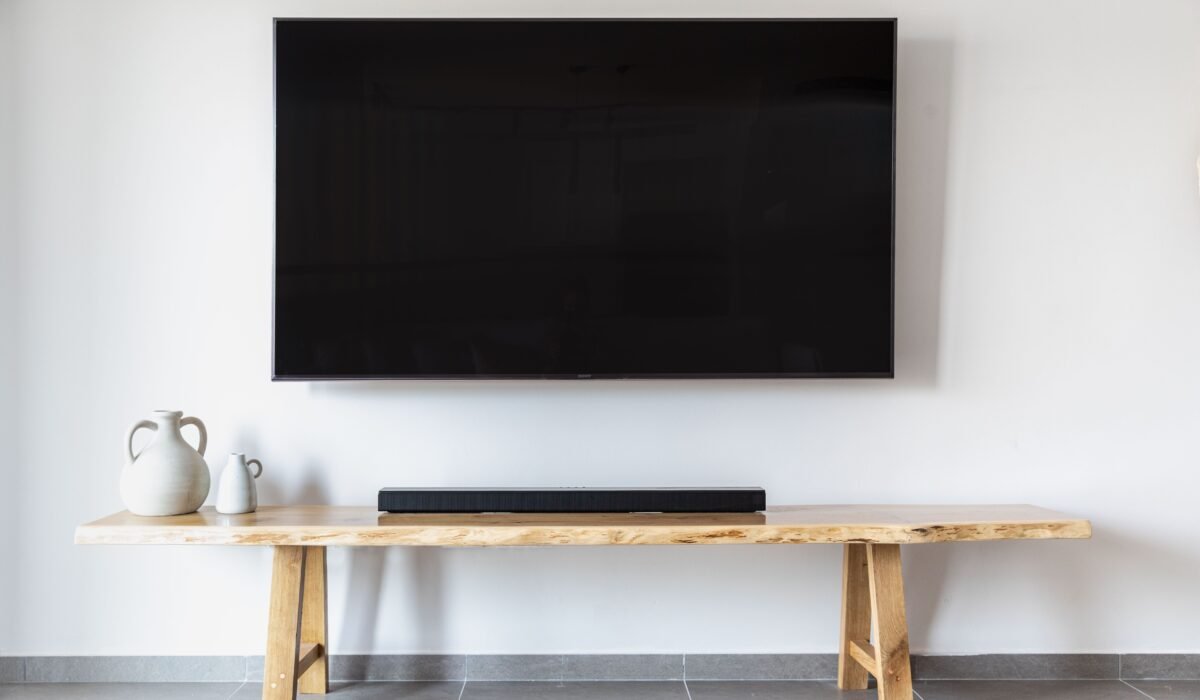
The best placement for a soundbar is centered directly below your TV, at ear level, with no obstructions in front of its drivers. Proper positioning is fundamental to boost home theater soundbar performance by ensuring sound waves reach your ears directly and without interference. This setup allows for optimal stereo imaging and clear dialogue delivery.
Achieving optimal placement is key to boost home theater soundbar performance. Many users overlook this crucial step, leading to compromised audio. The primary goal is to direct the sound towards the listener’s primary seating position, mimicking a natural soundstage as closely as possible.
Here’s how to nail soundbar placement tips:
- Center Alignment: Position the soundbar directly in the middle of your TV. This creates a cohesive visual and auditory experience, ensuring the sound appears to come from the screen itself.
- Ear Level: Aim to place the soundbar so its speakers are at the same height as your ears when seated. This is vital for accurate sound reproduction and clarity.
- Unobstructed Path: Ensure there are no objects like decorative items, plants, or AV equipment blocking the front of the soundbar. Any obstruction can muffle the sound or alter its intended projection, hindering your ability to boost home theater soundbar performance.
- Distance from Wall: Avoid placing the soundbar too close to a rear wall or in a cabinet, as this can cause bass frequencies to boom unnaturally or become muddy.
The short answer is that a soundbar’s acoustic output is directional. Placing it correctly ensures that the soundstage is wide and immersive. This direct path is critical to boost home theater soundbar performance.
For instance, if your soundbar is too high or too low, the perceived soundstage will be skewed, making effects seem out of place. This simple adjustment can dramatically boost home theater soundbar performance.
Tip: If your soundbar comes with angled feet or adjustable risers, use them to fine-tune the upward tilt towards your listening position. This small adjustment can boost home theater soundbar performance significantly by aiming the sound directly at you.
How do I calibrate my soundbar for the best sound?
You calibrate your soundbar for the best sound by using its built-in room correction software or by manually adjusting settings like EQ and speaker levels. Calibration is essential to boost home theater soundbar performance by tailoring the audio output to your specific room’s acoustics and your listening preferences.
Calibration ensures that the soundbar compensates for room reflections and speaker variations, which is key to boost home theater soundbar performance. Without it, even the most advanced soundbar can sound mediocre. Over 200 million soundbar units were sold globally in 2024, highlighting their popularity, and many of these benefit immensely from proper calibration to boost home theater soundbar performance.
Here’s a breakdown of soundbar calibration guide steps:
- Automatic Calibration (Room Correction): Many modern soundbars, such as the LG S95TR, feature AI room calibration. These systems use internal microphones to analyze your room’s dimensions and acoustic properties, automatically adjusting EQ and levels to boost home theater soundbar performance. Follow the on-screen prompts or app instructions to run this process, usually involving placing a calibration microphone at your primary listening position.
- Manual EQ Adjustment: If your soundbar lacks automatic calibration, or you want finer control, adjust the equalizer (EQ) settings. Start with the bass and treble controls. You might need to slightly reduce bass if it sounds muddy, or increase treble for more clarity. Finding the right balance is key to boost home theater soundbar performance.
- Speaker Level Balancing: Ensure all channels (if applicable, for soundbars with separate rears or a subwoofer) are at consistent volume levels. This is critical for a cohesive sound mix and to boost home theater soundbar performance.
- Subwoofer Integration: If your soundbar has a wireless subwoofer, ensure it’s properly paired and its volume is set appropriately. You don’t want it overpowering dialogue or being too weak to notice. Optimizing subwoofer placement for soundbar systems is also important.
Calibration is a critical step to boost home theater soundbar performance. Advanced soundbars like the LG S95TR utilize AI room calibration features to optimize sound for specific viewing areas. This technology analyzes your room’s unique acoustic signature, making micro-adjustments to ensure the best possible audio output. This makes it easier than ever to boost home theater soundbar performance.
From experience, running the automatic calibration feature on my Samsung HW-Q990F soundbar dramatically improved the spatial imaging and clarity. It’s a simple step that offers a profound boost home theater soundbar performance.
Fact: Soundbars offer a significant audio quality boost compared to built-in TV speakers, making dialogue more intelligible and sound effects more dynamic. This is a core reason people seek to boost home theater soundbar performance.
Can wall-mounting a soundbar improve sound quality?
Wall-mounting a soundbar can improve sound quality, particularly by positioning it closer to ear level and potentially reducing bass boominess caused by proximity to furniture. Correct wall placement can help boost home theater soundbar performance by creating a cleaner soundstage and improving dialogue intelligibility.
The physical location of your soundbar profoundly impacts its acoustic output. Wall-mounting offers a distinct advantage in achieving ideal soundbar placement tips, which is essential to boost home theater soundbar performance. It ensures the soundbar is at the correct height and often provides better separation from reflective surfaces like tables or shelves.
Let’s examine the impact of wall-mounting:
- Optimal Height: Mounting a soundbar directly below a wall-mounted TV places it at the ideal ear level for a seated audience. This direct sound path is crucial to boost home theater soundbar performance and prevent sound from being absorbed or diffused by furniture.
- Reduced Bass Reflections: When placed on a shelf or cabinet, a soundbar can interact with the surface, causing bass frequencies to resonate or sound boomy. Wall-mounting, especially with a slight distance from the wall, can reduce these unwanted reflections, leading to cleaner bass and a better overall mix. This is a direct way to boost home theater soundbar performance.
- Aesthetic Integration: While not directly audio-related, a clean wall installation can contribute to a more immersive viewing environment, indirectly supporting the goal to boost home theater soundbar performance by reducing visual clutter.
- Considerations: Ensure the mount is sturdy and positioned correctly. Also, be mindful of reflections off the wall itself; sometimes a slight angling down can help. For systems like the Samsung HW-Q990F, which includes upward-firing speakers for Dolby Atmos, ensure there’s enough clearance above the soundbar if wall-mounted.
Wall-mounting can be a strategic choice to boost home theater soundbar performance, especially in smaller rooms where furniture placement is limited. It allows for precise positioning that furniture often prohibits. This precise positioning is key to boost home theater soundbar performance.
Expert Insight: “Soundbars are designed speaker arrays, and where you place and mount them matters far more than most people expect.” This highlights why proper mounting is vital to boost home theater soundbar performance.
Quote: Wall-mounting can provide a cleaner acoustic path, helping to boost home theater soundbar performance by minimizing unwanted reflections from nearby surfaces.
How to improve dialogue clarity on my soundbar?
You can improve dialogue clarity on your soundbar by using its dedicated dialogue enhancement modes, adjusting center channel volume, ensuring proper placement, and leveraging technologies like DTS:X. Improving dialogue intelligibility is a primary goal when users want to boost home theater soundbar performance.
Muffled or hard-to-hear dialogue is a common complaint, but it’s often fixable. By focusing on specific settings and features, you can significantly boost home theater soundbar performance, especially for spoken word content. This ensures you don’t miss critical plot points in movies or important information in shows.
Here’s how to fix muffled soundbar audio and boost home theater soundbar performance:
- Dialogue Enhancement Modes: Many soundbars have specific sound modes designed to boost the center channel or increase the clarity of mid-range frequencies where voices reside. Look for settings labeled “Dialogue,” “Clear Voice,” “Vocal,” or similar. Activating these is a direct way to boost home theater soundbar performance for dialogue.
- Center Channel Adjustment: If your soundbar allows independent control of the center channel (often the case with higher-end models or those with separate center speakers), try increasing its volume slightly relative to the other channels. This prioritizes dialogue.
- Soundbar Placement: As mentioned earlier, ensure the soundbar is at ear level and unobstructed. When the soundbar is positioned correctly, it directs dialogue directly to your ears, a fundamental step to boost home theater soundbar performance.
- Utilize Immersive Audio Formats: Technologies like Dolby Atmos and DTS:X are not just about surround sound; they can also help anchor dialogue more effectively. While Dolby Atmos is known for overhead effects, DTS:X is specifically praised for its consistent dialogue performance across various content types, helping to boost home theater soundbar performance.
- Bass Management: Sometimes, excessive bass can mask dialogue. If your soundbar’s bass is overpowering, try reducing the subwoofer volume or adjusting the bass EQ settings. This can clean up the midrange and make voices stand out more.
The Samsung HW-Q990F, for example, offers excellent dialogue clarity through its well-designed driver array and advanced processing. Proper settings and placement are key to unlocking this potential and boost home theater soundbar performance.
Key Insight: The human ear is most sensitive to frequencies between 1 kHz and 4 kHz, which is precisely where most vocal information lies. Settings that emphasize this range are crucial to boost home theater soundbar performance for dialogue.
Quote: “Most people don’t realize just how bad TV speakers really are until they hear the difference a soundbar makes.” This difference is most apparent in improved dialogue clarity, a primary way to boost home theater soundbar performance.
Understanding Soundbar Sound Modes & EQ Settings
Soundbar sound modes and EQ settings allow you to tailor the audio output to different content types and listening preferences, which is crucial to boost home theater soundbar performance. These controls provide flexibility, enabling you to optimize your soundbar for movies, music, or even just clearer speech.
Exploring your soundbar’s various modes and EQ options can unlock its full potential. It’s not just about raw power; it’s about intelligently shaping the sound to fit the source material and your environment. This intelligent shaping is fundamental to boost home theater soundbar performance.
Let’s dive into common modes and EQ adjustments:
| Sound Mode | Description | When to Use | Impact on Boost Home Theater Soundbar Performance |
|---|---|---|---|
| Standard/Auto | Default setting, plays audio as intended by the source. | General listening, when unsure. | Provides a balanced baseline. |
| Movie/Cinema | Enhances surround effects, bass, and dynamic range for an immersive cinematic feel. | Watching films and TV shows. | Creates a more expansive soundstage, boosting immersion. |
| Music/Stereo | Focuses on clarity, detail, and a wider stereo image for music playback. | Listening to music. | Improves fidelity and instrument separation. |
| Dialogue/Clear Voice | Boosts the mid-range frequencies to make speech more intelligible. | When dialogue is hard to hear. | Directly improves dialogue clarity, a key aspect to boost home theater soundbar performance. |
| Night/Low Volume | Reduces dynamic range and bass impact, making it easier to hear details at low volumes. | Late-night viewing without disturbing others. | Maintains intelligibility without loud booms. |
| Virtual Surround | Simulates surround sound effects using digital processing, even without physical rear speakers. | Enhancing immersion when true surround isn’t available. | Creates a wider, more enveloping soundfield. |
EQ Settings Explained:
- Bass (Low Frequencies): Controls the low-end rumble, like explosions or deep notes. Too much can sound muddy; too little can make the sound thin. Adjusting this helps to boost home theater soundbar performance by balancing impact.
- Treble (High Frequencies): Controls the crispness and detail, like cymbals or sibilance in voices. Too much can sound harsh; too little can sound dull.
- Mid-Range: Crucial for vocals and instruments. Many dialogue modes specifically target this range.
Using the right mode is a simple yet powerful way to boost home theater soundbar performance for specific content. For example, switching to “Movie” mode when watching an action flick can make the experience far more exciting. This intelligent use of settings is key to boost home theater soundbar performance.
Tip: Experiment with these modes and settings. What sounds best is subjective and depends on your room, your ears, and the content you’re playing. Finding your preferred settings is a direct path to boost home theater soundbar performance.
Why keeping soundbar firmware updated is crucial
Keeping your soundbar firmware updated is crucial because manufacturers often release updates that improve performance, fix bugs, and enhance features, directly helping to boost home theater soundbar performance. Neglecting updates can mean missing out on critical enhancements and optimizations.
Think of firmware as the operating system for your soundbar. Just like your smartphone or computer, updates can bring significant improvements that you might not even realize you were missing. These updates are designed to refine audio processing, improve connectivity, and generally boost home theater soundbar performance.
Here’s why staying updated matters:
- Performance Enhancements: Manufacturers can fine-tune audio algorithms, improve the accuracy of room correction, or optimize how immersive audio formats like Dolby Atmos are processed. These refinements are direct efforts to boost home theater soundbar performance.
- Bug Fixes: Updates often address glitches or issues reported by users, such as connectivity problems, audio dropouts, or unresponsiveness from the remote. Fixing these ensures a stable experience and helps maintain the ability to boost home theater soundbar performance.
- New Feature Support: Occasionally, firmware updates can unlock new features or improve compatibility with emerging audio standards or streaming services.
- Security Patches: For connected soundbars, updates can include security patches to protect your network.
For example, a firmware update for a soundbar like the Sonos Arc Ultra could refine its virtual surround processing or improve its integration with voice assistants. These are subtle but important ways to boost home theater soundbar performance over time.
Actionable Advice: Regularly check your soundbar’s companion app or the manufacturer’s website for available firmware updates. Many smart soundbars will notify you automatically when an update is ready.
Fact: The global soundbar market is projected to grow from $4.511 billion in 2025 to $5.203 billion in 2027, a testament to ongoing innovation and user demand for better audio experiences. Keeping firmware updated ensures you benefit from this innovation and boost home theater soundbar performance.
Is Dolby Atmos worth it for a soundbar?
Dolby Atmos is generally worth it for a soundbar if you’re seeking a more immersive, three-dimensional audio experience, as it enables sound to be placed anywhere in a room, including overhead. While not all soundbars support it, those that do can significantly boost home theater soundbar performance by adding a new layer of realism.
Dolby Atmos technology is designed to move beyond traditional channel-based surround sound, creating a sense of height and precise object placement. This can transform your viewing experience, making effects feel more dynamic and enveloping. For users looking to boost home theater soundbar performance, Atmos is a compelling feature.
Here’s why Dolby Atmos can be a game-changer:
- Overhead Sound Effects: The primary benefit of Dolby Atmos is the addition of height channels. Soundbars equipped with upward-firing drivers or specialized processing can bounce sound off your ceiling to simulate overhead audio, like rain or helicopter flyovers. This adds a vertical dimension that traditional soundbars can’t replicate, truly helping to boost home theater soundbar performance.
- Object-Based Audio: Instead of fixed channels, Dolby Atmos uses “audio objects” that can be precisely placed and moved anywhere in 3D space. This allows for more dynamic and realistic soundscapes, which is a significant upgrade for those wanting to boost home theater soundbar performance.
- Enhanced Immersion: The combination of surround and height effects creates a more believable and enveloping sound environment, pulling you deeper into the on-screen action or music. This enhanced immersion is a key aspect of how Dolby Atmos can boost home theater soundbar performance.
- Compatibility: Many streaming services (Netflix, Disney+, Apple TV+) and Blu-ray discs now support Dolby Atmos, meaning you can enjoy its benefits with compatible content.
For example, a soundbar like the Sonos Arc Ultra is designed to leverage Dolby Atmos, offering a sophisticated approach to creating this immersive sound. Its advanced processing aims to deliver convincing height effects, a hallmark of Atmos implementation, and boost home theater soundbar performance.
Fact: Dolby Atmos technology enables sound to be placed anywhere in a room, including overhead, for a more immersive experience. This capability is a primary driver for seeking to boost home theater soundbar performance with Atmos-enabled devices.
Quote: “Dolby Atmos is a pioneering spatial audio technology. This means that sound is no longer limited to coming out of a specific speaker.” This freedom in sound placement is precisely what helps boost home theater soundbar performance.
If your current soundbar lacks Dolby Atmos, consider upgrading to a model that supports it to truly boost home theater soundbar performance and experience the next level of home audio.
Frequently Asked Questions
What is the best placement for a soundbar?
The best placement for a soundbar is centered directly below your TV, at ear level, with no obstructions. This direct sound path is crucial to boost home theater soundbar performance by ensuring audio reaches your ears clearly. Proper positioning minimizes room interference and maximizes the soundstage.
How do I calibrate my soundbar for the best sound?
Calibrate your soundbar using its automatic room correction feature or by manually adjusting EQ and speaker levels. Calibration tailors audio to your room’s acoustics, a vital step to boost home theater soundbar performance. For instance, advanced soundbars like the LG S95TR use AI room calibration to optimize sound for specific viewing areas.
Can wall-mounting a soundbar improve sound quality?
Yes, wall-mounting can improve sound quality by positioning the soundbar at optimal ear level and reducing bass boominess from furniture. This direct placement helps boost home theater soundbar performance by creating a cleaner soundstage. Ensure the mount provides adequate clearance and avoids direct wall reflections.
How to improve dialogue clarity on my soundbar?
Improve dialogue clarity by using dedicated “Dialogue” sound modes, adjusting center channel volume, and ensuring proper placement. These adjustments prioritize vocal frequencies, a key way to boost home theater soundbar performance. Technologies like DTS:X also aid in consistent dialogue delivery.
Is Dolby Atmos worth it for a soundbar?
Dolby Atmos is worth it for a soundbar if you seek immersive, overhead audio effects. It adds a vertical dimension to sound, significantly helping to boost home theater soundbar performance. While requiring compatible hardware and content, it offers a more realistic and enveloping soundscape than traditional systems.
To truly boost home theater soundbar performance, integrate these techniques into your setup. From finding the perfect placement and ensuring correct connections like HDMI ARC/eARC, to fine-tuning your sound modes and keeping firmware updated, every step contributes to a richer audio experience. Don’t forget to explore immersive formats like Dolby Atmos to elevate your home cinema. Take these tips, apply them, and start enjoying the enhanced sound your system is capable of delivering!