Key Takeaways
- AI smart home security systems can reduce false alarm rates by up to 95%, according to Guardian Alarm (2026).
- The global AI in the home security market is projected to grow significantly, reaching $4.6 billion by 2026, according to MarketsandMarkets (2026).
- AI-powered cameras can distinguish between family members, pets, and genuine threats, enhancing proactive protection.
- Smart home integration with AI security allows for seamless automation and personalized alerts across devices.
- AI smart home security offers advanced features like facial recognition and predictive analytics for a more intelligent defense.
What’s the single biggest worry when you’re away from home? It’s usually the safety of your loved ones and your belongings. The good news is that the evolution of AI smart home security is rapidly transforming how we protect our living spaces, moving beyond simple alarms to intelligent, proactive systems.
Quick Answer: AI smart home security uses machine learning for intelligent monitoring, facial recognition, and predictive analytics. It distinguishes threats from normal activity, reduces false alarms, and provides proactive, personalized home protection.
What is AI-Powered Home Security?
AI-powered home security is a sophisticated system that leverages artificial intelligence and machine learning to enhance traditional security measures. Instead of just reacting to events, AI smart home security systems analyze data, learn patterns, and make intelligent decisions to protect your home. This technology allows devices to understand context, differentiate between various types of activity, and provide more accurate, actionable alerts. AI has made a profound impact on various industries, and home security is no exception, according to Vertex AI Search (2026).
The core of AI smart home security lies in its ability to process vast amounts of data from sensors, cameras, and other connected devices. Machine learning algorithms enable these systems to continuously improve their performance over time, becoming more adept at identifying potential threats. This intelligent approach means your home security is not static but dynamically adapts to your environment and lifestyle. The integration of Artificial Intelligence (AI) marks a transformative era in home security, moving us beyond simple alarms to intelligent systems that learn, adapt, and even predict, according to Vertex AI Search (2026).
Key Insight: AI smart home security systems aim to provide a more intelligent, less intrusive, and highly personalized layer of protection.
Unlike passive systems, AI smart home security actively interprets its surroundings. This means it can distinguish between a pet wandering through the yard, a delivery person at the door, or an actual intruder. This critical distinction is fundamental to how AI smart home security elevates home protection.
How Does AI Improve Smart Home Security?
AI dramatically improves smart home security by making systems smarter, more responsive, and significantly less prone to false alarms. It moves security from a reactive model to a proactive one, anticipating potential issues before they escalate. AI smart home security uses advanced algorithms to analyze video feeds, audio cues, and sensor data with a level of detail and speed human operators cannot match. This intelligent processing is what sets AI-powered systems apart.
Traditional security systems often trigger alerts for non-threatening events like a cat walking past a camera or a strong gust of wind rattling a window. AI smart home security, however, employs sophisticated algorithms to filter out these false positives. For instance, AI-powered security systems can reduce false alarm rates by up to 95%, according to Guardian Alarm (2026).
Quotable Paragraph: AI smart home security systems are programmed to learn the normal patterns of a household, enabling them to identify anomalies that might indicate a threat.
This learning capability means that AI smart home security becomes more attuned to your specific environment over time. It can better understand who belongs on your property and what constitutes unusual activity. This intelligent adaptation is a hallmark of effective AI smart home security.
- Reduced False Alarms: AI algorithms can differentiate between genuine threats and benign events, such as pets, falling leaves, or changing light conditions. This significantly reduces the number of unnecessary alerts, saving you time and preventing alarm fatigue.
- Enhanced Threat Detection: By analyzing patterns and behaviors, AI smart home security can detect suspicious activities that might be missed by standard motion sensors, such as loitering or unusual vehicle presence.
- Faster Response Times: AI can process information and trigger alerts much faster than traditional systems, allowing for quicker intervention in critical situations.
The effectiveness of AI smart home security is directly tied to its analytical power. It’s not just about detecting motion; it’s about understanding the ‘why’ behind the motion.
5 Ways AI Powers Smarter Smart Home Security
The integration of artificial intelligence is revolutionizing home protection, making it more intelligent and responsive than ever before. AI smart home security systems are equipped with capabilities that go far beyond basic monitoring. Here are five key ways AI powers smarter smart home security:
-
Intelligent Motion Detection: Traditional motion sensors trigger alerts for any movement. AI smart home security, however, uses advanced video analytics to distinguish between people, animals, vehicles, and packages. This means you only get notified about events that truly matter.
Quotable Paragraph: AI-powered motion detection filters out irrelevant alerts, ensuring homeowners are only notified of significant events, thereby enhancing the efficacy of their AI smart home security.
-
Facial Recognition: Many AI smart home security cameras can now identify known individuals. This feature allows the system to recognize family members, friends, or regular delivery personnel, differentiating them from unknown visitors. This capability is a significant leap for AI smart home security.
-
Predictive Analytics: AI can analyze patterns in activity over time to predict potential security risks. For example, if a car is repeatedly seen driving slowly past your home at odd hours, AI smart home security could flag this as a potential threat before any incident occurs.
Quotable Paragraph: Predictive analytics within AI smart home security systems offer a forward-looking defense, identifying potential threats based on behavioral patterns before they materialize into incidents.
-
Behavioral Analysis: AI can learn the typical routines of your household and neighborhood. It can detect deviations from these norms, such as someone lingering too long at your door or unusual activity in your yard, providing an extra layer of AI smart home security.
-
Smart Home Integration: AI smart home security systems often integrate seamlessly with other smart devices. For instance, if an AI camera detects an intruder, it can automatically trigger smart lights to turn on, smart locks to secure, and Amazon Alexa to announce an alert.
Quotable Paragraph: Seamless integration with platforms like Amazon Alexa amplifies the capabilities of AI smart home security, creating an interconnected protective ecosystem.
These advancements mean that AI smart home security is not just about deterring criminals but about providing intelligent, context-aware protection for your home and family.
AI Features: Facial Recognition & Predictive Analytics
Two of the most impactful advancements in AI smart home security are facial recognition and predictive analytics. These features move beyond simple detection to intelligent identification and proactive threat assessment. Facial recognition allows systems to know who is at your door, while predictive analytics helps anticipate potential risks.
Facial recognition technology within AI smart home security systems uses advanced algorithms to capture, analyze, and compare facial features against a database of known individuals. Companies like Google Nest Doorbell are integrating AI to offer more sophisticated recognition capabilities. This means your smart doorbell can tell you if it’s your child returning from school or an unfamiliar person approaching your property, enhancing the overall AI smart home security experience.
Quotable Paragraph: Facial recognition in AI smart home security personalizes alerts, distinguishing between family members and potential strangers for more relevant notifications.
Predictive analytics takes AI smart home security a step further by looking for patterns that might indicate future trouble. By analyzing historical data and real-time observations, these systems can identify anomalies that suggest a heightened risk. For example, Arlo’s advanced AI features can detect not only people and vehicles but also recognize specific behaviors that might warrant an alert, contributing to comprehensive AI smart home security.
Quotable Paragraph: Predictive analytics in AI smart home security systems analyze behavior patterns to forecast potential security risks before they occur, offering a proactive defense strategy.
These advanced AI smart home security features are transforming how we perceive home safety, making our systems smarter and our homes more secure.
| AI Smart Home Security Feature | Description | Impact on Security |
|---|---|---|
| Facial Recognition | Identifies known individuals from camera feeds. | Reduces false alerts from family/friends; enables tailored notifications. |
| Predictive Analytics | Analyzes patterns to forecast potential threats. | Offers proactive defense by flagging suspicious behaviors early. |
| Package Detection | Distinguishes between people and delivered packages. | Ensures alerts are relevant, especially for porch piracy concerns. |
| Sound Recognition | Detects specific sounds like glass breaking or smoke alarms. | Provides multi-sensory threat detection for comprehensive AI smart home security. |
Benefits of AI in Home Security
The advantages of incorporating AI into home security systems are numerous and significant, fundamentally changing the landscape of personal safety. AI smart home security offers enhanced accuracy, proactive threat management, and greater convenience. These systems are designed to provide peace of mind through intelligent, reliable protection.
One of the most celebrated benefits of AI smart home security is its remarkable ability to reduce false alarms. Traditional systems are notorious for triggering alerts due to environmental factors or pets. AI-powered systems can differentiate these benign events from genuine security breaches. Studies indicate that AI-powered security systems can reduce false alarm rates by 90% compared to traditional security systems, according to IHS Markit. This means fewer unnecessary calls to emergency services and more confidence in the alerts you do receive from your AI smart home security.
Quotable Paragraph: AI smart home security significantly minimizes false alarms, enhancing user trust and ensuring that alerts received are genuinely critical events.
Furthermore, AI smart home security provides a more proactive defense. Instead of just reacting to an event, AI can analyze patterns and behaviors to predict potential threats. This predictive capability allows homeowners to take preventative measures before a situation escalates, making AI smart home security a truly intelligent guardian. The market for AI in home security is projected to grow substantially, indicating widespread recognition of its benefits, with an expected rise from $2.1 billion in 2021 to $4.6 billion by 2026, according to MarketsandMarkets (2026).
- Increased Accuracy: AI algorithms process data more accurately than traditional sensors, leading to fewer false positives and negatives.
- Proactive Threat Identification: Systems can learn normal patterns and flag suspicious deviations, offering early warnings.
- Personalized Alerts: AI can tailor notifications based on the identity of detected individuals or the specific nature of an event.
- Enhanced Convenience: Integration with smart home ecosystems via platforms like Amazon Alexa or Google Assistant offers seamless control and automation.
- Improved Efficiency: By filtering out non-critical events, AI smart home security systems allow homeowners and authorities to focus on genuine threats.
The adoption of AI smart home security is driven by these tangible benefits, offering a superior level of protection and convenience.
AI Security Cameras: How They Work
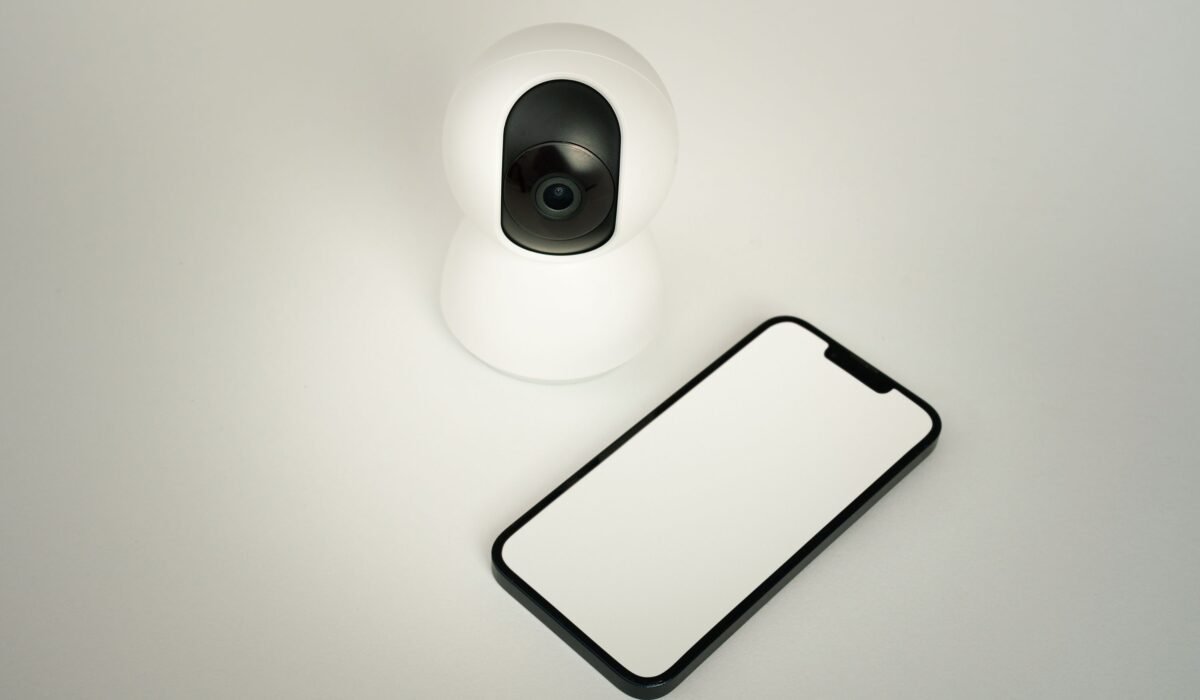
AI security cameras represent a significant leap forward in home surveillance, integrating artificial intelligence directly into the imaging and analysis process. These cameras don’t just record; they interpret what they see, making them a cornerstone of effective AI smart home security. The core technology involves advanced image processing, machine learning algorithms, and often cloud-based analytics.
At a fundamental level, an AI security camera captures video footage like any other camera. However, the AI component kicks in during the analysis phase. Machine learning models are trained on vast datasets of images and videos to recognize various objects, activities, and patterns. This allows the camera to identify people, vehicles, animals, and even specific actions like a person falling or a package being delivered. Vivint, for instance, uses AI-powered cameras to differentiate between delivery personnel and potential intruders, sending alerts only for actual threats, showcasing practical AI smart home security.
Quotable Paragraph: AI security cameras analyze video feeds in real-time, using machine learning to identify specific objects and behaviors relevant to home safety.
The analysis can occur either on the camera itself (edge computing) or be sent to the cloud for processing. On-device AI offers faster response times and enhanced privacy, as less data needs to be transmitted. Cloud-based AI, on the other hand, can leverage more powerful processing capabilities and larger datasets for more complex analyses. Regardless of the processing location, the goal is to provide smarter, more actionable insights for your AI smart home security system.
Quotable Paragraph: AI security cameras offer advanced detection capabilities, such as distinguishing between a family member arriving home, a delivery person, a wandering pet, or a genuine security threat, providing true peace of mind, according to Guardian Alarm (2026).
These cameras can also integrate with other smart home devices. For example, if an AI security camera detects an unrecognized person on the property, it can trigger a notification to your smartphone, turn on external lights, and even activate a smart siren. This interconnectedness is a key aspect of modern AI smart home security.
- Object Recognition: AI identifies common objects like people, cars, and animals.
- Activity Detection: It can distinguish between specific actions, such as walking, running, or loitering.
- Facial Recognition: Recognizes known individuals from stored facial data.
- Sound Analysis: Some cameras can detect specific sounds like glass breaking or alarms.
- Smart Alerts: Notifications are customized based on the AI’s analysis, reducing nuisance alerts.
The continuous development in AI security cameras promises even more sophisticated features for AI smart home security in the future.
The Future of AI in Smart Home Security
The trajectory of AI in smart home security points toward even more integrated, predictive, and personalized protection. We are moving beyond simple detection and alert systems towards a future where AI actively anticipates and neutralizes threats before they even reach your doorstep. The continuous advancement in AI smart home security is set to redefine our expectations of home safety.
Expect to see AI smart home security systems become even more adept at understanding complex environmental cues and human behavior. This includes enhanced capabilities in distinguishing subtle threats and learning individual routines with greater precision. For instance, future AI might analyze gait patterns or even vocal inflections picked up by microphones to assess intent. The global autonomous AI in smart homes market size was calculated at USD 18.10 billion in 2025, highlighting the significant investment and innovation in this area. This growth fuels further development in AI smart home security.
Quotable Paragraph: The future of AI smart home security will emphasize proactive threat prevention and hyper-personalized home protection, moving beyond reactive measures.
Integration with other smart home technologies will deepen. AI smart home security systems will likely orchestrate a symphony of devices—from lighting and locks to thermostats and entertainment systems—to create dynamic defensive responses. Imagine a scenario where AI detects an anomaly and not only alerts you but also adjusts internal lighting, plays deterrent sounds, and locks down specific zones, all managed by your AI smart home security hub. The smart home market size was approximately $147.52 billion in 2025, demonstrating the infrastructure for such advanced AI smart home security integration.
- Hyper-Personalization: AI will learn and adapt to individual household members’ schedules and habits more deeply.
- Advanced Anomaly Detection: Systems will identify increasingly subtle deviations from normal patterns.
- Seamless Ecosystem Integration: AI smart home security will be a central orchestrator for all connected devices.
- Ethical AI Development: Focus will grow on privacy-preserving AI and transparent data usage in AI smart home security.
- AI-Powered Preventative Maintenance: AI could even predict potential equipment failures within the security system itself.
The evolution of AI smart home security promises a future where homes are not just connected but intelligently and proactively defended.
Frequently Asked Questions
What is AI-powered home security?
AI-powered home security uses artificial intelligence and machine learning for intelligent monitoring and threat assessment. It distinguishes threats from normal activity, reducing false alarms and enhancing proactive home protection. This advanced approach makes AI smart home security far more effective than traditional systems.
How does AI improve smart home security?
AI improves smart home security by enabling systems to learn, analyze data, and make intelligent decisions, leading to fewer false alarms and more accurate threat detection. It moves security from reactive to proactive. For example, AI person and package detection has reached meaningful adoption at 28 percent, according to industry reports.
What are the benefits of AI in home security?
The primary benefits include reduced false alarms, enhanced threat detection accuracy, proactive risk identification, and seamless integration with other smart devices. AI smart home security offers greater peace of mind through more reliable and intelligent protection. The global smart home market is expected to reach $53.45 billion by 2025, according to Statista, driven in part by these AI advancements.
Can AI detect intruders?
Yes, AI smart home security systems are designed to detect intruders by analyzing patterns, behaviors, and visual cues that deviate from normal activity. Advanced AI can differentiate between legitimate visitors and suspicious individuals, providing more relevant alerts.
How do AI security cameras work?
AI security cameras capture video and use machine learning algorithms to analyze the footage in real-time, identifying objects, people, and behaviors. This allows them to provide intelligent alerts, such as distinguishing between a delivery person and a potential intruder, a key function of AI smart home security.
The journey towards a safer home is increasingly being powered by intelligent technology. By understanding and leveraging the capabilities of AI smart home security, you can create a more robust, responsive, and personalized defense system for your property. Explore the options available and embrace the future of home protection today.