Key Takeaways
- Global electric vehicle sales reached 20.7 million units in 2025, according to the International Energy Agency’s Global EV Outlook 2025.
- AI significantly optimizes EV battery management, extending range and improving longevity.
- The global automotive artificial intelligence (AI) market is predicted to grow to $58.99 billion by 2035, according to Precedence Research (2026).
- AI-powered autonomous driving systems greatly enhance electric vehicle safety and driver assistance.
- Predictive maintenance, enabled by AI, can reduce unexpected breakdowns and extend vehicle lifespan.
Have you ever wondered how your electric vehicle (EV) could get even better, offering longer range, safer drives, and a more personalized experience? The exciting truth is that **AI improves electric vehicle performance** across virtually every aspect of these advanced machines. We’ll explore seven powerful ways AI is revolutionizing EVs, making them more efficient, intelligent, and enjoyable to drive.
Quick Answer: AI improves EV performance by optimizing battery management for extended range and longevity, enabling advanced autonomous driving for safety, and boosting energy efficiency via smart charging and predictive maintenance. It also personalizes driving experiences.
How is AI Revolutionizing Electric Vehicles?
AI is revolutionizing electric vehicles by infusing them with intelligence that enhances every facet of operation, from power management to user interaction. This transformation is crucial as 116 million electric vehicles are forecast to be on the road in 2026, a 30% increase from 2025, according to Gartner, Inc. (2026). What most people miss is that AI isn’t just an add-on; it’s becoming the central nervous system for modern EVs.
AI integrates complex data streams from sensors, driving patterns, and external conditions to make real-time decisions that optimize performance. This sophisticated data processing is why **AI improves electric vehicle performance** so dramatically. It allows EVs to adapt and learn, evolving beyond simple machines into intelligent companions.
Here are the core areas where AI is making a profound impact:
- Enhanced Efficiency: AI algorithms fine-tune energy consumption, leading to greater range and lower operating costs.
- Superior Safety: Advanced AI-powered driver assistance systems reduce accident risks and improve situational awareness.
- Personalized Experience: Vehicles learn driver preferences, adapting settings and infotainment to individual tastes.
- Proactive Maintenance: AI predicts potential issues before they become problems, saving time and money on repairs.
The global automotive artificial intelligence (AI) market size accounted for USD 4.71 billion in 2025 and is predicted to increase from USD 5.80 billion in 2026 to approximately USD 58.99 billion by 2035, expanding at a CAGR of 28.76%, according to Precedence Research (2026). This significant growth underscores the industry’s commitment to leveraging AI to improve electric vehicle performance.
Optimizing EV Battery Performance and Range with AI
AI plays a critical role in optimizing EV battery performance and extending driving range by intelligently managing charge cycles, temperature, and energy distribution. For instance, the average real-world range of EVs has climbed to 325 miles among 2026 models, up from 293 miles in 2025, according to Recurrent Auto (2026), a significant improvement partly driven by AI in EV battery optimization. This means you can travel further with less range anxiety.
The truth is, battery degradation is a major concern for EV owners, but AI offers powerful solutions. AI algorithms analyze vast amounts of data on battery health, charging habits, and environmental factors to predict degradation and suggest optimal charging strategies. This precise management is fundamental to how **AI improves electric vehicle performance** over the long term.
Key ways AI enhances battery performance:
- Predictive Battery Analytics: Machine learning applications in EV development predict battery aging and capacity loss, allowing for proactive adjustments. General Motors’ Ultium platform, for example, uses AI-based battery management to examine real-world driving data and forecast aging behavior.
- Thermal Management: AI for electric vehicle thermal management monitors and adjusts battery temperature, preventing overheating or excessive cooling that can degrade battery life and efficiency. This ensures the battery operates within its optimal temperature window.
- Dynamic Range Estimation: Instead of static estimates, AI provides real-time, accurate range predictions based on driving style, terrain, traffic, and weather. This helps drivers plan routes more effectively and reduces the risk of running out of charge.
- Optimized Charging Cycles: AI-powered energy management in EVs learns your driving patterns and suggests the best times and methods for charging to maximize battery longevity and minimize energy costs.
Lithium-ion battery pack prices fell 8% to $108 per kWh in 2025, according to BloombergNEF (2025), making EVs more accessible, and AI ensures these valuable batteries last longer. The deep insights gained from AI in EV battery optimization ensure that every electron is used efficiently, directly contributing to how **AI improves electric vehicle performance**.
AI-Powered Autonomous Driving and Enhanced Safety
AI-powered autonomous driving significantly enhances safety and convenience in electric vehicles by enabling advanced decision-making and real-time environmental perception. Tesla’s Full Self-Driving (FSD) system, for example, relies on deep neural networks trained on billions of miles of driver data, allowing for features like automatic lane changes and traffic-conscious cruise control. This sophisticated technology dramatically reduces human error.
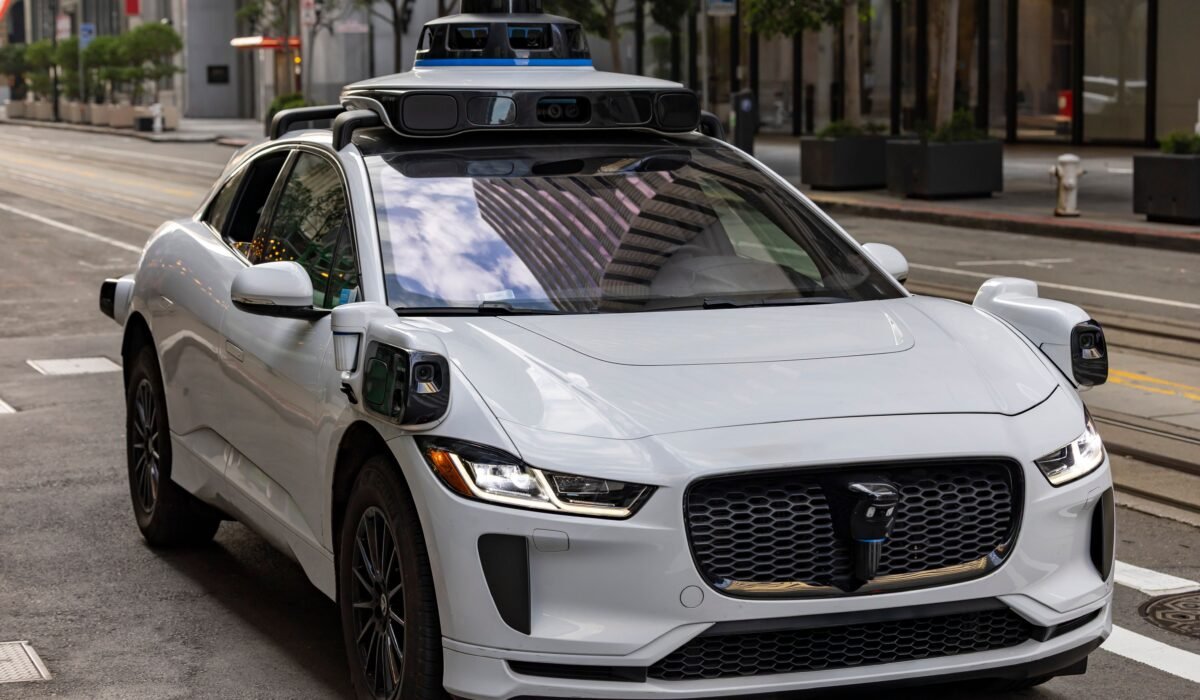
The impact of AI on EV safety cannot be overstated; it’s about creating a co-pilot that never gets distracted or fatigued. Autonomous driving technology electric vehicles leverage AI to process data from multiple sensors—cameras, radar, lidar, and ultrasonic—to create a comprehensive understanding of the vehicle’s surroundings. This is a prime example of how **AI improves electric vehicle performance** by making journeys safer and less stressful for the driver.
Table: AI’s Role in Autonomous Driving & Safety
| AI Feature | Description | Safety Benefit |
|---|---|---|
| Perception Systems | AI interprets sensor data (cameras, radar) to identify objects, pedestrians, and traffic signs. | Reduces collision risk, improves reaction time. |
| Path Planning | Algorithms calculate optimal routes and maneuvers based on real-time conditions. | Avoids hazards, smooths driving, enhances efficiency. |
| Driver Monitoring | AI tracks driver attention and fatigue levels. | Alerts distracted drivers, prevents accidents. |
| Predictive Safety | AI anticipates potential hazards and takes pre-emptive action. | Minimizes severity of unavoidable impacts. |
XPeng’s P7+, for instance, features AI-powered safety tech, including the XOS 5.4 system and AI Hawkeye Visual Solution, which uses twin 8-megapixel cameras and multiple sensors for enhanced long-distance sight in various conditions. This level of sensory integration and AI processing is why **AI improves electric vehicle performance** in terms of occupant and pedestrian safety. The global ADAS market is valued at 361.4 million units in 2026, expected to reach 582.6 million units by 2033, according to MarketsandMarkets (2026), highlighting the rapid adoption of these AI-driven safety features.
Smart Charging and Energy Management for EVs
Smart charging and energy management for EVs are revolutionized by AI, which optimizes when, where, and how electric vehicles charge to maximize efficiency and integrate with the power grid. This integration is vital for both individual EV owners and the broader energy infrastructure, ensuring stable and sustainable power delivery. AI-powered energy management in EVs dynamically adjusts charging schedules.
AI algorithms analyze electricity prices, grid demand, renewable energy availability, and your vehicle’s battery state to determine the most cost-effective and grid-friendly charging times. Shell’s EV charging system, for instance, employs AI globally to optimize energy management and distribute loads in charging networks, incorporating renewable energy sources. This is a clear demonstration of how **AI improves electric vehicle performance** by making charging smarter and more economical.
Benefits of AI in smart charging:
- Cost Savings: AI identifies off-peak hours for charging when electricity rates are lower, significantly reducing your energy bill.
- Grid Stability: By balancing demand, AI-driven smart grid integration EV helps prevent grid overload, especially as EV adoption grows.
- Renewable Energy Maximization: Vehicles can prioritize charging when solar or wind energy is abundant, lowering carbon footprint.
- Extended Battery Life: Optimized charging patterns based on AI analysis help preserve battery health over time.
Volkswagen’s generative AI integration even allows drivers to ask to re-route the car to the nearest EV charging station, showcasing the intuitive ways AI improves electric vehicle performance. This smart energy management ensures that your EV is not just a mode of transport but an intelligent participant in the energy ecosystem.
Predictive Maintenance and Vehicle Diagnostics
Predictive maintenance for EV batteries and overall vehicle diagnostics are transformed by AI, moving from reactive repairs to proactive prevention of issues. AI continuously monitors hundreds of vehicle parameters, learning normal operating patterns and detecting subtle anomalies that indicate potential problems before they escalate. This proactive approach saves time and money.
Over 65% of new vehicles are expected to be equipped with predictive maintenance features by 2026, according to industry forecasts. This widespread adoption underscores how **AI improves electric vehicle performance** by extending vehicle lifespan and enhancing reliability. For example, Amazon’s electric delivery vans (Rivian) use AI-powered telematics to monitor vehicle diagnostics and driver patterns, predicting maintenance requirements for its growing fleet.
How AI enables predictive maintenance:
- Sensor Data Analysis: AI processes real-time data from sensors throughout the vehicle, including the motor, battery, and braking systems.
- Pattern Recognition: Machine learning algorithms identify deviations from normal operating patterns that might signal an impending failure.
- Early Warning Systems: Drivers receive alerts about potential issues, allowing them to schedule service before a breakdown occurs.
- Optimized Service Intervals: Maintenance schedules are tailored to actual vehicle usage and condition, rather than fixed mileage intervals.
IBM highlights how AI is making electric vehicles safer and more efficient, particularly through its ability to provide early warnings for potential battery or system failures. This means fewer unexpected trips to the service center and greater peace of mind, directly illustrating how **AI improves electric vehicle performance** by ensuring consistent operational health.
Personalized Driving Experiences and User Adaptation
AI significantly enhances personalized driving experiences and user adaptation in electric vehicles by learning individual preferences and adjusting vehicle settings accordingly. From climate control to infotainment, AI creates a bespoke environment for each driver and passenger. This level of customization transforms a standard commute into a truly unique journey.
What makes this possible is AI’s ability to analyze patterns in your driving style, common routes, and even your mood. This continuous learning process is a key reason why **AI improves electric vehicle performance** from a user-centric perspective. It means your car anticipates your needs, making every interaction seamless and intuitive.
Examples of AI-driven personalization:
- Adaptive Driver Profiles: AI automatically adjusts seat positions, mirror settings, and steering wheel preferences for different drivers.
- Infotainment Curation: Your EV learns your music tastes, podcast preferences, and navigation habits, offering tailored suggestions. This is similar to how AI Personalized Entertainment Curation works in other devices.
- Climate Control Learning: The system adapts to your preferred temperature settings based on the time of day, external weather, and occupancy.
- Predictive Navigation: AI anticipates your destination based on your calendar or routine, suggesting routes with real-time traffic and charging point availability.
BMW’s AI systems, for instance, crunch millions of parameters simultaneously to optimize various aspects of vehicle design and user interaction. Nischal Chaudhary, Founder – Batt:RE Electric Mobility, stated, “The EV industry will advance considerably due to the induction of Artificial Intelligence as it will make the life of riders easy and convenient.” This focus on convenience and customization demonstrates how **AI improves electric vehicle performance** beyond mere mechanics, fostering a deeper connection between driver and vehicle.
The Future of AI in Electric Vehicles: Challenges and Opportunities
The future of AI in electric vehicles holds immense promise for further innovation, but it also presents significant challenges, particularly in areas like data privacy and ethical AI development. The continued evolution of machine learning applications in EV development will unlock unprecedented levels of efficiency and autonomy. However, ensuring secure and responsible AI integration remains paramount.
The opportunities are vast; AI will enable even more sophisticated autonomous capabilities, deeper integration with smart city infrastructure, and truly self-optimizing vehicles. This continuous advancement ensures that **AI improves electric vehicle performance** in ways we are only beginning to imagine. IBM’s research blog frequently explores these cutting-edge applications, highlighting the ongoing innovation.
Table: Future Opportunities & Challenges for AI in EVs
| Aspect | Opportunities | Challenges |
|---|---|---|
| Autonomy | Full Level 5 autonomous driving, enhanced safety features. | Regulatory hurdles, public trust, complex ethical dilemmas. |
| Connectivity | Seamless V2X (Vehicle-to-Everything) communication, smart grid integration. | Cybersecurity risks, data privacy concerns, infrastructure development. |
| Battery Tech | AI-driven discovery of new battery materials, self-healing batteries. | Battery recycling infrastructure, raw material sourcing. |
| Personalization | Hyper-customized driving experiences, predictive user interfaces. | Data collection ethics, preventing filter bubbles. |
Cathie Wood, CEO of ARK Invest, predicts an “US$8 trillion to US$10 trillion for the entire autonomous taxi opportunity throughout the world,” indicating the monumental economic shift AI-powered EVs could bring. Yet, the sheer volume of data collected by AI-driven EVs raises questions about data ownership and privacy, which must be addressed transparently. Despite these challenges, the trajectory is clear: **AI improves electric vehicle performance** will continue to define the evolution of automotive technology, creating smarter, cleaner, and more user-centric transportation.
Frequently Asked Questions
How is AI used in electric vehicles?
AI is used in electric vehicles to optimize battery management, enable autonomous driving, manage smart charging, perform predictive maintenance, and personalize the driving experience. This comprehensive integration enhances efficiency and safety, as seen in systems like Tesla’s Full Self-Driving.
What is the role of AI in EV battery management system?
The role of AI in EV battery management systems is to monitor, analyze, and optimize battery health, temperature, and charging cycles for extended range and longevity. AI algorithms predict battery aging, leading to a 325-mile average real-world range for 2026 models, according to Recurrent Auto (2026). This ensures efficient energy use and prevents premature degradation.
How does AI improve EV range?
AI improves EV range by optimizing battery thermal management, predicting energy consumption based on driving conditions, and enabling smarter routing. By dynamically managing these factors, AI ensures the battery operates at peak efficiency, maximizing the distance an EV can travel on a single charge.
What is the future of AI in EV?
The future of AI in EV involves fully autonomous driving, seamless integration with smart city infrastructure, advanced predictive diagnostics, and hyper-personalized user interfaces. The global automotive AI market is projected to reach $58.99 billion by 2035, according to Precedence Research (2026), indicating massive growth and innovation.
How does AI contribute to EV safety?
AI contributes to EV safety by powering advanced driver-assistance systems (ADAS), enabling real-time hazard detection, and facilitating predictive crash avoidance. Systems like XPeng’s AI Hawkeye Visual Solution utilize multiple sensors and AI to provide enhanced situational awareness, significantly reducing accident risks.