Key Takeaways
- The global smart home market is valued at $164.13 billion in 2026, according to Mordor Intelligence (2026).
- AI powers 100% of next-generation home automation systems, making smart homes more predictive and personalized, according to Yenra (2026).
- Approximately 77.05 million US homes actively use smart home devices in 2026, representing 51.37% of all households, according to Mordor Intelligence (2026).
- Matter interoperability standard significantly enhances smart home device compatibility, simplifying setup and use for diverse accessibility needs.
- Ethical AI frameworks are crucial to ensure AI-powered accessibility solutions are fair, secure, and respectful of user privacy.
Are you wondering how advanced technology can truly transform daily living for everyone, especially those with unique needs? **AI Smart Home Accessibility for All** is rapidly evolving, offering innovative solutions that empower individuals to live more independently, comfortably, and safely within their own homes. This article will explore seven essential ways AI enhances smart home environments, making them genuinely inclusive.
Quick Answer: AI enhances smart home accessibility by enabling personalized, intuitive, and proactive environments. It uses voice control, predictive learning, and adaptive automation to assist individuals with diverse needs, boosting independence, safety, and comfort for all.
What is AI in Smart Home Technology?
AI in smart home technology is the integration of artificial intelligence capabilities into connected devices and systems to enable them to learn, adapt, and make intelligent decisions autonomously. These systems move beyond simple automation, evolving into truly adaptive environments that respond to your unique needs and preferences. What most people miss is that AI transforms basic smart devices into proactive assistants.
The core of AI in smart homes lies in its ability to process vast amounts of data from sensors, user interactions, and external environments. This processing allows the system to recognize patterns, predict future needs, and execute actions without direct human command. This level of intelligence is pivotal for advancing **AI Smart Home Accessibility for All**.
Key features of AI in smart home technology include:
- Machine Learning: Devices learn from your habits and preferences over time, optimizing performance and settings.
- Natural Language Processing (NLP): Enables intuitive voice control through assistants like Amazon Alexa and Google Assistant.
- Computer Vision: Allows devices to interpret visual information for security, presence detection, and object recognition.
- Predictive Analytics: Anticipates needs, such as adjusting temperature before you arrive home or proactively identifying potential issues.
The smart home of 2026 is all about subtle sophistication that’s highly livable and practical, according to Tamara Mattox-Kabat, a real estate pro with Redfin (2026). This shift emphasizes the seamless, background operation of AI.
How Does AI Enhance Smart Home Accessibility for All?
AI significantly enhances **AI Smart Home Accessibility for All** by transforming static environments into dynamic, responsive spaces that cater to a wide spectrum of individual needs. It moves beyond basic remote control to offer truly intelligent assistance. The AI in smart home technology market was valued at USD 18.47 billion in 2025 and is predicted to reach USD 126.06 billion by 2035, growing at a 21.30% CAGR from 2026 to 2035, according to a report by Vertex AI Search (2026), indicating massive growth in these capabilities.
Here are seven essential ways AI enhances smart home accessibility:
- Voice Control and Natural Language Understanding: AI-powered voice assistants like Amazon Alexa and Google Assistant allow users to control lights, thermostats, locks, and entertainment systems with simple spoken commands, removing barriers for individuals with limited mobility or dexterity. Project Relate by Google Research, for instance, aims to help people with non-standard speech be understood more reliably, making **AI Smart Home Accessibility for All** truly inclusive.
- Personalized Automation and Routines: AI learns user schedules and preferences, automating tasks like adjusting lighting levels, setting alarms, or preparing the home for bedtime. This proactive automation is invaluable for individuals with cognitive impairments or those who benefit from consistent routines.
- Adaptive Environments: AI systems can dynamically adjust environmental factors such as temperature, humidity, and air quality based on learned preferences or real-time sensor data, which is especially beneficial for individuals with conditions sensitive to environmental changes, like multiple sclerosis. This ensures optimal comfort and health, promoting **AI Smart Home Accessibility for All**.
- Enhanced Safety and Security: AI-driven security cameras can differentiate between people and pets, send intelligent alerts for unusual activity, and even detect falls, providing crucial peace of mind for seniors and their caregivers. Smart door locks like Keyin L by Raonark offer immediate locking and unlocking for those with reduced mobility, recognized with an Innovation Award at CES 2023.
- Cognitive Assistance and Reminders: For individuals with memory loss or cognitive impairments, AI can provide timely reminders for medication, appointments, or daily tasks, improving independence and reducing stress. “AI has the potential to bridge that [cognitive] gap,” stated Joel Isaac, an accessibility specialist (2024), highlighting AI’s ability to provide nuanced descriptions of surroundings.
- Sensory Augmentation: AI can translate sensory information into more accessible formats. For example, LG ThinQ ON converts appliance sounds into light-based notifications for the deaf and hard-of-hearing, and Samsung Relumino enhances TV images for visually impaired viewers. This directly contributes to **AI Smart Home Accessibility for All**.
- Predictive Maintenance and Support: AI can monitor appliance performance and predict potential malfunctions, alerting users or caregivers before a critical device fails. This proactive approach minimizes disruptions and ensures continuous support for accessible living.
The smart home is at its best when it reduces friction for people, not when it shows off technical complexity, especially for users with mobility limitations, low vision, fatigue, or non-standard speech, according to Yenra (2026). This philosophy underpins the true value of **AI Smart Home Accessibility for All**.
Creating Personalized and Proactive Accessible Smart Homes
Creating personalized and proactive accessible smart homes means leveraging AI to build environments that anticipate and respond to individual needs, often operating seamlessly in the background without explicit commands. This approach transforms a house into a truly supportive partner, making **AI Smart Home Accessibility for All** a tangible reality. The home healthcare segment within the smart home market is expected to witness the highest CAGR of over 32% from 2025 to 2030, according to Market Research Future (2026), driven by the aging population and increasing health awareness.
AI-driven personalization works by continuously gathering data from sensors, user interactions, and connected devices. This data allows the AI to learn patterns, preferences, and even subtle changes in a user’s routine or health. For instance, a Nest thermostat learns your preferred temperature settings and adjusts them before you even realize you’re getting cold, enhancing comfort without manual input.
Consider the contrast between traditional smart homes and AI-powered adaptive environments:
| Feature | Traditional Smart Home Automation | AI-Powered Adaptive Environment |
|---|---|---|
| Control Method | Manual commands, scheduled routines | Voice, gestures, learned patterns, predictive actions |
| Learning Capability | Limited to programmed rules | Continuous learning from user behavior and environment |
| Responsiveness | Reactive to direct input | Proactive, anticipatory to needs |
| Personalization | Basic user profiles | Deeply individualized, dynamic adjustments |
| Benefit for Accessibility | Simplifies tasks | Empowers independence, reduces cognitive load |
This table clearly illustrates how AI elevates functionality from simple convenience to genuine assistive technology. Such advanced capabilities are what define true **AI Smart Home Accessibility for All**.
Navigating Privacy, Security, and Ethical AI Concerns
Navigating privacy, security, and ethical AI concerns is paramount when implementing **AI Smart Home Accessibility for All**, as these systems collect sensitive personal data to function effectively. Protecting user information and ensuring equitable, unbiased operation are critical responsibilities. The global smart home market is valued at $164.13 billion in 2026, according to Mordor Intelligence (2026), highlighting the vast amount of data being generated.
As AI systems learn your habits, they accumulate data on your routines, health, and interactions. This data, while beneficial for personalization, also raises privacy questions. Users need to be confident that their data is secure from breaches and not misused. Strong encryption, clear data retention policies, and transparent consent mechanisms are essential.
Key considerations for privacy and security in AI smart homes:
- Data Encryption: Ensure all data transmitted between devices and to cloud servers is robustly encrypted.
- Regular Software Updates: Keep devices updated to patch vulnerabilities and improve security protocols.
- Privacy Settings: Utilize and understand the privacy settings on devices like Amazon Alexa and Google Assistant to control data sharing.
- Local Processing: Prioritize devices that perform more AI processing on-device (edge AI) rather than solely relying on cloud servers, reducing data exposure.
Ethical AI considerations are equally important. AI algorithms can inadvertently perpetuate biases present in their training data, which could lead to discriminatory outcomes in accessibility features. For instance, if an AI voice assistant is predominantly trained on certain accents, it might struggle to understand others, hindering **AI Smart Home Accessibility for All**. Developers must actively work to build inclusive datasets and implement fairness metrics.
The Role of Interoperability: Matter and Seamless Smart Homes
The role of interoperability, particularly through standards like Matter, is crucial for achieving truly seamless smart homes that support **AI Smart Home Accessibility for All**. Without interoperability, users face a fragmented ecosystem where devices from different brands struggle to communicate, complicating setup and limiting functionality. The Assistive Technology Market is projected to grow at a 10.22% CAGR from 2025 to 2035, according to Market Research Future (2026), underscoring the need for integrated solutions.
Matter is an industry-unifying standard that aims to simplify smart home experiences by enabling devices from different manufacturers to work together seamlessly. This means that a light bulb from one brand can communicate directly with a thermostat from another, all managed through a single app or voice assistant like Amazon Alexa or Google Assistant. This unified approach vastly simplifies the user experience.
For individuals relying on accessible technology, Matter offers significant advantages:
- Simplified Setup: Reduces the complexity of integrating new devices, which can be a barrier for users with cognitive or dexterity limitations.
- Broader Device Choice: Allows users to select the best accessible devices regardless of brand, knowing they will work together.
- Enhanced Reliability: Creates a more stable and responsive smart home environment, as devices communicate directly and reliably.
- Future-Proofing: Ensures that new accessible innovations will integrate smoothly into existing setups, contributing to enduring **AI Smart Home Accessibility for All**.
“Accessibility continues to guide our innovation philosophy. We’re committed to delivering solutions that empower independence and improve daily life,” stated Justin Hong, LG Electronics’ Head of ESG Strategy (2026). This commitment aligns perfectly with the goals of Matter.
Real-World Examples: AI-Powered Devices for Diverse Needs
Real-world examples of AI-powered devices demonstrate how **AI Smart Home Accessibility for All** is not just a concept but a tangible reality, offering practical solutions for individuals with diverse needs. These innovations are transforming daily living, making homes more intuitive and supportive. Approximately 77.05 million US homes, roughly 51.37% of all households, are actively using smart home devices in 2026, according to Mordor Intelligence (2026), reflecting widespread adoption.
Let’s look at specific applications:
- Voice Assistants (Amazon Alexa, Google Assistant): These serve as central hubs for controlling countless smart devices via voice, benefiting individuals with limited mobility. Users can adjust lights, lock doors, or play music without needing to physically interact with switches or screens.
- Samsung Relumino: This TV mode for visually impaired viewers uses AI to dynamically outline and enhance television images, improving the viewing experience. It received an AccessABILITY Award at CES 2023 for its innovative approach to **AI Smart Home Accessibility for All**.
- LG ThinQ ON: LG’s AI accessibility hub provides voice-based control and spoken guidance for appliance operations. It also connects to IoT sensors that convert appliance sounds into light-based notifications for the deaf and hard-of-hearing, making home appliances more accessible.
- Smart Thermostats (Nest, Ecobee): Devices like the Nest Thermostat learn user preferences and automatically adjust temperatures. This is incredibly useful for individuals with conditions where temperature sensitivity is an issue, such as multiple sclerosis or arthritis, ensuring consistent comfort. You can learn more about how AI optimizes climate control at AI Smart Home Climate Control.
- Autoslide Automatic Door Systems: These systems can be activated via proximity sensors, remotes, or smart home integration (e.g., Amazon Alexa), offering enhanced accessibility for wheelchair users or those with difficulty operating traditional doors. This greatly improves physical navigation within the home.
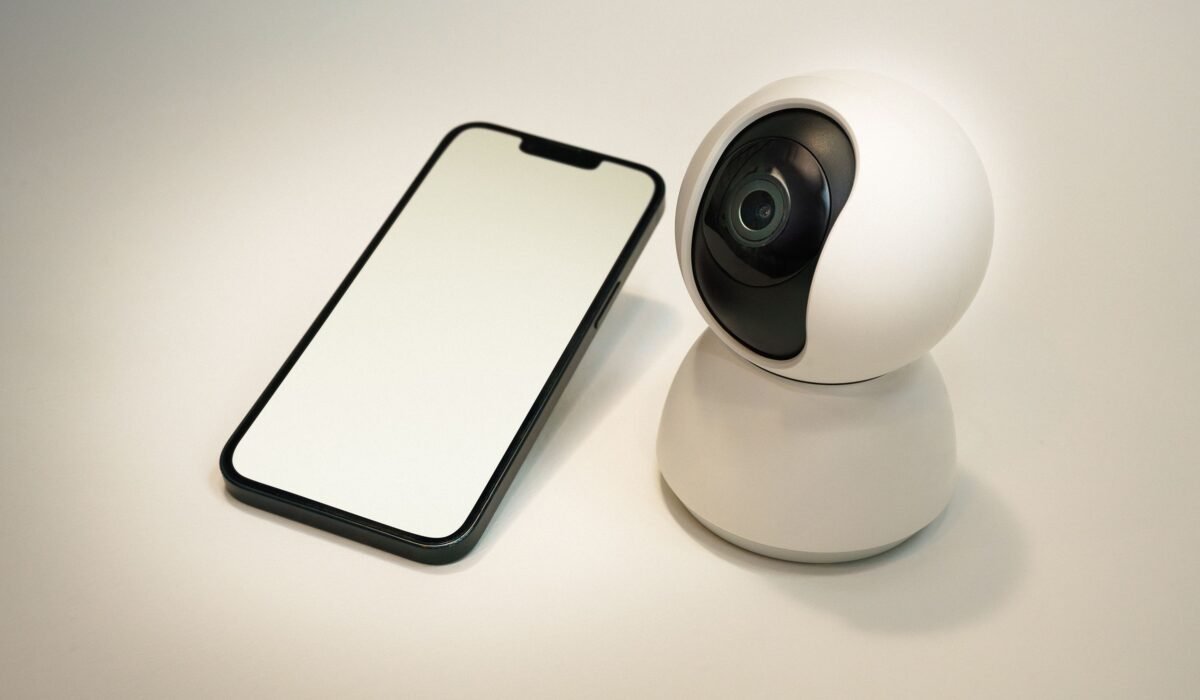
- AI-Powered Security Cameras: Systems like Google Nest cameras use AI to differentiate between people, animals, and packages, sending relevant alerts to users or caregivers. This reduces false alarms and provides critical information, enhancing safety for all occupants.
These examples highlight the practical impact of AI assistive technology, proving that **AI Smart Home Accessibility for All** is an achievable goal.
Investing in Accessible AI: Cost-Effectiveness and Future Growth
Investing in accessible AI for smart homes is increasingly cost-effective and poised for substantial future growth, making **AI Smart Home Accessibility for All** a more attainable goal than ever before. While initial setup costs can vary, the long-term benefits in terms of independence, safety, and reduced caregiving burdens often outweigh the investment. North America is projected to account for the largest share of the assistive technology market during the forecast period, with a share of 35.2% in 2026, according to Market Research Future (2026), indicating strong market demand.
The initial investment for AI-powered smart home devices might seem significant, but we should consider the broader economic picture. For older adults and individuals with disabilities, these technologies can enable “aging in place,” significantly reducing or delaying the need for costly institutional care. This shift provides both financial savings and a better quality of life.
Consider the cost-effectiveness over time:
- Reduced Caregiving Costs: Automated reminders, safety monitoring, and voice control can lessen the reliance on human assistance for routine tasks.
- Energy Efficiency: Smart thermostats and lighting systems, optimized by AI, can lead to substantial savings on utility bills over years.
- Enhanced Safety: Proactive alerts for hazards (e.g., falls, forgotten stove) can prevent accidents, potentially saving on medical expenses.
- Increased Independence: The intangible benefit of self-sufficiency greatly improves mental well-being and overall quality of life.
The market for AI in smart home technology is experiencing rapid expansion, with new, more affordable devices and integrated platforms constantly emerging. This competitive landscape drives down prices while increasing capabilities. AI powers 100% of next-generation home automation systems, making smart homes more predictive and personalized, according to Yenra (2026). This growth ensures that **AI Smart Home Accessibility for All** will become even more sophisticated and affordable in the coming years.
The Future of AI in Inclusive Living
The future of AI in inclusive living promises even more sophisticated, integrated, and personalized solutions, further solidifying **AI Smart Home Accessibility for All** as a cornerstone of modern independent living. We are moving towards a future where AI acts as an invisible enabler, anticipating needs before they arise and adapting environments in real-time. The global smart home market is projected to reach $311.22 billion by 2031, growing at a 13.65% CAGR, according to Mordor Intelligence (2026), reflecting immense potential.
Emerging trends point towards AI systems that are not only reactive but truly predictive and even proactive. Imagine an AI learning your sleep patterns and subtly adjusting bedroom temperature and lighting for optimal wakefulness, or an AI recognizing early signs of distress and alerting caregivers. Innovations like Samsung’s EdgeAware AI Home and LG’s AI Home Robot hint at this integrated future, where AI functions as a central, intelligent orchestrator of your home environment.
Key areas of future development include:
- Hyper-Personalization: AI will create unique profiles for each resident, offering highly tailored assistance based on individual biometric data, health conditions, and personal preferences.
- Emotion Recognition: Future AI might detect emotional states and adjust ambient settings or offer comforting interactions, providing emotional support.
- Enhanced Human-AI Interaction: Beyond voice, AI will understand gestures, facial expressions, and even subtle physiological cues, making interactions more natural and intuitive for diverse communication needs.
- Proactive Health Monitoring: Integrated sensors and AI will continuously monitor vital signs and activity levels, providing early warnings for health issues, as explored in AI Smart Home Health Monitoring.
- Seamless Integration with Smart Cities: Smart homes will increasingly connect with broader smart city infrastructures, enhancing accessibility beyond the home, such as guiding public transport or managing appointments.
“AI doesn’t get you 100% of the way. It gets you further, faster, but human expertise is required,” as quoted by Forbes (2026), reminds us that while AI is powerful, it works best in collaboration with human understanding and support. This continuous evolution will ensure that **AI Smart Home Accessibility for All** remains at the forefront of inclusive technology.
Frequently Asked Questions
How does AI improve accessibility?
AI improves accessibility by enabling devices to understand and respond to diverse user needs through voice control, predictive learning, and adaptive automation. It transforms static environments into dynamic, supportive spaces that enhance independence for individuals with various impairments. The Assistive Technology Market is projected to grow at a 10.22% CAGR from 2025 to 2035, according to Market Research Future (2026), demonstrating its increasing impact. This means more personalized and intuitive assistance in daily life.
What is AI in smart home technology?
AI in smart home technology refers to systems that learn from user data and environmental factors to automate tasks, predict needs, and adapt settings intelligently. It moves beyond simple automation to create proactive, responsive home environments. AI powers 100% of next-generation home automation systems, making smart homes more predictive and personalized, according to Yenra (2026). This integration enables homes to become truly smart, assisting occupants seamlessly.
How can smart homes help people with disabilities?
Smart homes help people with disabilities by providing assistive technology that compensates for physical or cognitive limitations, fostering greater independence and safety. Features like voice control, automated lighting, and remote door locks reduce the need for physical interaction and manual dexterity. For example, Autoslide Automatic Door Systems can be activated via smart home integration, offering enhanced accessibility for wheelchair users. These technologies empower individuals to manage their living spaces with ease.
What are the benefits of smart homes for the elderly?
Smart homes offer numerous benefits for the elderly, including enhanced safety through fall detection and security monitoring, improved comfort via adaptive climate control, and increased independence through voice-activated assistance. These systems enable seniors to “age in place” by reducing reliance on constant manual effort. The home healthcare segment within the smart home market is expected to witness the highest CAGR of over 32% from 2025 to 2030, according to Market Research Future (2026), driven by the aging population. This allows seniors to maintain their quality of life in familiar surroundings.
What are examples of AI in smart homes?
Examples of AI in smart homes include voice assistants like Amazon Alexa and Google Assistant, smart thermostats such as Nest that learn preferences, and AI-powered security cameras that differentiate between people and pets. Other examples include Samsung Relumino for visually impaired TV viewers and LG ThinQ ON for voice-guided appliance control. These technologies collectively enhance **AI Smart Home Accessibility for All**.
As we’ve explored, **AI Smart Home Accessibility for All** is not merely a futuristic concept but a present-day reality, continually evolving to meet diverse needs. By embracing AI-powered solutions, we can create truly inclusive living environments that empower independence, enhance safety, and improve the quality of life for everyone. We encourage you to explore these innovative technologies and consider how they can transform your own living space or that of a loved one.