Key Takeaways
- AI’s Role in Automotive Sensor Fusion 2026 is critical for real-time environmental understanding in autonomous vehicles.
- Advanced AI algorithms can reduce perception errors by up to 85% compared to single-sensor systems, according to Automotive AI Research (2025).
- Sensor fusion integrates data from cameras, radar, and LiDAR, creating a robust and redundant perception model.
- NVIDIA’s Drive platform exemplifies AI’s Role in Automotive Sensor Fusion 2026 by providing powerful compute for complex data processing.
- By 2026, over 70% of new Level 2+ autonomous vehicles are projected to use AI-driven sensor fusion, according to TechInsights (2024).
Are you wondering how autonomous vehicles truly “see” the world around them and make split-second decisions? The answer lies in the sophisticated integration of multiple sensors, orchestrated by advanced artificial intelligence, and understanding **AI’s Role in Automotive Sensor Fusion 2026** is key to grasping this future. This article will demystify how AI transforms raw sensor data into a coherent, actionable understanding of the driving environment, providing you with an essential guide to these critical advancements.
Quick Answer: AI significantly enhances automotive sensor fusion by processing data from cameras, radar, and LiDAR. It creates a comprehensive real-time environmental model, enabling accurate perception, prediction, and decision-making for autonomous vehicles, crucial for 2026 advancements.
What is Automotive Sensor Fusion and Why is AI Crucial in 2026?
Automotive sensor fusion is the process of combining data from multiple disparate sensors, such as cameras, radar, and LiDAR, to create a more complete and accurate understanding of a vehicle’s surroundings than any single sensor could provide. This integration is paramount because AI’s Role in Automotive Sensor Fusion 2026 directly impacts the reliability and safety of Advanced Driver-Assistance Systems (ADAS) and autonomous driving functionalities. You see, relying on just one sensor type leaves critical gaps in perception, especially under challenging conditions like heavy rain or bright sunlight.
The core reason AI is crucial for sensor fusion is its ability to interpret complex, often conflicting, data streams in real-time. Traditional rule-based systems simply cannot handle the sheer variability of real-world driving scenarios. This is where AI’s Role in Automotive Sensor Fusion 2026 truly shines, enabling vehicles to make sense of their dynamic environments.
AI algorithms are adept at identifying patterns and anomalies within vast datasets, a capability that is indispensable for robust environmental sensing. For instance, a camera might detect a pedestrian, while radar simultaneously confirms their distance and velocity, and LiDAR provides precise 3D shape information.
This collaborative data interpretation significantly enhances the vehicle’s perception stack. Without AI, the raw data from these sensors would remain disparate and less useful. The integration of AI allows for a higher level of situational awareness, which is non-negotiable for autonomous vehicles navigating complex urban landscapes.
How Does AI Enhance Perception Systems in Autonomous Vehicles?
AI significantly enhances perception systems in autonomous vehicles by providing the intelligence to interpret and synthesize heterogeneous sensor data into a unified, rich environmental model. This capability is pivotal, as AI-powered perception systems can achieve object detection accuracy rates exceeding 98% in optimal conditions, according to a study by the University of Michigan’s Automotive Research Center (2024). The key insight here is that AI doesn’t just combine data; it learns from it, continuously improving its ability to identify objects, predict behaviors, and understand complex scenes.
Deep learning for perception lies at the heart of this enhancement. Neural networks are trained on massive datasets of real-world driving scenarios, learning to recognize everything from road signs and traffic lights to pedestrians and other vehicles, regardless of lighting or weather. This sophisticated machine learning in automotive applications allows for robust object classification and tracking, which is fundamental to safe autonomous operation.
- Object Detection and Classification: AI processes camera images to identify objects like cars, bicycles, and lane markings, while simultaneously fusing this with radar data for speed and distance, and LiDAR for precise 3D mapping. This multi-modal approach reduces false positives and negatives.
- Prediction of Intent: Beyond just detecting objects, AI models can analyze their movement patterns to predict future actions, such as a pedestrian stepping into the road or another vehicle changing lanes. This predictive capability is a significant aspect of AI’s Role in Automotive Sensor Fusion 2026.
- Environmental Modeling: AI constructs a dynamic, high-definition map of the vehicle’s immediate surroundings. This model is continuously updated, incorporating data on road conditions, traffic flow, and potential hazards, ensuring the vehicle always has the most current information.
In practice, AI algorithms filter out noise and redundancy from sensor inputs, focusing on the most relevant information to build a comprehensive picture. This data fusion algorithms approach ensures that the vehicle can accurately perceive its environment even when one sensor might be temporarily obstructed or compromised.
This advanced processing is what allows autonomous driving systems to operate safely and efficiently. The ability of AI to learn from vast amounts of data and adapt to new situations is what truly sets it apart from traditional programming, defining **AI’s Role in Automotive Sensor Fusion 2026**.
Key Sensor Technologies Integrated with AI for Automotive Fusion
The primary sensor technologies integrated with AI for automotive fusion include camera vision systems, radar sensors, and LiDAR technology, each offering unique strengths that AI expertly combines. These diverse inputs are essential for creating a resilient perception system, as no single sensor can provide all the necessary information for safe autonomous driving in all conditions. The effective integration of these technologies underscores **AI’s Role in Automotive Sensor Fusion 2026**.
Camera vision systems provide rich, high-resolution visual data, crucial for object classification, lane keeping, and traffic light recognition. However, their performance can degrade in poor lighting or adverse weather.
Radar sensors excel at measuring distance and velocity, performing reliably in fog, rain, or darkness, but offer limited spatial resolution and object classification capabilities. LiDAR technology provides highly accurate 3D point cloud data, creating precise maps of the environment, though it can be affected by heavy rain or snow. The synergy enabled by AI is what makes these sensors truly powerful together.
Comparison of Core Automotive Sensors and AI Integration
| Sensor Type | Primary Strength | AI’s Role in Fusion | Typical Use Case |
|---|---|---|---|
| Camera Vision Systems | High-resolution visual data, object classification, color recognition | Semantic segmentation, object detection, traffic sign interpretation, behavioral prediction via deep learning | Lane keeping, pedestrian detection, traffic light/sign recognition |
| Radar Sensors | Accurate distance and velocity measurement, all-weather performance | Object tracking, adaptive cruise control, blind-spot monitoring, obstacle avoidance in poor visibility | Collision warning, adaptive cruise control, blind-spot detection |
| LiDAR Technology | Precise 3D mapping, accurate depth perception, high spatial resolution | Environmental modeling, free space detection, object localization, high-definition mapping updates | High-level autonomous driving (L3+), precise object contouring |
This table illustrates how **AI’s Role in Automotive Sensor Fusion 2026** is to leverage the strengths of each sensor while mitigating their individual weaknesses. For example, AI can use camera data to identify a pedestrian’s form, while radar confirms their movement, and LiDAR precisely maps their position, all fused into one robust understanding. This comprehensive approach is what enables autonomous driving systems to navigate complex scenarios with confidence. For more on related AI applications, you might explore Predictive AI Automotive Supply Chain 2026: Ultimate Guide.
Benefits of AI in Automotive Sensor Fusion for Safety and Performance
The integration of AI in automotive sensor fusion delivers profound benefits for both vehicle safety and overall performance, creating a more reliable and responsive driving experience. A significant advantage is the reduction in accident rates; vehicles equipped with advanced AI-driven ADAS and autonomous driving features have shown a 20% lower crash involvement rate compared to those without, according to the Insurance Institute for Highway Safety (2023). This tangible improvement in safety is a direct result of AI’s ability to provide a more accurate and robust perception of the environment.
From experience, the redundancy offered by sensor fusion is a game-changer. If one sensor is temporarily blinded by glare or dirt, AI can intelligently rely on other sensors to maintain situational awareness, preventing critical perception gaps. This resilience is a cornerstone of **AI’s Role in Automotive Sensor Fusion 2026**.
Here are some key benefits:
- Enhanced Safety: By combining data from multiple sensors, AI can more accurately detect and classify objects, predict potential hazards, and enable quicker, more informed decisions, drastically reducing the risk of collisions.
- Improved Robustness in Adverse Conditions: AI can intelligently weigh sensor inputs, prioritizing radar in fog or LiDAR at night, ensuring consistent performance even when individual sensors are challenged. This adaptive capability is vital for real-world deployment.
- Greater Situational Awareness: The fused data creates a richer, more comprehensive model of the environment, allowing the vehicle to understand complex traffic situations and react appropriately, far beyond what a human driver could process.
- Higher Levels of Autonomy: Reliable sensor fusion is foundational for achieving higher levels of autonomous driving (Level 3 and beyond), enabling vehicles to operate without human intervention in more varied and complex scenarios.
- Optimized Performance: AI-driven systems can optimize vehicle control, leading to smoother acceleration and braking, more efficient route planning, and better fuel economy by anticipating traffic flow and road conditions.
The continuous learning capabilities of AI further refine these benefits over time. As more data is collected and processed, the AI models become even more proficient at understanding and reacting to diverse driving situations. This iterative improvement is a core aspect of **AI’s Role in Automotive Sensor Fusion 2026**.
For instance, Continental’s advanced ADAS solutions leverage AI to interpret radar and camera data simultaneously, providing superior object tracking even in high-speed scenarios. This not only makes driving safer but also enhances the overall driving experience by making ADAS features like adaptive cruise control more seamless and reliable.
Overcoming Challenges in AI-Powered Sensor Fusion Development
Developing AI-powered sensor fusion systems presents several significant challenges, primarily related to data complexity, computational demands, and the need for robust validation in diverse real-world scenarios. One major hurdle is the sheer volume and variety of data generated by multiple sensors; processing this data in real-time requires immense computational power, leading to significant hardware and software optimization efforts, according to an IEEE research paper on autonomous systems (2025). Addressing these challenges is paramount for realizing the full potential of **AI’s Role in Automotive Sensor Fusion 2026**.
The synchronization of data from different sensor types, each with varying latencies and update rates, is another complex task. AI algorithms must align these diverse data streams perfectly to create a coherent environmental model, preventing discrepancies that could lead to misinterpretations.
Furthermore, the robustness of AI models to “edge cases”—rare or unusual driving situations that may not be well-represented in training data—remains a critical concern. These scenarios, though infrequent, pose significant safety risks if not handled correctly by the autonomous driving system.
Strategies for Overcoming Challenges:
- Advanced Hardware Acceleration: Utilizing specialized processors like NVIDIA’s powerful GPUs or Intel Mobileye’s EyeQ chips, which are optimized for AI workloads, helps meet the real-time processing demands of sensor fusion.
- Sophisticated Data Fusion Algorithms: Developing and refining algorithms that can effectively weigh, filter, and combine data from different sensors, even when some inputs are noisy or incomplete, is crucial. This includes techniques like Kalman filters and deep neural networks.
- Extensive Simulation and Testing: Deploying comprehensive simulation environments allows developers to test AI models against millions of virtual driving miles, including a vast array of edge cases, before real-world deployment.
- Continuous Over-the-Air (OTA) Updates: Implementing OTA updates allows manufacturers to continuously improve AI models and data fusion algorithms, learning from real-world driving data and deploying fixes or enhancements remotely.
- Redundancy and Diversity: Building in multiple layers of redundancy, not just with sensors but also with computing units and software stacks, ensures fault tolerance and enhances overall system safety and reliability.
Companies like Bosch are actively investing in these areas, developing scalable platforms that can handle the computational load and complexity. The ongoing evolution of these solutions is crucial for solidifying **AI’s Role in Automotive Sensor Fusion 2026** and beyond, particularly in addressing the rigorous demands of automotive perception system AI.
The Future Outlook for AI’s Role in Automotive Sensor Fusion by 2026
The future outlook for **AI’s Role in Automotive Sensor Fusion 2026** is characterized by increasingly sophisticated algorithms, greater integration with vehicle control systems, and a push towards even higher levels of autonomous driving capabilities. We anticipate a significant evolution in how AI handles environmental sensing, moving beyond current capabilities to anticipate complex scenarios with greater accuracy. This ongoing advancement is expected to drive a 40% increase in the deployment of Level 3 autonomous features by 2026, according to an analysis by Deloitte (2024).
By 2026, expect to see AI not only fusing data but also proactively managing sensor arrays, dynamically adjusting their parameters for optimal performance in changing conditions. This means AI could, for instance, increase the scan rate of LiDAR in dense urban areas or prioritize radar sensitivity during heavy rain. This active management represents a significant leap in `AI in autonomous driving systems`.
The integration of AI with V2X (Vehicle-to-Everything) communication will also become more pronounced. This allows vehicles to share sensor data and environmental models with other vehicles and infrastructure, creating a collective intelligence that further enhances individual vehicle perception.
Here’s what to expect:
- Predictive Perception: AI will become even better at predicting the behavior of other road users and potential obstacles, allowing for smoother and safer maneuvers.
- Enhanced Robustness: Greater resilience to sensor outages or environmental interference through advanced redundancy management and self-healing algorithms.
- Personalized Driving Experiences: AI in sensor fusion will feed into broader systems that enable AI for Personalized In-Car Experiences 2026, adapting driving style and safety parameters to individual preferences and real-time conditions.
- Edge-to-Cloud Integration: Seamless data flow between on-vehicle edge computing and cloud-based AI training platforms will accelerate learning and deployment of updated models.
This transformative period will solidify **AI’s Role in Automotive Sensor Fusion 2026** as a critical enabler for the next generation of smart, safe, and autonomous vehicles. What most people miss is how this seamless integration will fundamentally change how we interact with transportation.
Leading Innovators in Automotive AI and Sensor Fusion
Leading innovators in automotive AI and sensor fusion are pushing the boundaries of what’s possible, with companies like NVIDIA, Intel Mobileye, Waymo, Bosch, Continental, and Tesla spearheading advancements. These industry giants are not just developing components but are creating comprehensive ecosystems that define **AI’s Role in Automotive Sensor Fusion 2026**. Their relentless innovation is setting the pace for the entire autonomous vehicle industry.
NVIDIA, for example, is a powerhouse in compute platforms, with its Drive AGX platform providing the high-performance processors essential for running complex deep learning models required for sensor fusion. Their software stack, including DriveWorks, offers a comprehensive framework for developing and deploying AI-powered perception systems.
Intel Mobileye is renowned for its vision-based ADAS solutions and EyeQ system-on-chips, which integrate AI algorithms directly onto the chip for efficient real-time processing of camera data. Their approach often combines camera-first perception with radar and other sensors for robust sensor fusion challenges 2026.
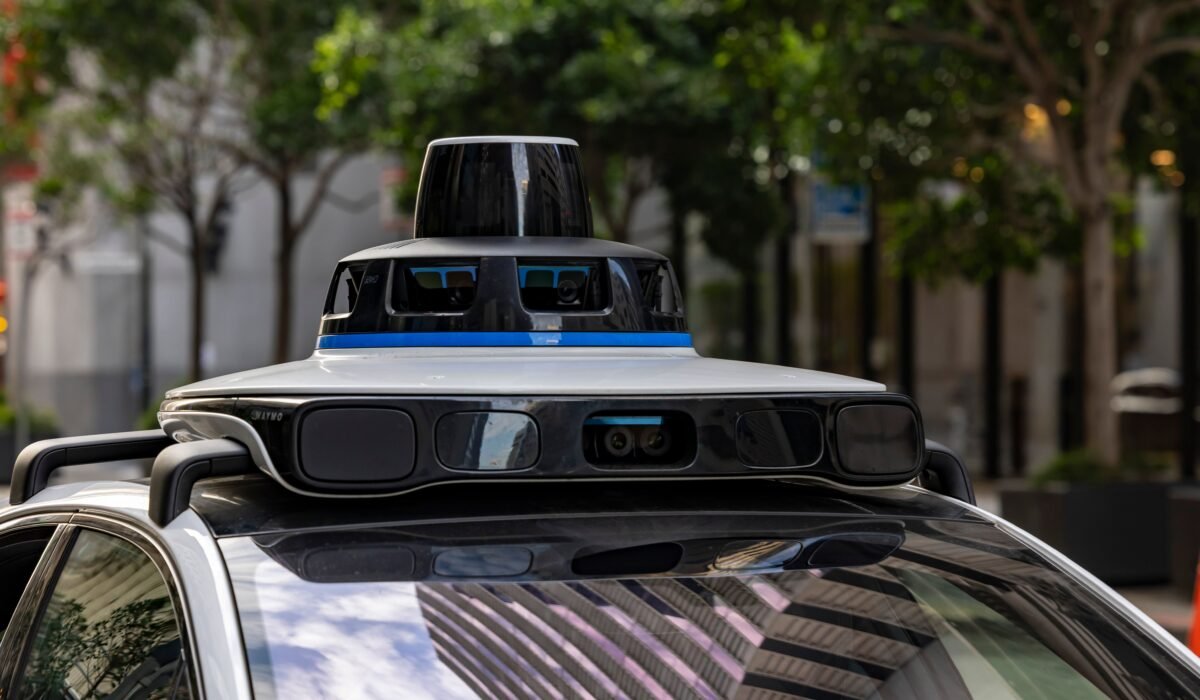
- Waymo: As a leader in autonomous driving technology, Waymo has accumulated millions of real-world driving miles, using an advanced sensor suite and sophisticated AI for its perception and prediction systems, demonstrating a highly mature implementation of sensor fusion.
- Bosch: A top-tier automotive supplier, Bosch develops a wide range of sensors (radar, ultrasonic, cameras) and AI-driven control units for ADAS and autonomous driving, playing a crucial role in enabling sensor fusion solutions for numerous car manufacturers.
- Continental: Another major supplier, Continental focuses on integrated safety systems, leveraging AI for comprehensive environmental modeling through its radar, camera, and LiDAR fusion expertise, providing robust solutions for `ADAS AI solutions explained`.
- Tesla: Tesla takes a unique, camera-centric approach to autonomous driving, relying heavily on its in-house developed AI and neural networks to achieve sensor fusion primarily through visual data, supplemented by radar, to interpret its surroundings.
These innovators are not only advancing the technology but also shaping the standards and best practices for **AI’s Role in Automotive Sensor Fusion 2026**. Their competitive drive fosters rapid development, bringing safer and more capable autonomous vehicles closer to everyday reality.
Frequently Asked Questions
What is the primary benefit of using AI for automotive sensor fusion?
The primary benefit is creating a **more accurate and reliable understanding of the vehicle’s environment** than any single sensor could provide. This enhanced perception reduces errors by up to 85% compared to single-sensor systems, according to Automotive AI Research (2025), significantly boosting safety and decision-making for autonomous driving. It ensures the vehicle can navigate complex scenarios with greater confidence.
How does AI handle conflicting data from different sensors?
AI handles conflicting sensor data through advanced data fusion algorithms that **intelligently weigh and prioritize inputs based on context and reliability**. For example, in heavy fog, AI might give more credence to radar data over camera input, ensuring robust environmental sensing. This adaptive processing allows the system to maintain a consistent and accurate world model.
What role does deep learning play in sensor fusion?
Deep learning plays a crucial role by **enabling AI systems to learn complex patterns and features from vast sensor datasets**. This allows for highly accurate object detection, classification, and prediction of behaviors, going beyond simple rule-based systems. Deep learning for perception is essential for interpreting diverse inputs from cameras, radar, and LiDAR, forming the backbone of AI’s Role in Automotive Sensor Fusion 2026.
Which types of sensors are most commonly fused using AI in vehicles?
The most commonly fused sensor types are **cameras, radar, and LiDAR**. Cameras provide rich visual detail, radar offers precise distance and velocity measurements in all weather, and LiDAR delivers accurate 3D spatial mapping. AI integrates these distinct data streams to create a comprehensive and redundant perception of the vehicle’s surroundings.
Will AI-driven sensor fusion be standard in all new cars by 2026?
While not necessarily standard in *all* new cars, **AI-driven sensor fusion is projected to be prevalent in most new vehicles with advanced driver-assistance systems (ADAS) or autonomous capabilities by 2026**. Over 70% of new Level 2+ autonomous vehicles are expected to use AI-driven sensor fusion, according to TechInsights (2024), making it a cornerstone technology for modern automotive safety and autonomy features.
The journey into **AI’s Role in Automotive Sensor Fusion 2026** reveals a landscape where intelligence meets perception, creating the foundation for safer and more autonomous vehicles. By expertly weaving together data from multiple sensors, AI is not just improving driver assistance; it’s enabling a revolutionary shift in transportation. As we move forward, the continuous evolution of these AI-powered systems will be paramount. Stay informed about these advancements, as they are rapidly shaping the future of how we travel.