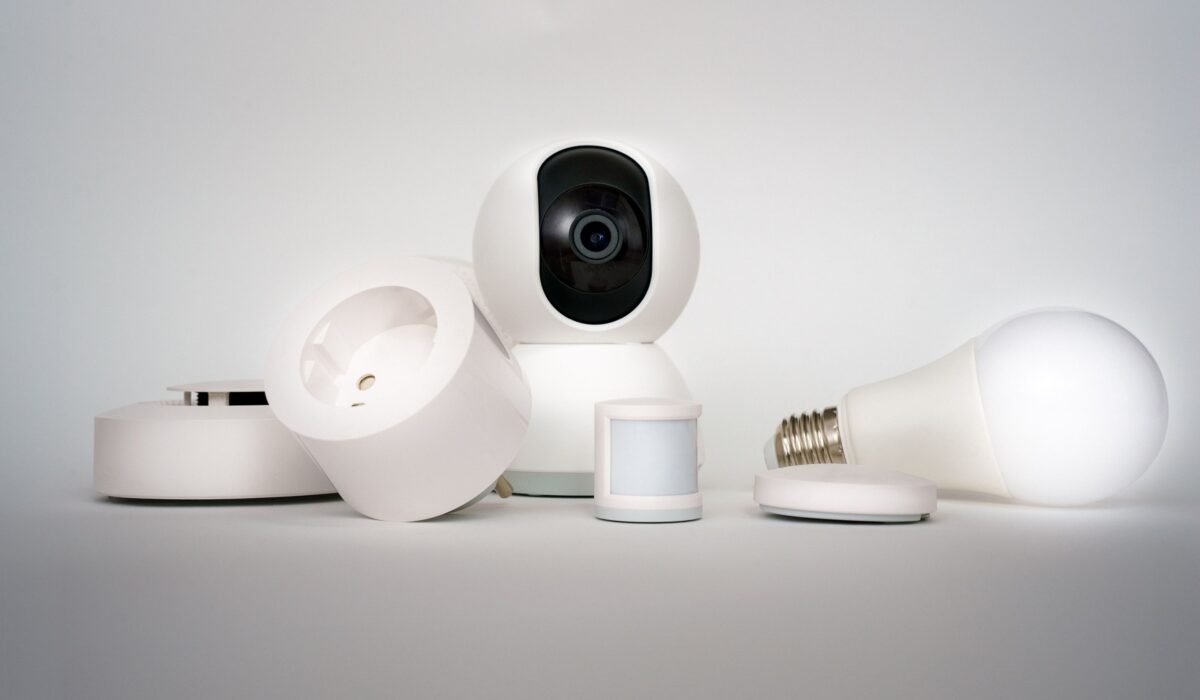
Feeling overwhelmed by smart home devices that don’t quite “get” you? Imagine a living space that intuitively understands your needs, adapting to your preferences without constant input – that’s the promise of **AI smart home personalization**. This article will reveal how machine learning transforms your home from a collection of automated gadgets into an intelligent co-pilot, anticipating your desires and making life genuinely easier.
What is AI in Smart Home Technology?
At its core, Artificial Intelligence (AI) in smart home technology refers to systems that can perceive, reason, learn, and act in ways that mimic human intelligence. It’s not just about turning lights on with a voice command; it’s about the system understanding *why* you want the lights on and *when*. These intelligent home systems leverage sophisticated algorithms to process data from various sensors and devices, moving beyond simple automation to genuine intelligence.
What most people miss is that AI gives your home a “brain,” allowing it to interpret complex situations and respond appropriately. Dave Waters, an AI thought leader, notes that “Every serious technology company now has an Artificial Intelligence team in place,” highlighting the massive investment in creating these intelligent systems for prediction analysis and learning-based recognition. This foundational technology is what makes true **AI smart home personalization** possible.
How Does AI Personalize Smart Homes with Machine Learning?
The magic of personalization in your living space largely stems from machine learning smart homes. Machine learning (ML), a subset of AI, enables devices to learn from data without explicit programming. Essentially, your smart home watches, listens (securely, of course), and learns your unique user habits over time.
Here’s how this intelligent learning process typically unfolds:
- Data Collection: AI-powered devices like smart thermostats, security cameras, and voice assistants gather data on your routines, preferences, and environmental conditions. This includes everything from temperature adjustments to occupancy patterns and even the time you typically brew coffee.
- Pattern Recognition: Machine learning algorithms analyze this vast dataset to identify recurring patterns and correlations. For instance, it might notice you always dim the lights and set the thermostat lower around 9 PM on weekdays.
- Predictive Automation: Based on these learned patterns, the system begins to anticipate your needs. This is where predictive automation comes in, adjusting your environment proactively before you even think to ask.
- Continuous Learning: The system doesn’t stop learning. It constantly refines its understanding of your preferences, adapting to changes in your routine or feedback you provide, making your home smarter every day.
This continuous feedback loop allows your smart home to evolve into a truly personalized living space, dynamically responding to your lifestyle rather than simply following static rules. It’s an example of machine learning applications in smart homes that go beyond basic commands.
Key Benefits of AI Smart Home Personalization
The advantages of a personalized AI smart home extend far beyond mere convenience, impacting comfort, security, and even your wallet. These systems are designed to enhance your daily life in meaningful ways, making your home an intelligent co-pilot.
Some of the most significant benefits include:
- Unparalleled Comfort: Your home learns your preferred lighting levels, ideal temperatures, and even your favorite music at specific times, creating an ambiance tailored precisely to you. This home wellness intelligence ensures your environment is always optimal.
- Enhanced Energy Efficiency: AI learns your occupancy patterns and optimizes heating, cooling, and lighting schedules to reduce waste. This smart home energy optimization can lead to significant savings, with smart appliances using AI to predict maintenance needs and save homeowners an average of $200 a year. You can dive deeper into this topic by exploring How AI Boosts Smart Home Energy Efficiency & Savings.
- Robust Security: AI-powered security systems can distinguish between family members and unfamiliar visitors, notifying you only when necessary. A 2025 Parks Associates report highlights that 40% of US households specifically value AI-powered smart home features that notify them when an unfamiliar person approaches their home, demonstrating a strong demand for this personalized security. Learn more with our AI-Powered Smart Home Security: Beginner’s Guide.
- Streamlined Daily Routines: From brewing your coffee the moment your alarm rings to preparing your home for your arrival after work, AI takes mundane tasks off your plate, freeing up your time and mental energy.
- Proactive Maintenance: Intelligent home systems can monitor appliance health and predict potential issues, arranging for service before a major breakdown occurs, saving you hassle and expense.
These benefits collectively transform a house into a truly responsive and supportive home, making personalized smart home systems a compelling choice for modern living.
Practical Examples of Personalized AI Smart Homes
Seeing is believing, and numerous real-world applications demonstrate how AI is already shaping our personalized living spaces. These examples illustrate the power of AI-powered devices in action.
Consider these impactful instances:
AI-Powered Thermostats and Lighting
Devices like the Nest Learning Thermostat and Ecobee are prime examples of AI smart home personalization. They learn your preferred temperatures at different times of day and automatically adjust based on occupancy, weather forecasts, and even your individual schedule. Similarly, smart lighting systems can adapt brightness and color temperature throughout the day to support your circadian rhythm, fostering better sleep and productivity.
Home Wellness Intelligence Platforms
Delos’s “DARWIN Home Wellness Intelligence Platform” is a leading innovator in this space. It uses sensors and machine learning to constantly monitor and adjust air quality, circadian lighting, and water filtration in real-time. This system doesn’t just automate; it proactively creates healthier indoor environments tailored to the occupants’ well-being.
Advanced Security and Monitoring
AI-powered security cameras, such as those integrated into Lennar Corporation’s AI-powered homes, can differentiate between pets, package deliveries, and potential intruders. This reduces false alarms and provides more relevant alerts, enhancing your peace of mind. The system learns who belongs and who doesn’t, refining its recognition capabilities over time.
Predictive Appliance Management
Modern smart appliances, from washing machines to refrigerators, now incorporate AI. They track performance metrics and use machine learning to predict potential problems weeks in advance. This means you might receive an alert about a filter needing replacement before it impacts performance, saving you from unexpected breakdowns and costly repairs. Appinventiv highlights that “The strongest use cases today come from real, day-to-day needs: stable energy loads, fewer false alarms, healthier indoor air, faster maintenance, and better comfort without constant user input.”
Mastering Your AI Smart Home: Customization and Control
The true power of AI smart home personalization lies not just in its intelligence, but in your ability to shape it. You are the conductor of this intelligent orchestra, and actively customizing smart home AI ensures it truly serves your unique needs. This isn’t about being a passive recipient of technology; it’s about empowerment.
Here’s how you can take charge:
Setting Initial Preferences and Routines
When first setting up your smart home ecosystem, take the time to input your basic preferences. Tell your smart thermostat your ideal temperature range, set your preferred lighting scenes, and define your typical morning and evening routines. This initial data provides a strong foundation for the AI to build upon. Think of it as teaching your intelligent co-pilot the basic rules of the road.
Providing Feedback and Refinement
Your AI smart home isn’t a mind-reader, but it learns best from your interactions. If your smart lights dim too early, manually adjust them. If your thermostat changes temperature at an inconvenient time, override it. These manual adjustments are crucial feedback for the machine learning algorithms, helping them refine their understanding of your user habits. The more you interact, the smarter and more personalized your home becomes.
Leveraging Voice Assistants and Integrated Platforms
Voice assistants like Amazon Alexa or Google Assistant, especially when integrated into a central hub, offer intuitive ways to control and customize your AI. You can issue commands, ask for status updates, and even fine-tune settings through natural language. For a deeper dive into choosing the right voice assistant, check out Best AI Voice Assistant for Smart Home? Find Your Match. Many smart home ecosystems also provide robust mobile apps that allow for detailed customization, scheduling, and monitoring, giving you granular control over your personalized living space.
Addressing Privacy and Integration in Your AI Smart Home
As our homes become smarter, legitimate concerns around data privacy smart home solutions and seamless integration between AI-powered devices naturally arise. A truly effective personalized living space must prioritize user control and a cohesive experience.
Navigating Data Privacy
The collection of user habits is central to AI personalization, but it also raises questions about who has access to this data. The solution lies in understanding and utilizing robust privacy frameworks. Look for devices and platforms that offer:
- On-Device AI Processing: Many modern AI-powered devices now process data locally rather than sending everything to the cloud. This significantly enhances privacy by keeping sensitive information within your home network.
- Clear Data Policies: Reputable manufacturers provide transparent policies on what data is collected, how it’s used, and how long it’s stored. Always review these terms.
- User Control: The ability to review, delete, or opt-out of certain data collection is paramount. Ensure your smart home ecosystem empowers you with these controls.
The future of AI in home living prioritizes a balance between convenience and security, ensuring your data remains yours.
Seamless Smart Home Ecosystems
One of the biggest hurdles for many users is getting different smart home devices to work together. This is where the concept of smart home ecosystems and emerging standards become vital.
“The issue of interoperability between different smart home ecosystems is a known challenge.” – Winning Angle Research
To overcome this, consider:
- Unified Platforms: Choose a central hub or platform (like Apple HomeKit, Google Home, Amazon Alexa) that supports a wide range of devices and acts as the brain for your entire personalized living space.
- Emerging Standards: Keep an eye on initiatives like Matter, a new connectivity standard designed to enable smart home devices from different brands to work together seamlessly. This promises a more unified and less fragmented experience for AI home automation trends 2024 and beyond.
By proactively addressing these aspects, you can enjoy the full benefits of AI smart home personalization without compromising your digital well-being.
The Future of Personalized Living: Next-Gen AI Homes
The journey of AI smart home personalization is just beginning. As technology advances, the future of AI in home living promises even more intuitive, proactive, and deeply integrated experiences. We’re moving towards homes that don’t just react to us but genuinely anticipate our needs.
Hyper-Personalization and Predictive Automation
Imagine a home that knows you’re about to get sick based on subtle changes in your sleep patterns or voice, and proactively adjusts the humidifier and air purifier. This hyper-personalization, driven by increasingly sophisticated machine learning smart homes, will move beyond simple routines to truly understanding your physiological and emotional states. Andrew Ng, a co-founder of Coursera, famously stated, “Just as electricity transformed almost everything 100 years ago, today I actually have a hard time thinking of an industry that I don’t think AI (Artificial Intelligence) will transform in the next several years,” underscoring this transformative potential for our homes.
Contextual Awareness and Emotional Intelligence
Next-gen AI homes will possess enhanced contextual awareness, understanding not just *what* you’re doing, but *why*. They might discern your mood from your tone of voice or body language, adjusting ambient lighting or playing calming music to match. This level of emotional intelligence will create a truly empathetic and supportive personalized living space. We’ll see more sophisticated machine learning applications in smart homes that interpret complex human behaviors.
Seamless Integration with External Services
Your AI smart home will become an even more integral part of your life, seamlessly integrating with external services like healthcare providers, grocery delivery, and even your vehicle. Your car might pre-heat your home on your commute, or your home might automatically order groceries when supplies run low, all based on learned patterns and predictive automation. The global smart home market is projected to reach $311.22 billion by 2031 at a 13.65% CAGR, reflecting this massive growth in integrated, intelligent home systems. According to Statista, the revenue in the global artificial intelligence in smart homes technology market is projected to pass $250 billion by 2029, a significant jump from $174 billion in 2025. This shows the immense financial and technological investment in these intelligent home systems.
Frequently Asked Questions
How does AI personalize smart homes?
AI personalizes smart homes by using machine learning algorithms to analyze your user habits, preferences, and environmental data collected from various smart devices. It learns your routines and then uses predictive automation to proactively adjust settings like temperature, lighting, and security to match your anticipated needs without constant manual input. This creates a truly intelligent and responsive personalized living space.
What is AI in smart home technology?
AI in smart home technology refers to systems that can learn, reason, and adapt based on data, moving beyond simple programmed automation. It allows devices to understand complex patterns, make informed decisions, and anticipate user needs, transforming a house into a truly intelligent home that offers personalized experiences and greater efficiency. This is distinct from basic rule-based automation because the system continuously learns and improves.
What is an example of AI in smart homes?
A prime example of AI in smart homes is a smart thermostat like the Nest Learning Thermostat. It uses machine learning to learn your preferred temperatures and daily schedules, then automatically adjusts heating and cooling based on your presence, weather forecasts, and historical data, optimizing comfort and energy efficiency. Another example is AI-powered security cameras that can differentiate between family members and unfamiliar persons, reducing false alarms.
What are the benefits of AI in smart homes?
The benefits of AI in smart homes include enhanced comfort through tailored environments, significant energy efficiency from optimized usage patterns, improved security via intelligent threat detection, and streamlined daily routines through proactive automation. These personalized living space features offer convenience, peace of mind, and can even lead to cost savings, making your home more responsive and enjoyable. AI-powered devices make your home a truly intelligent co-pilot.
The future of your living space is not just smart, but intelligent and deeply personal. Embrace the journey of AI smart home personalization to create a home that truly understands and supports you. Start by exploring AI-powered devices that offer clear customization options and strong privacy controls, gradually building your intelligent ecosystem.